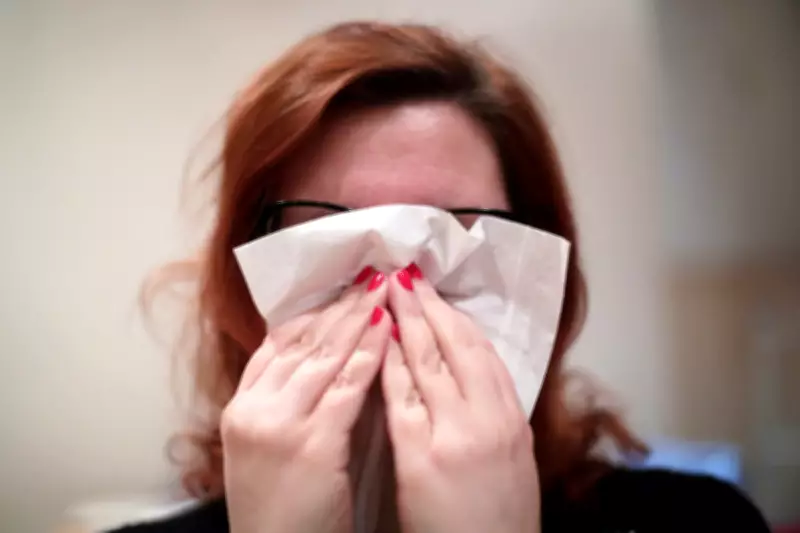
Millions of Americans are bracing for the spring allergy season, grappling with symptoms such as runny noses, itchy eyes, and persistent sneezing, primarily triggered by various pollens in the air. Climate change is exacerbating these issues, leading to longer and more severe allergy seasons, with experts noting a significant rise in pollen exposure that intensifies discomfort for sufferers nationwide.
Effective Treatments and Practical Steps
While seasonal allergies can be debilitating, effective treatments have advanced considerably. Experts advise practical measures to mitigate symptoms, including avoiding exposure to pollen during peak times, showering immediately after outdoor activities to remove allergens, and using saline rinses to clear nasal passages. These simple steps can provide substantial relief for many individuals.
Common Misuse of Nasal Sprays
Over-the-counter nasal sprays are highly effective for managing allergy symptoms, but allergists warn that most people use them incorrectly. A common mistake is angling the nozzle upwards, which can lead to irritation and reduced efficacy. Instead, experts recommend pointing the nozzle outwards, towards your ear, to ensure proper distribution of the medication and maximize relief.

Additional Treatment Options
In addition to nasal sprays, over-the-counter allergy pills are widely available and can be helpful for controlling symptoms. However, if allergies significantly impact daily life—such as interfering with sleep, work, or outdoor activities—consulting an allergist is strongly recommended for personalized treatment plans and potential prescription options.
Debunking Popular Remedies
Popular home remedies, like consuming local honey, have been debunked by experts as ineffective for treating seasonal allergies. While honey may offer some general health benefits, it does not contain sufficient pollen to build immunity or alleviate symptoms, making it an unreliable solution for allergy sufferers seeking relief.
Proactive Management Strategies
To navigate the extended allergy seasons driven by climate change, proactive management is key. This includes monitoring pollen forecasts, keeping windows closed during high-pollen days, and using air purifiers indoors. By combining these strategies with correct medication use, individuals can better control their symptoms and improve their quality of life during allergy season.