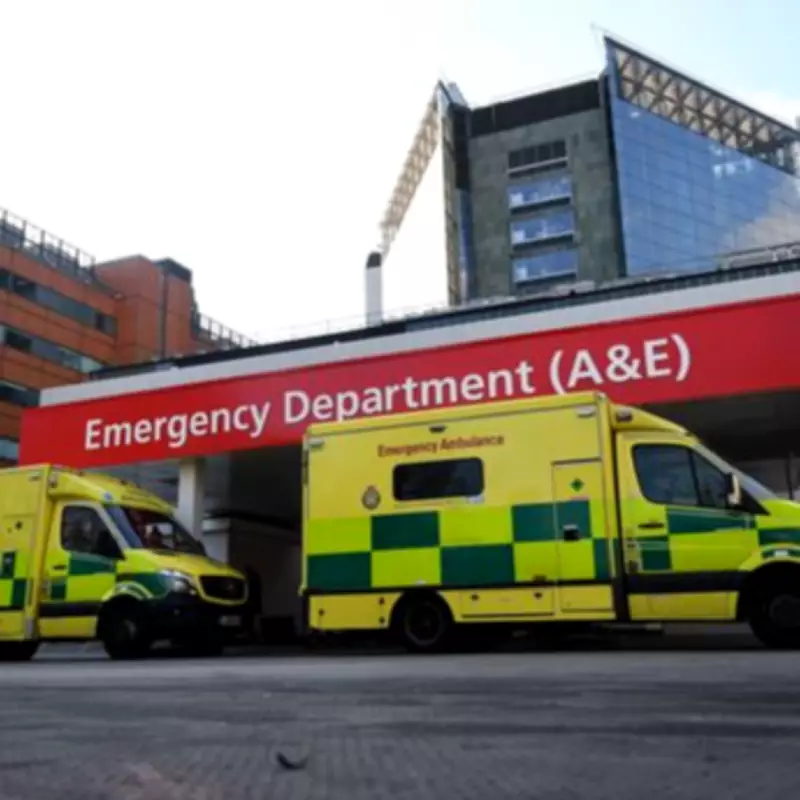
Paramedics and ambulance workers across England and Wales are confronting an alarming surge in violent incidents, with attacks reaching a record high according to recent reports. Last year, more than 22,500 ambulance staff reported being subjected to a range of aggressive behaviours, including kicking, punching, slapping, head-butting, spitting, verbal abuse, sexual assault, and violent attacks involving multiple weapons.
Regional Hotspots and Disturbing Statistics
The North East of England has emerged as one of the areas most severely affected by this troubling trend. The North East Ambulance Service (NEAS) has documented a sharp 47% increase in reported violence and aggression incidents over the past twelve months. This represents the highest number ever recorded by the service, averaging approximately 150 incidents each month.
Middlesbrough's Alarming Crime Rate
National crime figures reveal that 94 emergency workers, excluding police constables, were assaulted while responding to incidents on Teesside in the twelve months leading up to September 2025. Middlesbrough accounted for more than two-thirds of these attacks, with 66 assaults on workers including paramedics and firefighters.

This results in a crime rate of 44.5 assaults per 100,000 residents in Middlesbrough, making it the highest rate for this type of offence in England and Wales during 2025. The town is home to James Cook University Hospital, a regional trauma centre, and Cleveland Police's main custody suite, which sees individuals from outside Middlesbrough and even beyond Teesside brought into the area.
Frontline Experiences and Contributing Factors
One experienced ambulance worker shared their perspective with the Mirror, stating: "It is more verbal than physical but I have been assaulted on duty. Most of the time it is unexpected but you can try and read the signs. The attacks are mostly alcohol related."
Other emergency service workers have described the abhorrent abuse suffered by nurses and doctors, particularly in Accident and Emergency departments. The combination of alcohol-related incidents and high-pressure medical environments appears to be contributing significantly to the problem.
Organizational Responses and Protective Measures
Department chiefs across the region's emergency services have strongly condemned those who abuse and attack staff who come to work specifically to care for others and protect the public. Darren Green, head of operations at NEAS, emphasized: "Our staff come to work to care for others - they should be able to do this without being abused or attacked."
In response to the escalating violence, staff are being provided with body-worn cameras and vehicle CCTV systems. These measures serve both as deterrents and as tools to capture crucial evidence for potential prosecutions. Mr Green added: "They work in the most difficult conditions with patients who are often at their most vulnerable. If you do come into contact with any of our staff, please treat them with courtesy and respect."
Broader Context of Emergency Worker Safety
Cleveland Police figures indicate that offences against police officers and staff peaked at their highest level over the past three years in May 2024. However, there was a total of 762 offences reported between January 1, 2025, and December 31, representing a decrease of 120 offences (14%) compared to the 2024 period.
Despite this slight reduction in police-related incidents, the dramatic increase in violence against ambulance workers highlights a growing concern about the safety of all emergency service personnel. The combination of physical assaults, verbal abuse, and the psychological impact on frontline workers creates significant challenges for maintaining effective emergency response systems across the country.