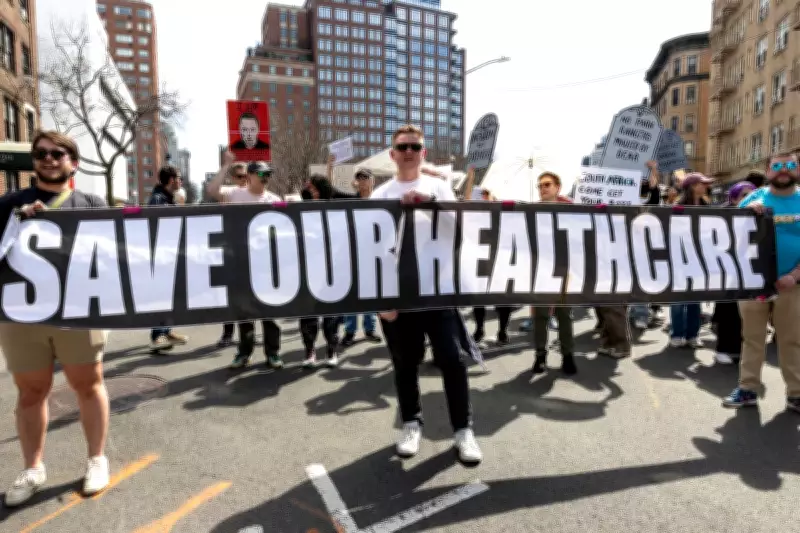
Poll Exposes Harsh Reality of Healthcare Costs in America
A new survey has uncovered the extreme measures Americans are taking to manage soaring healthcare expenses, with many resorting to rationing medication and postponing retirement. The findings highlight a deepening crisis in affordability that is impacting millions across the nation.
Financial Trade-Offs Become Commonplace
According to the poll released by the West Health-Gallup Center on Healthcare in America, nearly 30 percent of Americans with health insurance reported making at least one financial sacrifice to afford medical care. For those without insurance, the figure rises sharply to 62 percent. These trade-offs reflect the grim economic outlook shared by many citizens, as political debates over affordability intensify.
Specific Sacrifices Detailed in Survey
When asked about their actions to cover healthcare costs, 15 percent of respondents said they prolonged their current prescriptions, while another 15 percent borrowed money. Additional measures included skipping meals (11 percent), driving less (11 percent), and cutting back on utilities (9 percent). The survey, conducted from June through August 2025 with nearly 20,000 participants, focused on experiences from the previous year.

Retirement Plans Disrupted by Medical Expenses
In a separate survey of 5,660 Americans from October to December 2025, nearly one in ten adults revealed they had to delay retirement over the last four years due to healthcare costs. This disruption affects key life milestones, as most Americans typically enroll in Medicare at age 65 and can start receiving Social Security benefits as early as 62.
Broader Impacts on Life Decisions
Beyond retirement, healthcare expenses have forced Americans to postpone other significant plans. In the past four years, 29 percent delayed vacations, 26 percent put off surgical or medical treatments, 18 percent avoided changing jobs, and 14 percent halted buying new homes. These decisions underscore the pervasive influence of medical bills on everyday life.
Political Context and Economic Backdrop
Healthcare affordability has become a central issue in politics, exacerbated by the longest government shutdown in U.S. history last fall. Democrats refused to fund the government until enhanced subsidies for the Affordable Care Act were extended, but ultimately lost that battle, leading to the expiration of subsidies that helped millions access affordable insurance.
Public Opinion on Leadership and Economy
Amid these challenges, public disapproval of economic and healthcare policies remains high. A poll by The Economist/YouGov found that 58 percent of Americans disapprove of President Donald Trump's handling of jobs and the economy, with only 37 percent approving. Similarly, just 33 percent approve of his approach to healthcare, while 59 percent disapprove. Democrats have capitalized on affordability concerns, winning several high-profile races in November, as Trump attempts to convince voters ahead of midterm elections that his economic agenda is effective.
Inflation and Cost of Living Pressures
The Consumer Price Index for February showed a 2.4 percent increase from the previous year, holding steady but still above the Federal Reserve's 2 percent inflation target. This persistent rise in the cost of living compounds the financial strain on households, making healthcare expenses even more burdensome and driving the drastic measures revealed in the poll.