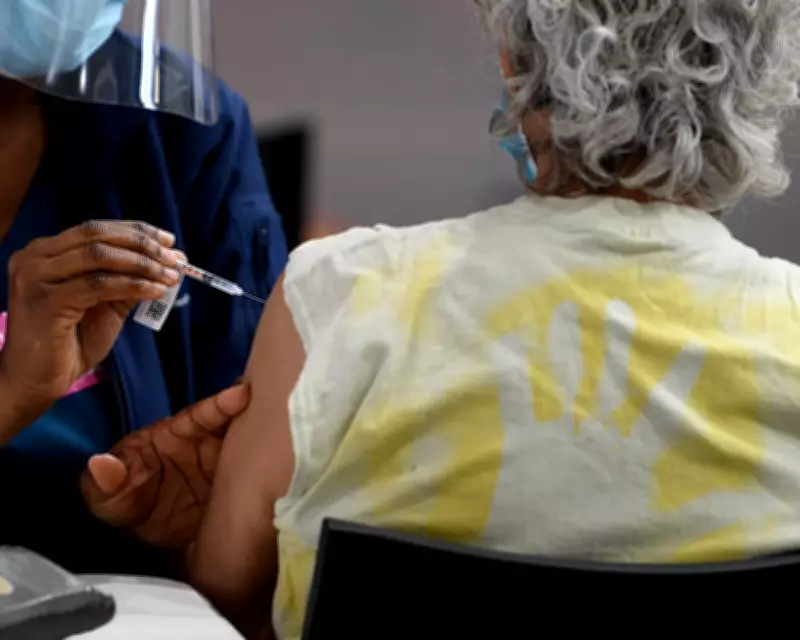
Australia's largest recorded diphtheria outbreak is spreading through remote Indigenous communities, with over 230 cases now confirmed across four states. The outbreak, which began in May 2025, has seen cases of cutaneous and respiratory diphtheria, leading to hospitalisations and at least one suspected death.
Delayed Response Raises Concerns
Dr John Boffa, chief medical officer with the Central Australian Aboriginal Congress, said he first learned of the outbreak in late March, several months after it began. By then, unlinked cases had been reported in Darwin, Alice Springs, and other regions, indicating widespread transmission. Boffa criticised the slow response, stating, "One of the lessons we've learned with communicable disease is you've got to go hard, go early."
The federal government announced a $7.2 million package on Thursday to address the outbreak, including funding for surge workforce, vaccines, and antibiotics. However, Boffa noted that the application for funding should have been made sooner.

Challenges in Remote Communities
Healthcare workers face significant challenges in controlling the outbreak, including limited vaccine supply, workforce shortages, and the need for door-to-door outreach. Brenda Garstone, CEO of Yura Yungi Medical Service in Halls Creek, Western Australia, said her small health service is stretched thin, with overcrowded housing and language barriers complicating public health messaging.
In Queensland's Yarrabah community, vaccination rates have dropped slightly post-COVID, prompting a public information campaign. Dr Jason King, director of clinical services at Gurriny Yealamucka Health Service, said, "Our rates have started to climb back up, but it's still a pretty uphill battle."
Vaccination and Education Efforts
Despite initial vaccine supply issues, Boffa said there is no major vaccine hesitancy. "Once people were informed, they were happy to get vaccinated," he said. Outreach teams have gone house to house, engaging community leaders to spread the message. Ongoing education campaigns about booster shots for adults are crucial, as vaccination rates for Indigenous five-year-olds are high but adult boosters are often missed.
Future Outlook
Boffa believes the outbreak can be controlled if boosted vaccination rates improve and contact tracing is effective. "We need to get better at this, particularly when it's in Aboriginal communities. The community-controlled sector needs to be engaged right up front," he said.