Medical Misdiagnosis: Baby's 148 Fractures Initially Attributed to Abuse
A family from Idaho faced a harrowing ordeal when medical professionals suspected them of child abuse after their newborn daughter presented with multiple unexplained fractures. Kendra and Eric Larsen took their four-week-old baby, Hadley, to hospital, only to find themselves under investigation for potentially causing harm to their own child.
The Shocking Discovery of Multiple Fractures
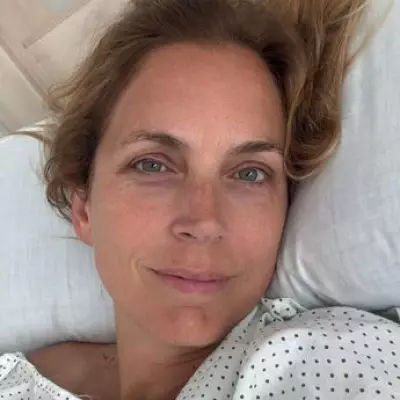
"When we first took Hadley to hospital, we truly had no idea what was wrong," explained Kendra Larsen, 44, from Idaho Falls. "She was only four weeks old. We thought maybe she had hip dysplasia or something related to her hip, so they started by doing X-rays of that area. That's when everything changed."
The initial X-rays revealed that Hadley actually had two fractures that were at different stages of healing. This discovery prompted doctors to order a full skeletal survey, which involves X-raying the entire body. The comprehensive examination uncovered two additional fractures, bringing the total to four unexplained breaks in their tiny infant's body.

Suspicion Turns Toward Parents
The medical team's concern escalated dramatically when they began to suspect the parents might be responsible for the injuries. Kendra recalled the devastating moment when a medic told them he needed to rule out whether they had caused brain damage to their child.
"Hearing those words as a parent is something I will never forget," said Kendra. "We had gone to the hospital scared and desperate for help for our baby, and in an instant the focus shifted away from Hadley and onto us - as if we might have been the ones who hurt her."
The situation intensified when doctors admitted Hadley to the hospital for her safety, effectively separating the parents from their newborn while investigations continued. This created an incredibly difficult emotional landscape for the family, who were simultaneously trying to process their daughter's medical crisis while facing suspicion from medical authorities.
The Correct Diagnosis: Osteogenesis Imperfecta
Fortunately, Hadley had a pediatrician familiar with rare bone conditions who intervened. He contacted the hospital and expressed his belief that this was not a case of child abuse, but rather a manifestation of Osteogenesis Imperfecta (OI), commonly known as brittle bone disease.
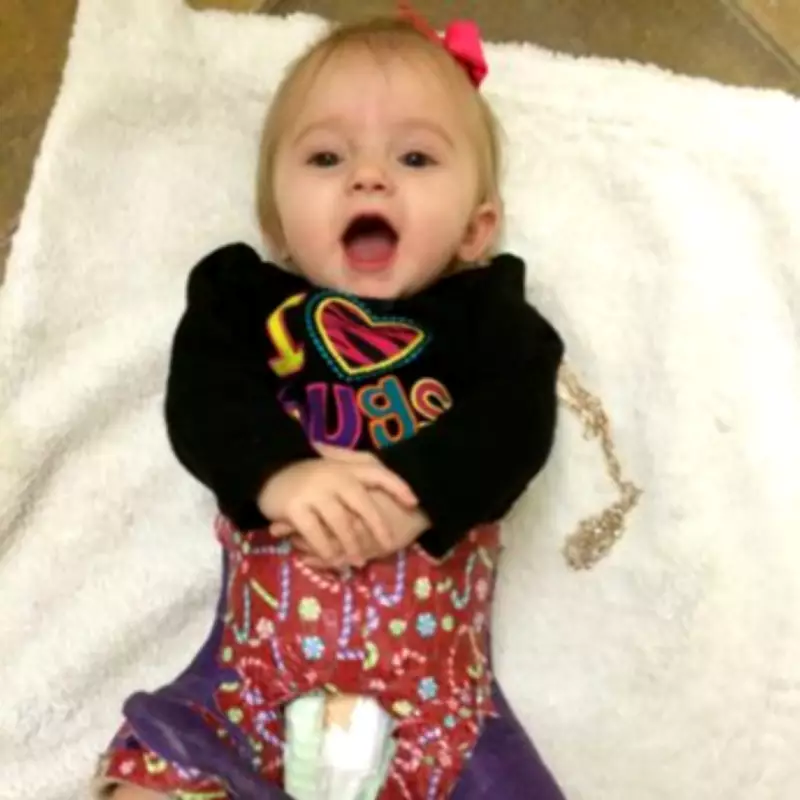
OI is a genetic disorder that prevents the body from producing sufficient collagen to maintain bone strength. This condition makes bones exceptionally fragile and prone to fractures, sometimes with minimal or no apparent trauma. In Hadley's case, the condition would eventually result in 148 separate fractures throughout her young life.
The Long Road to Confirmation
Despite the pediatrician's intervention, the family still had to undergo a formal investigation process to prove they had not harmed their child. This occurred while they were caring for their fragile four-week-old infant.
"It took about four months for the blood work and testing to confirm the diagnosis," Kendra explained. "Those months felt incredibly long and heavy. Every day, we were caring for our baby while also carrying the weight of being suspected of something we would never do."
When the official diagnosis finally arrived, it brought mixed emotions. While there was relief at having an explanation, there was also sadness as the family came to understand the serious nature of OI and the lifelong challenges their daughter would face.
Life After Diagnosis
Today, Hadley is 13 years old and has developed remarkable resilience despite her condition. Her mother reflects on how the experience has shaped their lives and perspectives.
"Looking back, it was one of the hardest chapters of our lives," Kendra said. "But it also showed us how important awareness is. When rare conditions like OI aren't immediately recognised, families can find themselves in incredibly painful and isolating situations."
She added: "Today, when I look at Hadley, her strength, her determination, the way she shows up with light and joy even after everything she has been through, I'm reminded that her story is so much bigger than those early moments of fear."

The family's experience highlights the critical importance of medical awareness regarding rare conditions and the profound impact that misdiagnosis can have on families already facing medical crises with their children.