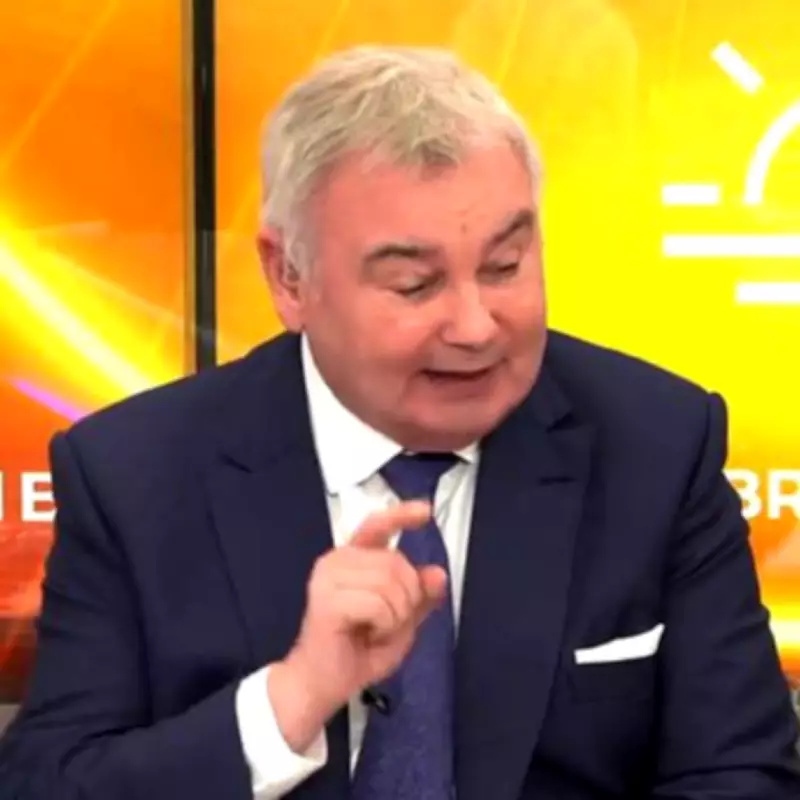
BBC Doctor Issues Critical Health Warning Following Eamonn Holmes Stroke
In the wake of broadcaster Eamonn Holmes suffering a stroke, a prominent BBC doctor has issued an urgent health alert targeting all individuals over the age of 35. Dr Mark Porter, a familiar face from The One Show and Radio 4's Inside Health, has highlighted a concerning trend of increasing stroke cases among younger demographics, urging proactive monitoring of vital health metrics.
The Alarming Rise of Strokes in Younger Adults
Dr Porter expressed his concern after learning of 66-year-old GB News presenter Eamonn Holmes' recent stroke, which required hospitalisation. Holmes, known for his roles on GMTV and Sky News' Sunrise, is reportedly now sitting up in bed during his recovery. Dr Porter noted that while 66 may seem relatively young for a stroke, it is becoming less unusual. He pointed to a significant shift in stroke epidemiology, with incidents rising in middle-aged populations while declining among older adults.
Supporting data from the Oxford Vascular Study, which tracked nearly 100,000 adults in Oxfordshire over twenty years, reveals a stark 67 percent increase in stroke incidence among adults under 55. Conversely, there was a 15 percent decrease in strokes for those over 55 during the same period. Further statistics from the Sentinel Stroke National Audit Programme indicate that one in six strokes in England, Wales, and Northern Ireland now occur in people under 60.

Understanding Stroke Mechanisms and Risks
A stroke occurs when the brain's blood supply is disrupted, most commonly due to a blockage in the arteries (ischaemic stroke) or, less frequently, from a burst or leaking blood vessel (haemorrhagic stroke). Dr Porter emphasised the severe consequences, noting that approximately one in seven stroke patients in the UK die in hospital, with many survivors facing long-term disabilities.
The doctor identified several potential factors driving the increase in younger stroke victims:
- Rising obesity rates, affecting about two-thirds of UK adults, leading to complications like high blood pressure and type 2 diabetes.
- Undetected risk factors in younger individuals, who are less likely to undergo regular monitoring of blood pressure, glucose, and cholesterol compared to high-risk older groups.
Essential Health Monitoring for Prevention
Dr Porter's primary recommendation is for everyone over 35 to actively monitor their cholesterol and blood pressure. He specifically advised that a £20 blood pressure machine could be a lifesaving investment. His guidance includes:
- If readings are healthy (typically under 135/85), store the machine and recheck in 6-12 months.
- For borderline results, re-evaluate in 3-6 months.
- If readings are elevated, promptly consult a GP with the data.
Beyond diet, weight management, and avoiding smoking, Dr Porter stressed the importance of also tracking heart rate and blood glucose levels. He highlighted atrial fibrillation (AF) as a critical concern, a condition where the heart's chambers fall out of sync, significantly increasing stroke risk. AF is responsible for one in five strokes in the UK, often resulting in more severe outcomes.
The Silent Threat of Atrial Fibrillation
AF becomes more common from middle age, with a lifetime risk of about one in four for a typical 40-year-old. According to the National Institute for Health and Care Excellence, an estimated 1.5 million people in England have AF, with roughly one-third undiagnosed, leaving them vulnerable to early strokes. Symptoms like a fast, irregular heartbeat (over 100 beats per minute) or unexplained shortness of breath during exertion should prompt immediate medical attention.
Dr Porter explained that while an ECG is needed to confirm AF, many patients now discover potential issues through smart devices, such as blood pressure monitors or DIY heart trackers. Although not all alerts indicate AF, he urged the public to take such warnings seriously. Once diagnosed, AF can be managed with treatments like anticoagulants (e.g., apixaban) to reduce stroke risk effectively.

This call to action underscores the importance of early detection and lifestyle adjustments in combating the growing threat of strokes among younger adults, making simple, affordable monitoring tools a crucial part of preventive healthcare.