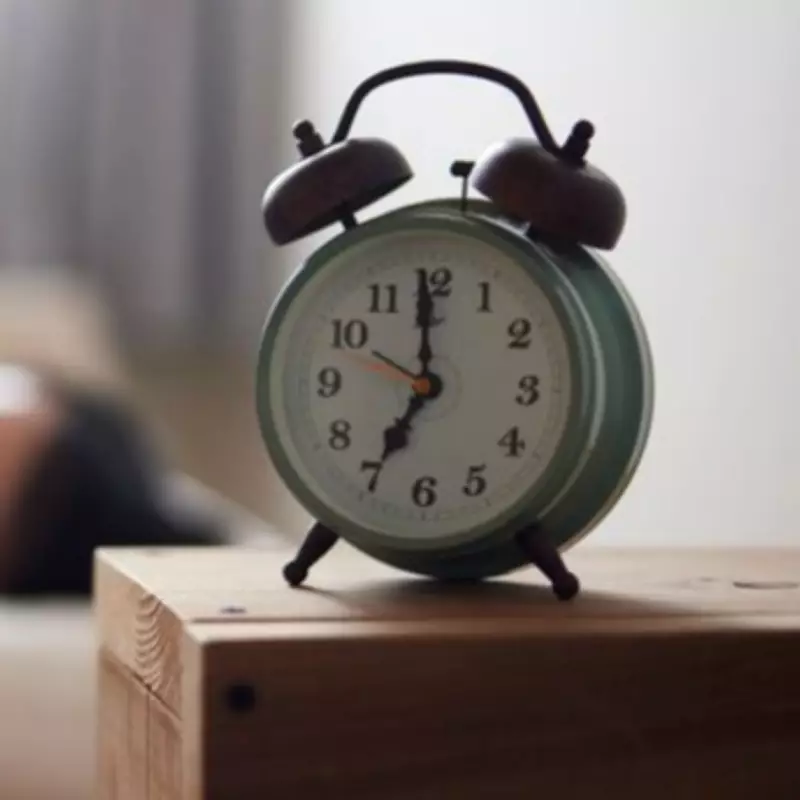
As the United Kingdom prepares to lose an hour of sleep this weekend with the clocks springing forward, many will experience the familiar grogginess akin to jet lag. However, a leading neuroscientist has shared a remarkably straightforward strategy to mitigate this disruption and help your internal body clock adapt seamlessly.
The Science Behind the Spring Forward Slump
Professor Rob Lucas, a Professor of Neuroscience at the University of Manchester and Director of the Centre for Biological Timing, emphasises that our bodies possess an inherent biological timekeeping system. This circadian rhythm must be regularly reset to align with external time, primarily through exposure to light. The shift to Daylight Saving Time (DST) creates darker mornings and lighter evenings, which confuses this internal clock, leading to symptoms often described as "social jet lag"—fatigue, difficulty concentrating, and sleep disturbances.
A Simple, Evidence-Based Solution
Professor Lucas advocates a simple yet powerful adjustment: maximising exposure to bright, natural daylight first thing in the morning. "If you want to start to get up earlier in the morning, the thing to do is to get up and expose yourself to natural daylight as much as possible first thing in the morning," he explained in a recent university TikTok clip. This morning light acts as the primary cue to reset your circadian rhythm, signalling to your body that it is time to be awake and alert.

He specifically recommends leveraging the weekend's flexibility. "The clock change happens over Saturday night for a reason," noted Professor Lucas. "Mostly, that's the time—Saturday/Sunday—when people have most flexibility over their schedule. Take advantage of that flexibility." By treating Sunday as the first day to actively respond to the new time through morning light exposure, you can significantly ease the transition before Monday arrives.
Practical Steps for a Smooth Transition
To effectively combat the clock change jet lag, experts advise a two-pronged approach. Firstly, ensure your bedroom remains dark at night to support quality sleep. Secondly, and most crucially, aim to spend approximately 15 minutes outdoors within the first 30 to 60 minutes of waking on Sunday morning and in the subsequent days. This practice helps overcome the "lost hour" by advancing your internal clock, improving daytime alertness and promoting easier sleep onset in the evening.
This advice follows other recent wellness tips, such as those from Doctor Amir Khan on returning to sleep after waking. Professor Lucas's guidance underscores that while feeling out of sorts post-clock change is normal, proactive steps can prevent it from impacting your health and productivity. By harnessing the power of morning sunlight, you can help your body's natural timing mechanism adjust efficiently, making the step into summer a more energised and balanced experience.