UK Launches Pioneering Bird Flu Vaccine Trial as Virus Spreads Globally
A groundbreaking clinical trial has been initiated in the United Kingdom to evaluate a novel mRNA vaccine targeting the A(H5N1) strain of bird flu, with thousands of participants expected to enroll. This first-of-its-kind study aims to bolster pandemic preparedness as the virus continues to evolve and spread among animal populations worldwide.
Mass Recruitment for Proactive Pandemic Defence
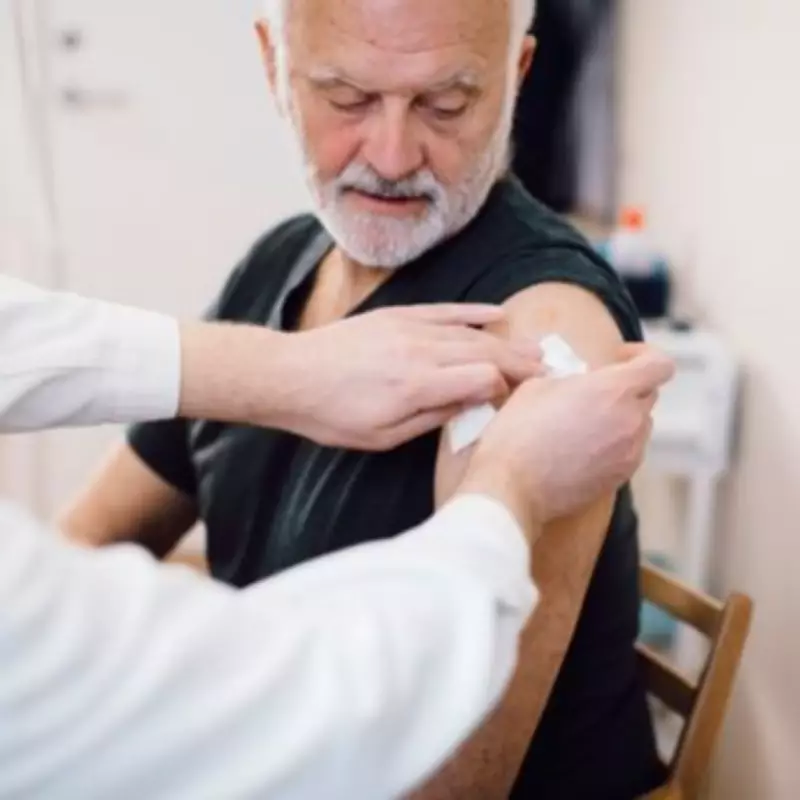
Approximately 4,000 individuals across the UK and the United States will take part in the phase 3 trial, with 3,000 participants based in the UK. Half of the British cohort will be aged over 65, reflecting a focus on vulnerable demographics. Recruitment efforts are specifically encouraging poultry farmers and those with close contact with birds to sign up, given their heightened exposure risk.
The trial will be conducted at 26 sites throughout England and Scotland, moving beyond traditional hospital settings into community centres to ensure diverse population representation. Participants will receive two doses of the mRNA-1018 vaccine, developed by Moderna, administered three weeks apart, with the study spanning seven months.

Expert Warnings on Evolving Viral Threat
Health experts have issued stark warnings regarding the A(H5N1) strain, which has been "evolving and spreading" in animals globally. While human-to-human transmission remains limited, authorities stress it must be treated as a "real possibility" given the virus's adaptive nature.
Dr Rebecca Clark, national co-ordinating investigator for the trial based at Layton Medical Centre in Blackpool, emphasised the proactive nature of the research. "This trial is our attempt to shield against that possibility, and any future pandemic that could emerge from it," she stated, highlighting the shift toward community-based research to strengthen public health responses.
mRNA Technology Offers Rapid Response Capabilities
The vaccine utilises mRNA technology similar to that employed in Covid-19 jabs, instructing the body to produce specific viral proteins to train the immune system. Early trials have shown the vaccine to be generally well tolerated, with most side-effects being mild to moderate and no safety concerns identified.
Dr Hiwot Hiruy, Moderna's senior director of clinical development, reported that the vaccine induced a strong immune response detectable just seven days after the first injection, with persistence over time. "mRNA vaccines can be produced faster and can be adjusted to strains rapidly," she noted, positioning this as an additional tool in pandemic preparedness alongside existing stockpiles of traditional vaccines.
Global Context and Historical Perspective
The A(H5N1) bird flu viruses first emerged in southern China in 1996, with human infections recorded from 1997 onward. Since 2024, there have been 116 confirmed human cases worldwide, predominantly linked to close contact with infected animals. The virus has affected birds globally and caused outbreaks in mink, marine mammals, and recently dairy cows in the US, with several human cases among farm workers.
Dr Richard Pebody, director of epidemic and emerging infections at the UK Health Security Agency, underscored the significance of the trial. "A flu pandemic is the most likely future pandemic," he asserted, while noting the current risk to humans remains low. The UKHSA continues to monitor data vigilantly for signs of adaptation enabling person-to-person spread.
This initiative follows the UK government's contract agreement in late 2024 for over five million doses of an H5 influenza vaccine, though that stockpile relies on more traditional technology. The new mRNA approach represents a strategic enhancement to the nation's pandemic defence arsenal, aiming to provide swifter, more adaptable protection against emerging viral threats.