BMA Accused of Hypocrisy in Pay Dispute with Staff and Doctors
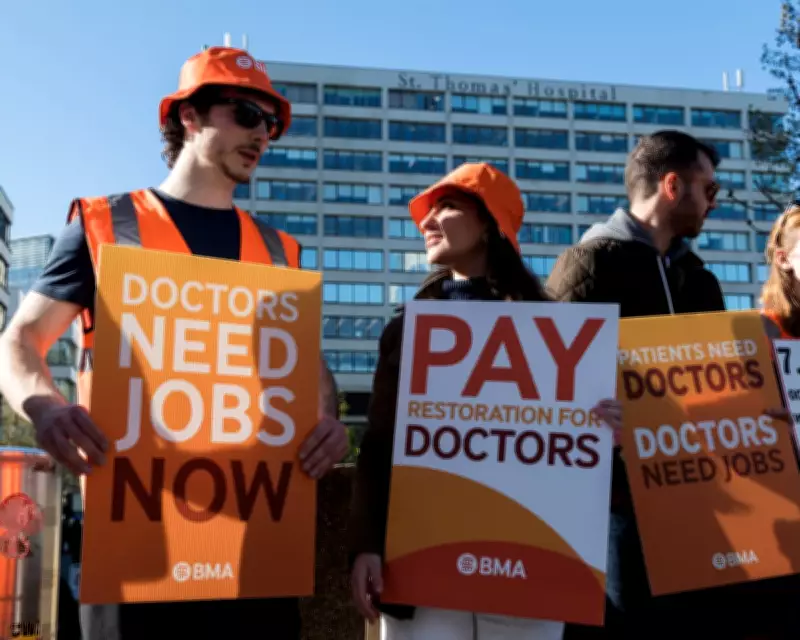
The British Medical Association (BMA), the union representing doctors, has been accused of the "height of hypocrisy" for offering its own staff a below-inflation pay rise of 2.75% while demanding a 26% increase for resident doctors. This controversy unfolds as tens of thousands of medics in England stage a six-day strike, their 15th industrial action since March 2023, in a campaign for "full pay restoration." Simultaneously, hundreds of BMA staff have walked out in protest over their own pay offer.
Pay Disparity Sparks Outrage
The BMA rejected a government offer that would have given resident doctors an average pay rise of 4.9% this year, nearly double the increase it is offering its own employees. Donna Thomas, a regional organiser for GMB, which represents BMA staff, highlighted the inconsistency, stating, "The BMA is asking the government for pay restoration for their doctor members but have failed to restore the pay of their own staff, who have seen their wages eroded nearly 17%." The affected BMA staff include admin workers, policy experts, communication officers, IT specialists, and negotiators who support the resident doctors committee in its dispute with the government.
Government Criticism and Union Response
Health Secretary Wes Streeting condemned the BMA's stance, noting that the rejected offer would have delivered an average pay boost of 35.2% over four years for doctors. He said, "The BMA is offering their own staff 2.75% on affordability grounds while rejecting a 4.9% offer because that's all the government can afford. This is the height of hypocrisy." Streeting added that the strikes are costing the NHS £300 million and that the government has "bent over backwards" for resident doctors, but the union's demands remain unmet.

Dr. Jack Fletcher, chair of the resident doctors committee, expressed regret over the strikes but defended the action, saying doctors "feel like we had no choice" after the government declined opportunities to avoid the walkouts. He criticised the use of doctors as "political pawns" amid ongoing NHS challenges like corridor care and high waiting lists.
Impact on NHS and Public Opinion
The strike has led to cancelled treatments and appointments, with NHS colleagues drafted in to provide cover. A YouGov poll of 4,385 British adults revealed that 55% oppose the resident doctor strikes, while 37% support them. On a picket line at Bristol Royal Infirmary, Dr. Sam Taylor-Smith acknowledged public frustration but emphasised that inadequate staffing forces doctors to apologise for disruptions "365 days a year." He called for more meaningful engagement from the government, despite seeing "positive movement."
The BMA has cited budgetary pressures as the reason for its limited pay offer to staff, stating it cannot afford more. However, this explanation has drawn sharp criticism given the union's aggressive demands for taxpayer-funded increases for doctors. The strike in England is set to continue until 7am on Monday, with health leaders urging patients not to delay seeking necessary care.