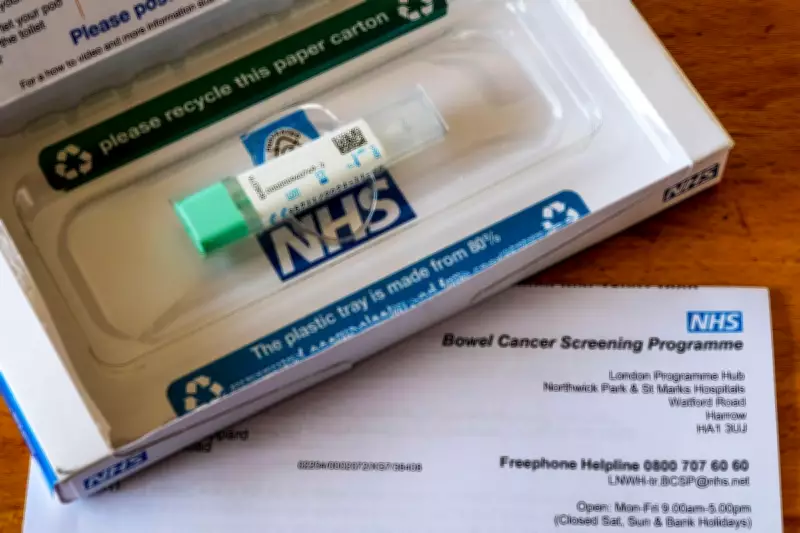
Understanding Bowel Cancer Screening: A Vital Health Check
Bowel cancer remains a significant health concern in the UK, but it is highly treatable and curable when diagnosed early. Despite this, many eligible individuals overlook a crucial screening tool: the faecal immunochemical test (FIT).
Current Screening Uptake and Regional Disparities
Recent data analysed by Bowel Cancer UK reveals that nearly a third of eligible people in England are not completing their bowel cancer screening tests. The national average uptake stands at 71 per cent, meaning 29 per cent miss out on this potentially life-saving opportunity.
Regional variations are stark, with NHS Devon ICB achieving the highest participation rate at 76 per cent, while NHS North West London ICB records the lowest at just 56 per cent. This disparity highlights the need for increased awareness and accessibility across the country.

Eligibility and the Screening Process
The NHS bowel cancer screening programme automatically sends FIT kits by post every two years to individuals aged 50 to 74 in England, Scotland, and Wales. In Northern Ireland, the starting age is currently 60, though campaigns have successfully lowered it elsewhere based on evidence of benefits from age 50.
After age 74, kits are not sent automatically, but individuals can request one every two years if they wish to continue screening. If you believe you are due a test but have not received one, contact your local screening hub or find the number online to request a kit.
How to Perform the FIT Test
The FIT test is designed to be straightforward and user-friendly. Each kit includes a tube with a screw cap and a stick featuring a small scoop. To complete the test, catch a stool sample before it touches toilet water, using a container or toilet paper. Scoop a small amount onto the stick, screw it back into the tube, place it in the provided box, and post it for analysis.
Results typically arrive within two weeks via letter. If you do not receive them in this timeframe, you can call the free bowel cancer screening helpline at 0800 707 6060. Results will either indicate no issues, with a follow-up in two years, or recommend further investigation, such as a colonoscopy.
Addressing Common Concerns and Benefits
Many people feel hesitant about bowel screening due to embarrassment or the at-home nature of the test. However, evidence shows that once individuals complete their first test, they are likely to continue with subsequent screenings, recognising its simplicity and importance.
The benefits of participation are profound. When bowel cancer is detected at stage one, over nine in ten people survive. In contrast, diagnosis at a late stage reduces survival rates to less than one in ten. Screening can identify traces of blood that may signal cancer before symptoms appear, significantly improving treatment outcomes.
For those under 50 with symptoms like blood in stool or changes in bowel habits, it is advisable to consult a GP and request a FIT kit. Early intervention remains key to effective management and recovery.