British IVF Scandal: Families Discover Children Are Not Biological Siblings
Several British families have been left heartbroken after uncovering DNA mix-ups during their IVF treatments abroad, with some parents learning their children share no biological connection. The scandal, centered on fertility clinics in northern Cyprus, has exposed alleged errors in using wrong sperm and egg donors, leading to devastating revelations for hopeful parents.
The Emotional Toll of IVF and the Search for Affordable Options
For thousands of couples across the UK, IVF represents a challenging journey marked by complex procedures, mental strain, and significant financial costs. Many travel overseas to access cheaper prices, advanced technology, and higher promised success rates. However, this pursuit has turned tragic for some, as reports emerge of clinics allegedly mishandling donor materials.
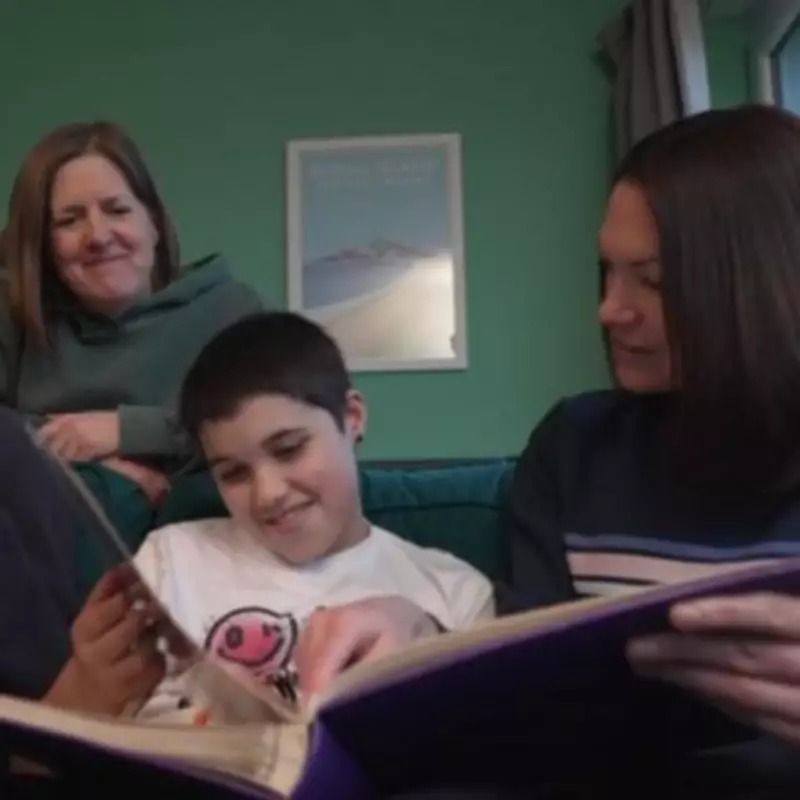
Among those affected are Laura and Beth, a couple who sought treatment over a decade ago at the Dogus IVF Centre in northern Cyprus. They carefully selected an anonymous sperm donor from Cryos International, a Danish sperm bank, to conceive children using their own eggs. The clinic assured them the same donor would be used for both pregnancies to ensure biological siblinghood.

Doubts Arise and DNA Tests Confirm Nightmare
After the birth of their second child, James, Laura and Beth noticed his physical traits—such as brown eyes and olive skin—differed from Beth's and the chosen donor's profile. This sparked suspicions that a mistake had occurred. Nearly ten years later, DNA testing revealed a shocking truth: neither child was biologically related to the selected donor, and the children were not biologically related to each other.
The results have left the parents furious and filled with unanswered questions about donor identities and screening processes. Their treatment, including medication, travel, and accommodations, cost approximately £16,000. Worryingly, this case is not isolated; other British families treated in the region have reported similar mix-ups, with commercial DNA tests supporting their concerns.
Regulatory Gaps and Clinic Responses
Northern Cyprus has become a popular destination for UK patients due to lower costs and access to procedures not permitted in the UK. However, the region operates outside European Union regulatory frameworks and lacks an independent fertility watchdog like the UK's Human Fertilisation and Embryology Authority (HFEA). This creates a system where clinics largely self-regulate, raising risks for patients.
Laura and Beth detailed their experience, noting they chose a donor named Finn from Cryos for his health and physical traits. The clinic's patient coordinator, Julie, assured them that Dr. Firdevs Uguz Tip would order the sperm. However, after James's birth, doubts grew, and attempts to contact Dr. Firdevs and Hodson went unanswered. The BBC found other families treated by Dr. Firdevs with similar issues, and private DNA tests appear to confirm discrepancies.
Conflicting Accounts and Ongoing Investigations
Dr. Firdevs told the BBC she was not responsible for ordering sperm and questioned the reliability of commercial DNA tests. She also claimed she did not perform IVF treatments during the years Laura and Beth were patients, contradicting information on Dogus's website. Ole Schou, CEO of Cryos, acknowledged that while security processes are in place, errors can occur due to human factors.
Fertility specialists emphasize that such mix-ups are rare but deeply concerning when repeated. The British Fertility Society highlighted that it is a major fear for any IVF unit to mishandle donor materials. Legal experts in northern Cyprus note that adherence to standards often depends on individual clinic practices rather than enforceable rules.
Calls for Greater Transparency and Regulation
These cases have sparked calls for enhanced transparency and regulation in international fertility treatment, especially as more UK patients seek care abroad. Campaigners advocate for stricter oversight to prevent similar tragedies, emphasizing the need for clear communication and enforceable standards to protect vulnerable families.