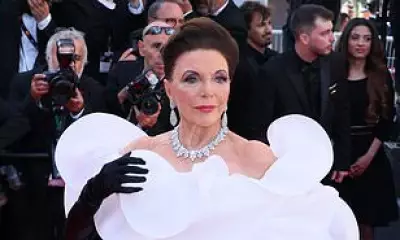
Brits Now View 69 as the Start of Old Age, Major Survey Reveals
A significant new study has pinpointed the exact age at which British society considers someone to be old. According to extensive research involving more than 2,000 adults across the United Kingdom, the perception of old age now begins at 69 years old. This finding represents a notable shift in societal attitudes towards ageing and longevity.
Generational Divides in Age Perception
The comprehensive survey, conducted by Seven Seas, uncovered stark differences in how various generations perceive the onset of old age. While previous studies suggested old age might begin as early as 62, this new data indicates that Britons are collectively pushing this milestone further into the future.
Detailed generational breakdowns reveal:

- Gen Z (aged 18-29) believe old age starts at 62.3 years
- Millennials (30-45) place the threshold at 62.9 years
- Gen X (46-61) consider 64.4 as the beginning of old age
- Baby Boomers (62-80) view 67.3 as the starting point
- The Silent Generation (81+) believe old age begins at 71.8 years
This data illustrates how younger generations perceive ageing to start significantly earlier than their older counterparts do. For Generation Z specifically, this means celebrities like Michelle Obama, Brad Pitt, and Lisa Kudrow—all currently 62—have officially entered what they consider the "over the hill" category.
Ageist Attitudes and Technological Perceptions
The research uncovered concerning ageist attitudes prevalent across British society. The most common phrases used to describe older people included "stuck in your ways," "mutton dressed as lamb," "you're too old for that," "dinosaur," and "over the hill."
Generation Z respondents demonstrated particularly interesting perspectives on ageing. They believe cognitive decline typically begins at 62, while struggles with technology adaptation start three years earlier at 59. Furthermore, they think people generally stop looking good in the latest fashions by age 56.
Despite these perceptions, the data revealed that Generation Z holds more sympathetic views toward older workers compared to Baby Boomers. Younger respondents were more likely to consider people over 50 as desirable hires for employers, suggesting a complex relationship between age stereotypes and workplace valuation.
Personal Fears and Future Expectations
The survey revealed significant anxieties about ageing among younger Britons. Analysis showed that one-fifth of Generation Z respondents (aged 18-29) don't believe they'll look good when they're older. A quarter don't expect to maintain strong social connections with family or friends in their later years.
Perhaps most concerning, 27 percent of respondents don't anticipate being in good health when they reach old age and generally believe people have less fun as they grow older. These findings suggest widespread pessimistic views about the ageing process across multiple generations.
Expert Commentary on Ageing Perceptions
Donna Bartoli, Wellness Expert and Health Coach, commented on the findings: "While we may be pushing the idea of 'old' further into the future, the data suggests many of us are still putting off the habits that help us age well. And if 69 really is the new 'old', then the time to look after our future health isn't later, it's now."
Katherine Crawshaw, co-head of the Age Without Limits campaign, added: "What we often see with beliefs around age and ageing is real concern at becoming older, of reaching a certain age, from quite early on in our adult lives. Being subjected to a barrage of ageist messaging throughout our lives gives people an unduly pessimistic view of what getting older will be like."
Harriet Bailiss, co-head of the campaign run by the Centre for Ageing Better, emphasized: "Taking a simplistic view of ageism, one might assume that younger generations are likely to hold more dismissive opinions of older age. The reality is much more complex than that, as our latest polling shows. What we know is that ageism can impact people at all ages."

Celebrity Implications and Societal Impact
The survey results present particularly interesting implications for 69-year-old celebrities including Tom Hanks, Kim Cattrall, and Steve Harvey, who now find themselves at the newly defined threshold of old age according to British public perception.
The Age Without Limits campaign aims to highlight and challenge ageism across all aspects of society. As Bailiss concluded: "This is why we need everyone, no matter their age, to be able to notice ageism and to challenge it when they do witness it." The research underscores the importance of addressing ageist attitudes that affect individuals across the entire lifespan.