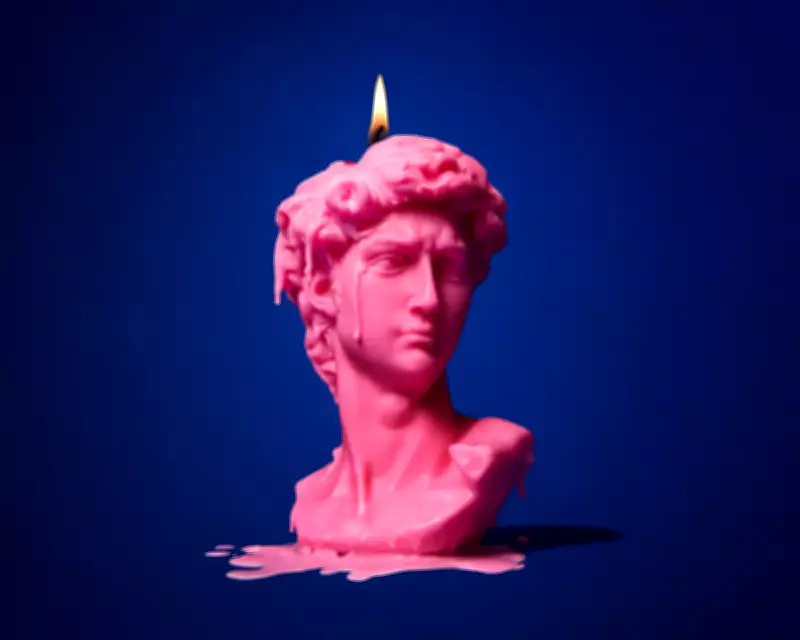
Over 75% of People Experience Burnout: Key Facts and Myths Debunked
In a world where fatigue and apathy have become commonplace, burnout is a bleak phenomenon defining many lives. A recent report highlights that over 75% of individuals suffer from this condition, yet numerous misconceptions cloud public understanding. Experts are now stepping forward to clarify what burnout truly entails and how to address it effectively.
Understanding Burnout: More Than Just Tiredness
Burnout is often mistaken for mere exhaustion, but it encompasses a triad of symptoms: emotional exhaustion, depersonalisation, and reduced personal accomplishment. Christina Maslach, a pioneering psychology professor, emphasises that burnout is a response to chronic job stressors, not a medical disease. This distinction is crucial for recognising and tackling the root causes.
Debunking Common Burnout Myths
Myth 1: Burnout is just tiredness. FALSE. Beyond exhaustion, burnout includes emotional detachment and cynicism, known as depersonalisation. Claudia Hammond, author of Overwhelmed: Ways to Take the Pressure Off, notes that this can lead to diminished empathy and irritability. Additionally, decreased productivity often accompanies feelings of shame or guilt, as explained by burnout coach Anna K Schaffner.

Myth 2: It's always work-related. FALSE. While the World Health Organization classifies burnout as an occupational phenomenon, research now extends to parents and caregivers. Dr Kandi Wiens, author of Burnout Immunity, points out that emotionally draining roles, paid or unpaid, can trigger burnout.
Myth 3: Only weak people get burnout. FALSE. Amelia Nagoski, co-author of Burnout: The Secret to Unlocking the Stress Cycle, argues that hard work doesn't prevent burnout; overinvestment in a job can actually increase risk. This is common in mission-driven fields where passion leads to emotional exhaustion.
Myth 4: Taking a holiday will fix it. FALSE. A short break is insufficient for recovery. Experts recommend three to six months off for severe cases, coupled with daily "micro-recoveries" like brief walks or listening to music to regulate stress levels.
Myth 5: You can push through burnout. FALSE. Ignoring symptoms can cause serious health issues, including cardiovascular problems. Dr Aditi Nerurkar, author of The 5 Resets, warns that resilience alone doesn't prevent burnout, debunking the myth of invulnerability.
Recovery and Management Strategies
Recovering from burnout isn't about quick fixes. Prof Gail Kinman from the Society of Occupational Medicine stresses that organisational factors, such as workload and support systems, play a larger role than individual traits. Solutions may involve adjusting work conditions, setting boundaries, or in extreme cases, leaving toxic environments. Practices like yoga or meditation can help but aren't substitutes for addressing chronic stressors.
Ultimately, burnout is a complex issue requiring a multifaceted approach. With over three-quarters of people affected, understanding and action are more critical than ever to foster healthier work and life balances.