European Cancer Prevention Code Demands Urgent Action on Air Pollution in Schools and Energy Systems
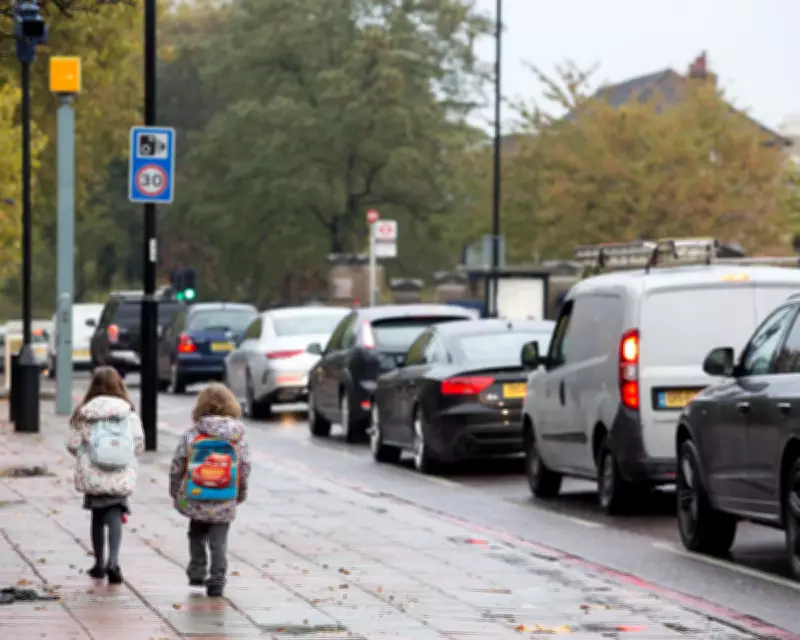
The newly published European Code Against Cancer has placed air pollution firmly at the forefront of public health policy, with scientists and campaigners urging immediate government intervention. The code specifically warns that schools should not be situated near busy roads and recommends financial incentives for existing schools to install air filtration systems. This directive comes as evidence mounts linking poor air quality to increased cancer rates and respiratory diseases, particularly affecting vulnerable children who spend significant hours in classrooms.
Energy Systems Identified as Root Cause of Pollution Crisis
Frédéric Godemel, a representative from Schneider Electric in Grenoble, France, argues that while air filters and restrictions on domestic wood burning are positive steps, they fail to address the core issue. Energy production accounts for over three-quarters of global greenhouse gas emissions, with fossil fuels releasing harmful pollutants like fine particulate matter (PM2.5) and nitrogen oxides when burned. Godemel emphasizes that tackling both climate change and air pollution requires a fundamental overhaul of energy systems, not merely tighter pollution standards or individual behavioral changes.
Technological solutions such as heat pumps and advanced energy management systems already exist to reduce emissions and enhance air quality. On a broader scale, electrifying energy-intensive sectors including industry, transport, and construction can deliver substantial emissions reductions while decreasing reliance on fossil fuels and associated pollutants. The transition to cleaner, efficient energy systems is therefore essential for meaningful improvements in air quality and public health.

Campaigners Highlight Cost-Effective Benefits of Air Filtration in Schools
Ruth Brooker of Clean Air for Kids in Bristol welcomes the code's focus on schools, noting that children are especially susceptible to the dangers of polluted air. Most educational institutions are located in areas where PM2.5 levels exceed World Health Organization guidelines, increasing risks of cancer and respiratory conditions. Installing air filters in classrooms is a practical and economical measure, with studies demonstrating significant benefits.
- A recent investigation in Milan showed that air filtration reduced student absenteeism by more than 10%.
- Research across 100 schools in the United States linked improved indoor air quality to measurable advancements in maths and reading scores on standardized tests.
- A large cohort study involving over 8,000 children in the United Kingdom confirmed these findings, indicating better concentration and working memory in cleaner environments.
Brooker stresses that for less than ten pounds per child annually, governments could ensure pupils breathe clean air—a right comparable to access to safe drinking water. This simple policy recommendation could swiftly yield financial savings and health improvements, making it a viable strategy for immediate implementation.
Call for Comprehensive Policy Reforms to Safeguard Future Generations
The European Code Against Cancer serves as a critical reminder that air pollution is not just an environmental issue but a pressing public health emergency. By integrating school-specific measures with broader energy reforms, policymakers can mitigate cancer risks and enhance overall well-being. The code's recommendations underscore the need for coordinated action at local, national, and international levels to protect communities, particularly the young, from the insidious effects of polluted air.