Cancer Survival Rates Expose Stark UK Postcode Lottery Linked to Deprivation
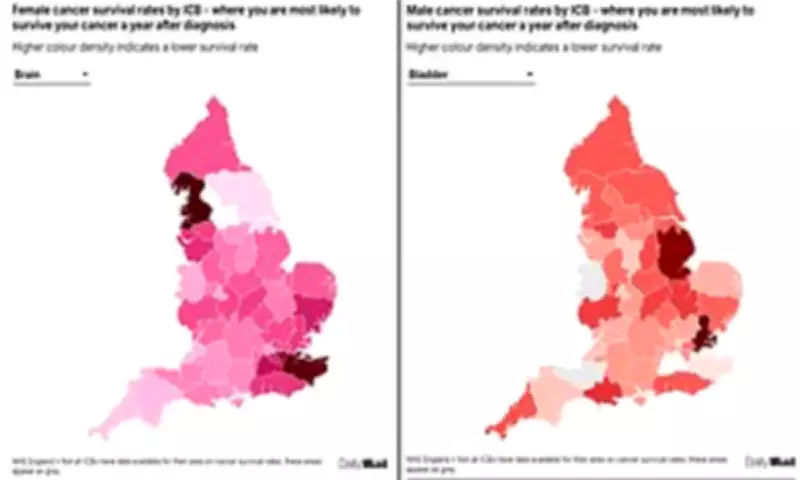
Concerning new data has revealed that cancer survival rates vary dramatically depending on where patients live in the United Kingdom, with some individuals nearly twenty per cent more likely to die from the disease within twelve months of diagnosis. This alarming postcode gap highlights profound health inequalities across the nation, driven significantly by socioeconomic factors.
Oropharyngeal and Lung Cancer Disparities Are Particularly Severe
The postcode survival gap is especially stark for oropharyngeal cancer, a type of head and neck malignancy. Patients residing in more deprived parts of the country face a thirteen per cent higher risk of death within one year compared to those living elsewhere. Among male patients, this divide widens further, with an eighteen per cent increased mortality risk in the most deprived areas.
According to Cancer Research UK analysis, almost half of excess cancer deaths linked to these regional differences are attributable to lung cancer, the world's biggest cancer killer. Latest NHS figures indicate patients in the most deprived areas are nearly eight per cent more likely to die from lung cancer within a year of diagnosis.

In the Black Country within the West Midlands, only forty-three per cent of women survive a year after a lung cancer diagnosis, which is nearly twenty per cent lower than survival rates observed in parts of London. For men, prospects are even bleaker, with merely thirty-four per cent of males in Shropshire, Telford and Wrekin surviving their disease for twelve months. Conversely, in affluent Surrey, approximately half of men diagnosed with lung cancer survive for at least one year.
Deprivation Index and Geographic Hotspots of Poor Outcomes
The analysis, based on patients' home postcodes at the time of diagnosis, utilises the Index of Multiple Deprivation. This measure ranks areas across England according to factors including income, employment, education, health, housing, and living environment. Areas with the highest concentrations of deprivation consistently demonstrate the poorest cancer outcomes.
These include parts of Middlesbrough, Liverpool, Knowsley, Kingston upon Hull, and Manchester. Neighbourhoods in Blackpool and sections of Liverpool also feature among the hardest hit for cancer survival. In contrast, areas in Buckinghamshire, Surrey, and South West London rank among the least deprived and typically exhibit better survival rates.
Bowel, Breast, and Pancreatic Cancer Variations
The survival disparity persists for bowel cancer, which is currently increasing among young people. In some regions, only around seventy-five per cent of patients survive for a year after diagnosis, well below the UK average of eighty per cent. Meanwhile, in parts of North West London, survival rates reach as high as eighty-four per cent.
Screening uptake appears to play a critical role. Cancer Research UK reports bowel cancer screening participation is approximately fifty-seven per cent in the most deprived areas, compared with seventy-six per cent in the least deprived. Breast cancer outcomes are generally high nationwide but still vary by postcode, ranging from about ninety-four per cent one-year survival in some localities to ninety-seven per cent in the best-performing parts of the South.
For more aggressive cancers, the gap becomes even more pronounced. Pancreatic cancer remains the deadliest, with just thirty per cent of patients surviving one year and fewer than one in ten reaching five years. In parts of the North West, only around twenty-three per cent of men reach the one-year milestone.
Lifestyle Factors and Screening Participation Drive Inequality
Experts suggest habits such as smoking, drinking alcohol, and maintaining a poor diet are thought to elevate the risk of many cancers. Unhealthy lifestyles prevalent in deprived areas could be fuelling the disparity. Additionally, individuals in these regions are less likely to participate in cancer screening and vaccination programmes, rendering them more susceptible to cancers triggered by infections like human papillomavirus (HPV), hepatitis B, and hepatitis C.

Lifestyle factors including smoking, obesity, and alcohol use are likely driving part of the survival divide. Despite one person now being diagnosed with cancer in the UK every seventy-five seconds, governmental measures aim to improve outcomes.
Government Initiatives and Persistent Treatment Delays
As part of its National Cancer Plan launched in February, hospitals will expand the use of 'liquid biopsies'—blood tests detecting minute fragments of tumour DNA—alongside advanced genetic analysis to match patients to the most effective treatments. However, delays remain a major concern.
The NHS target is for eighty-five per cent of patients to begin treatment within sixty-two days of referral, but this benchmark has not been met since 2014. Experts warn such delays allow cancers to progress, worsening survival chances and further widening the gap between different parts of the country.