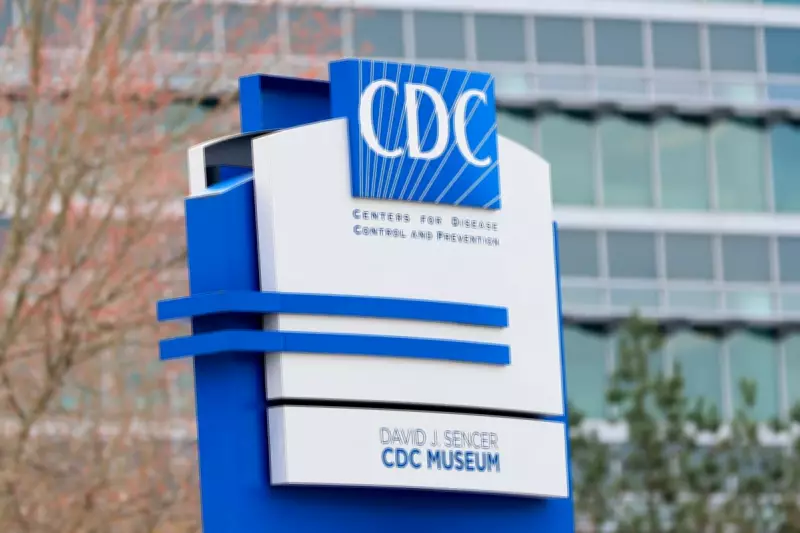
The federal government has failed to replace bullet-damaged windows at the Centers for Disease Control and Prevention more than seven months after a deadly shooting attack, the agency's acting chief confirmed on Wednesday.
Staff Frustration Over Delayed Repairs
During a staff meeting, CDC employees questioned Dr. Jay Bhattacharya about the broken windows that had been temporarily covered with paper. "We're working on that," Bhattacharya responded, emphasizing that the repairs are a priority. Another CDC official stated that permanent window replacement work is currently underway.
Complex Replacement Process
In a follow-up email to employees, CDC officials explained that repair work began this month. Each window requires custom manufacturing, and installation depends on weather conditions, but the project remains on schedule according to agency representatives.

The August Shooting Incident
In August, 30-year-old Patrick Joseph White fired more than 180 shots into the CDC campus, shattering approximately 150 windows. Bullets penetrated supposedly "blast-resistant" windows, scattering glass shards throughout numerous rooms according to internal agency documents.
White had initially been stopped by CDC security guards before driving to a nearby pharmacy and opening fire on CDC offices. Police officer David Rose responded to the incident and was killed during the confrontation. White also died in the exchange. While no CDC employees sustained physical injuries, many were traumatized by the violent attack.
Motivation Behind the Attack
White reportedly blamed COVID-19 vaccines for causing depression and suicidal thoughts that motivated his actions. This connection has added another layer of complexity to the ongoing aftermath of the incident.
Leadership Response Criticized
Many CDC employees expressed frustration with the response from U.S. Health Secretary Robert F. Kennedy Jr., the political appointee overseeing federal health agencies. Kennedy made a brief weekend visit to survey damage but did not meet with affected staff members.
Kennedy, a prominent figure in the national anti-vaccine movement before his appointment by President Donald Trump, has previously made false and misleading statements about COVID-19 vaccine safety and effectiveness.
Memorial Proposal
Bhattacharya revealed that he requested Kennedy's approval to rename the CDC's road entrance in honor of fallen officer David Rose, a proposal to which Kennedy agreed.
The bullet-pocked windows continue to serve as a grim reminder of the August attack while employees await their replacement. The slow pace of repairs has highlighted broader concerns about government responsiveness to critical infrastructure damage at vital public health institutions.