Why a Celebrant Finds More Meaning in Funerals Than Weddings
As a celebrant, I often start both weddings and funerals with the same practical reminder: "Everyone, we are about to get started, so can you please make sure your phones are off or on silent." I introduce myself, express my privilege in sharing these moments, and always keep tissues handy. Wedding dresses lack pockets, and surprisingly, many arrive at funerals unprepared for tears.
The Distinct Narratives of Life's Milestones
From there, the scripts diverge. At weddings, I recount the couple's love story, akin to a prequel to the book they are beginning together. In funerals, I facilitate family and friends as they narrate the life of their loved one through speeches, music, and slideshows. Both rituals blend music, story, and movement, serving to close one chapter and open another.
A wedding marks a public shift from betrothed to wedded, altering roles within family and community. Similarly, a funeral transforms the deceased into a blend of past and present, allowing mourners to connect differently across time and space. The relationship endures but evolves in manner.

Ritual Movements and Sacred Spaces
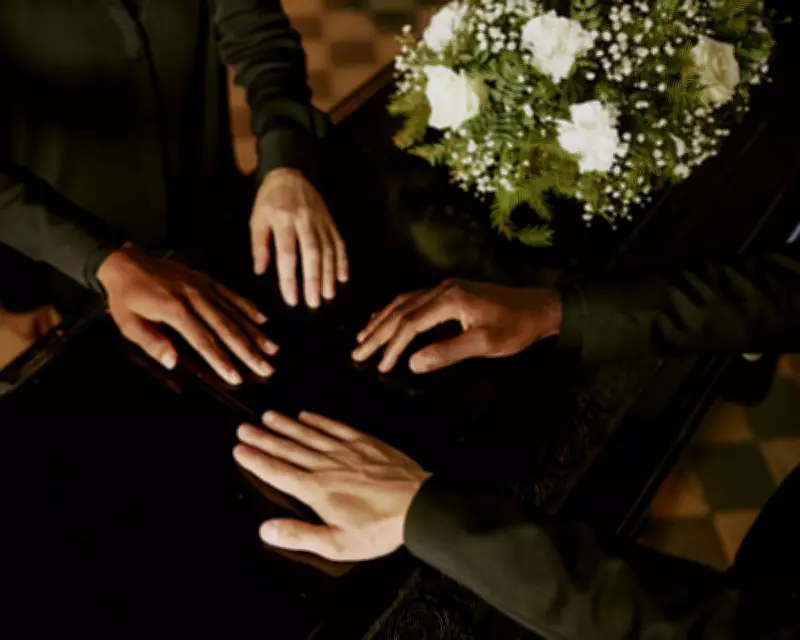
Both ceremonies incorporate physical actions: standing for the bride or casket, approaching the casket or married couple, throwing confetti or leaving flowers. Through these rituals, people embed new ways of connecting bodily with each other and the occasion.
I cherish witnessing both weddings and funerals as sacred, special events. However, I lean towards funerals because the veil feels thinner. People enter a space holding something fragile, an oasis to confront life's end comfortably. Death remains unimaginable until faced directly.
Personal Healing and Spiritual Insights
Buddhists practice meditative visualisations to prepare for conscious dying, aiming to enter the bardo realm with purpose. In my work, I interviewed a local Wodi Wodi elder for a book on spirituality. I explained that I began conducting funerals after my sister's death in 2015, driven by a desire to help others give meaningful send-offs to their beloveds.
Coincidentally, the elder had pre-arranged her own funeral, showing me a box labelled "Departures" with instructions and song selections. I commended her organisation. She then posed a profound question: "Do you think that conducting funerals is part of your healing?" No one had asked me that before.
She advised, "If it stops being healing, please, stop doing them." At my sister's funeral, I experienced an authentic return and wished to offer that to others, guiding their engagement with life and death's mystery. If I ever have nothing left to give, I will step back, as it began as a gift to myself after my sister's passing.
A Shift in Focus and Self-Reflection
I have decided to cease officiating weddings and concentrate solely on funerals. While I adore the joy and vulnerability of couples declaring their love and promises, the elder's insight resonates: perhaps my work remains tied to my own healing. I initially viewed funerals as a service to others, but it may also serve myself, reminding me repeatedly of life's sacred fragility, transient nature, and inevitable end.
Maybe funerals help me live a little better. Jackie Bailey is the author of The Eulogy, winner of the 2023 NSW Premier's literary multicultural award. When not writing, she works as a funeral celebrant and pastoral care practitioner, assisting families in navigating death and dying.