Celine Dion's Rare Neurological Condition and Potential Stage Return
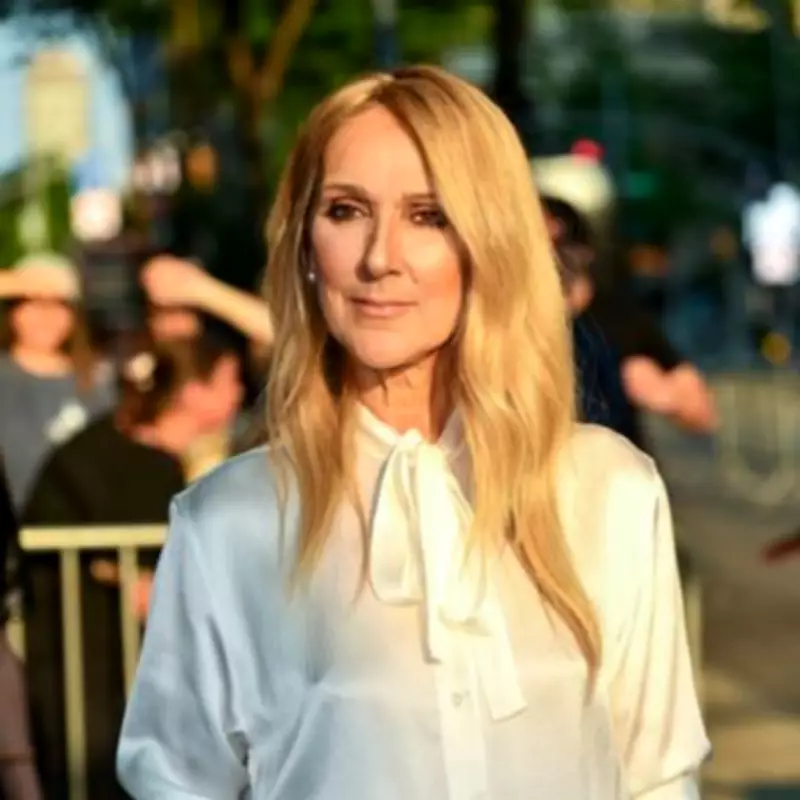
The iconic Canadian vocalist Celine Dion, who has not performed a complete concert since the global pandemic, is now at the centre of intense speculation regarding a possible return to the stage. This follows the mysterious appearance of cryptic posters across Paris featuring her famous song lyrics and titles, sparking widespread fan theories about an autumn residency at the Paris La Défense Arena. The fifty-seven-year-old singer has yet to publicly address these mounting rumours, leaving her global audience in eager anticipation.
The Diagnosis of an Extremely Rare Syndrome
In a deeply personal revelation back in 2022, Celine Dion disclosed that she had been diagnosed with Stiff Person Syndrome, an exceptionally rare progressive neurological disorder. This condition is estimated to affect merely one to two individuals in every million, placing it among the most uncommon medical syndromes. The illness causes increasingly severe muscle stiffness and painful spasms, which for Dion tragically extend to her vocal cords, directly impacting her legendary singing voice.
Speaking candidly with the BBC in 2024, the multiple Grammy Award winner explained that she had been struggling with the debilitating symptoms for several years prior to her official diagnosis. During some performances, the spasms became so severe that she was occasionally forced to request her backing musicians to change the key of certain songs to accommodate her vocal limitations.

Understanding Stiff Person Syndrome
Stiff Person Syndrome is frequently misdiagnosed as other neurological conditions such as multiple sclerosis, Parkinson's disease, or fibromyalgia due to overlapping symptom profiles. Medical experts from The Brain Charity emphasise that despite its extreme rarity, the condition profoundly and permanently alters the lives of those affected. Dion initially believed she was experiencing simple vocal strain, describing the sensation as "a little spasm", but gradually realised this was a permanent neurological issue rather than temporary fatigue.
The exact cause of Stiff Person Syndrome remains medically unclear, though some research suggests it may result from an autoimmune response targeting the brain and spinal cord. The syndrome is commonly associated with other autoimmune conditions including vitiligo, adding complexity to its diagnosis and management.
Primary Symptoms and Secondary Effects
The most common manifestations of Stiff Person Syndrome include:
- Severely stiff and rigid muscles throughout the body
- Painful muscle and body spasms
- Noticeably slouched or hunched posture
- Unexplained weight loss
These physical symptoms often lead to significant psychological consequences, including heightened anxiety and depression. The unpredictable spasms and rigidity can cause dangerous falls or injuries, sometimes resulting in a debilitating fear of leaving home. According to specialists at Johns Hopkins Medicine, less typical symptoms may include eye movement problems causing double vision, speech difficulties, and general lack of coordination. Symptoms can appear gradually over weeks, months, or years, with varying progression rates among individuals.
Treatment Prospects and Dion's Personal Journey
Currently, there exists no cure or specific treatment protocol for Stiff Person Syndrome. However, neurological specialists can help manage symptoms to improve quality of life. In 2023, Dion's sister Claudette revealed that the singer had lost control over her muscles but maintained a determined goal of returning to the stage. Several months later, Dion confirmed this ambition herself, telling the BBC she was undergoing specialised therapy to rebuild her voice sufficiently for live performances.
The singer has become increasingly outspoken about her experience, aiming to raise awareness and research funding. She stated to the BBC: "My goal is to be part of the funds and raising money for awareness and to find a cure. That would be amazing." Dion last completed her Las Vegas residency in 2019, before the pandemic and her diagnosis, making her potential comeback particularly significant for both her career and medical advocacy.