Childhood Coat Exposure Leads to Devastating Cancer Diagnosis Decades Later
Heather Von St James, 57, has revealed how a seemingly innocent childhood habit led to a life-threatening diagnosis decades later. The Minnesota woman was given just 15 months to live after developing pleural mesothelioma, an aggressive lung cancer directly linked to asbestos exposure from her father's work jacket.
The Dangerous Childhood Comfort
During cold evenings in her youth, Heather would regularly wear her father Roland's dark blue satin work jacket from the 1980s when heading outside to feed her pet rabbits. Unbeknownst to her, the coat carried dangerous asbestos dust accumulated from long days on construction sites, masked only by the familiar scent of her father's aftershave.
"I just loved wearing it," Heather recalled, never imagining how perilous that comforting garment would prove to be. The grey-white construction dust covering the jacket contained asbestos fibers that would remain dormant in her body for decades before manifesting as cancer.

Sudden Onset of Symptoms
The first signs of illness emerged when Heather was 36 years old and pregnant with her first child. Working as a hairdresser and part-owner of a salon business, she initially attributed her symptoms to normal postpartum pregnancy effects. After delivering her baby via Caesarean section, she quickly returned to work while caring for her newborn at home.
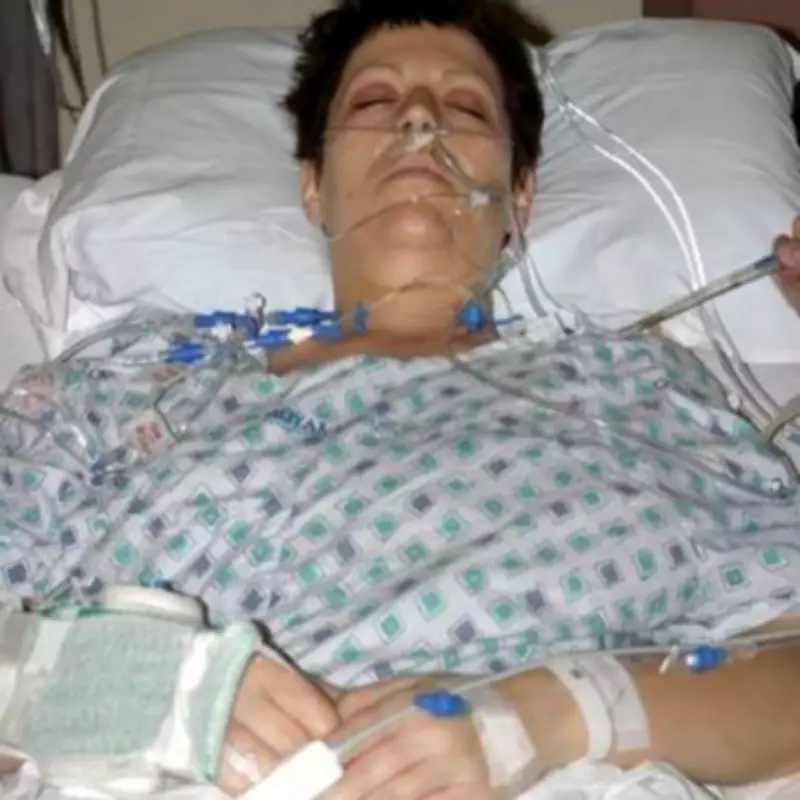
However, persistent fatigue and recurring fevers that felt like "a truck parked on my chest" prompted concern. A photograph sent to her sister triggered immediate alarm, with her sibling describing Heather as looking "dead in the photo" and urging immediate medical attention.
Shocking Diagnosis and Radical Treatment
A series of medical tests culminated in a CT scan revealing a tumour near Heather's lung. Within two weeks, doctors confirmed the diagnosis of pleural mesothelioma. "I didn't know what mesothelioma was, I'd never heard the word," Heather admitted.
When physicians asked about asbestos exposure, the realization struck immediately. "I looked at my husband and he looked at me and he said 'Oh this is bad'," she remembered. Medical professionals delivered the devastating prognosis: without drastic intervention, she might have approximately 15 months to live.
Refusing to accept this fate, Heather pursued aggressive treatment at a specialized Boston cancer centre. Instead of planning her child's first Christmas, she prepared for radical surgery that would involve:
- Removal of one rib
- Complete removal of her left lung
- Excision of the pleura where the tumour was located
- Removal of the lining of her heart
- Partial removal of her diaphragm
Surgeons replaced the diaphragm and heart lining with surgical Gore-Tex material. The February 2006 procedure proved successful, achieving clear margins with no visible cancer remaining.
Innovative Follow-up Treatment
Following surgery, Heather underwent pioneering heated chemotherapy where warmed drugs circulated through her chest cavity to destroy microscopic cancer cells. "They literally rock you back and forth for an hour. They call it the Shake and Bake," she explained.
This was supplemented by four rounds of conventional chemotherapy and thirty sessions of radiotherapy. Remarkably, Heather has remained cancer-free since completing this intensive treatment regimen.
Ongoing Challenges and Advocacy Work
Despite her survival, life with only one lung presents continuous difficulties. Heather experiences breathlessness on hills or long flights of stairs, cannot run, and struggles with carrying heavy objects. "I get winded easily and I get fatigued easily. I have a frozen shoulder and cannot properly open my left hand," she described.
Her physical limitations mean she relies on her son Lucious for certain practical tasks. "Some days people say once you survive cancer everything should be great," Heather noted. "But there are a lot of ongoing physical things that happen after surgeries."
Tragically, Heather's father Roland died in 2014 from kidney cancer, with doctors suspecting asbestos exposure may have contributed to his illness.

Creating a Legacy of Hope
Heather has transformed her experience into a powerful advocacy platform. Soon after her surgery, medical staff noticed her ability to connect with others and invited her to speak with patients and caregivers, inadvertently launching a career in patient advocacy.
Today, she travels internationally raising awareness about asbestos-related diseases and supporting newly diagnosed patients. "Doctors rarely see patients live this long after mesothelioma," Heather explained. "They say in my case, to be here 20 years is rare. I'm frankly still shocked I'm here."
She emphasizes the tremendous medical progress since her treatment in the 2000s, noting that while only one main treatment pathway existed at her diagnosis, physicians now offer far more options. "Twenty years later and I'm still alive. Giving people that hope that it can be done, that medicine can get us there. That brings so much hope to so many," Heather concluded, focusing on what she calls her "legacy of hope" for others facing similar diagnoses.