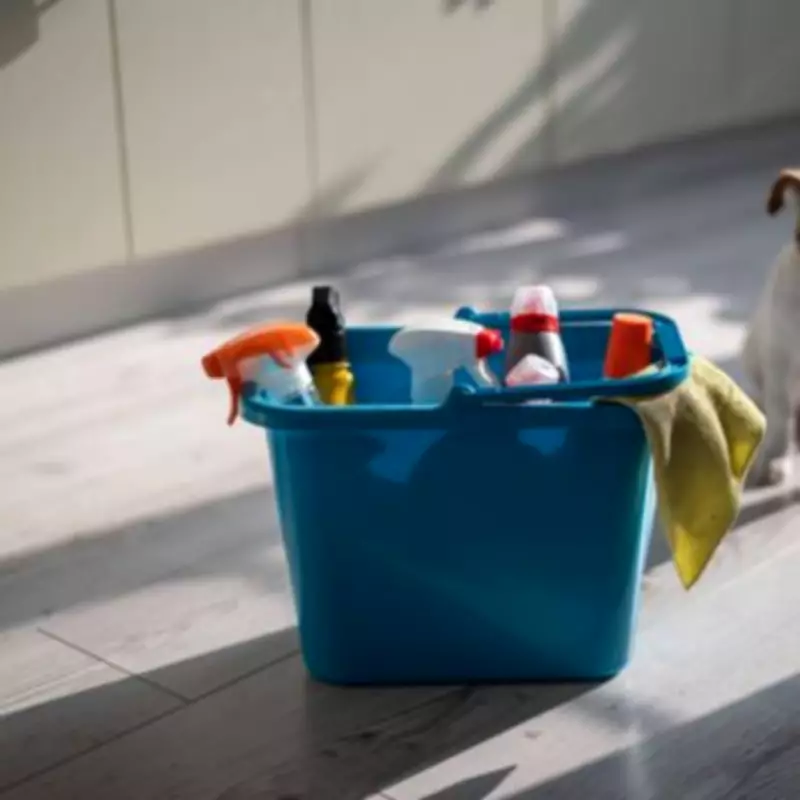
Urgent Veterinary Alert for Pet Owners During Spring Cleaning
As spring arrives and households embark on thorough cleaning routines, veterinary professionals are issuing an urgent warning to dog and cat owners. Many common cleaning products contain ingredients that can pose severe health risks to pets, including painful chemical burns and serious digestive problems.
Hidden Dangers in Household Cleaners
Dr Aimee Warner, the resident veterinarian at Waggel, emphasizes that most pet owners are unaware of the hazards. "Most owners wouldn't think twice about letting their dog back into the kitchen after mopping," she explains. "But if that floor is still damp, your pet is essentially walking through a chemical solution." The paw pads of animals absorb irritants rapidly, and since dogs and cats instinctively lick their paws, they ingest whatever substances they have encountered.
The primary culprit identified is benzalkonium chloride, often abbreviated as BAC. This chemical is frequently found in concentrated floor cleaners, antibacterial sprays, and patio cleaning solutions at various concentrations. It also appears in a surprisingly wide range of other household items, including certain fabric softeners and kitchen disinfectants.

Symptoms and Immediate Risks
If a pet ingests or comes into contact with benzalkonium chloride, owners should watch for specific warning signs. These include excessive drooling, a noticeable reduction in appetite, skin inflammation, and unexpected hair loss. In stronger concentrations, pets can suffer from painful chemical burns, which require immediate veterinary attention.
To safeguard animals during cleaning activities, Dr Warner advises implementing strict safety measures. "This is the single most important rule," she states. "Keep your pet out of the room until the floor is completely dry. Not just touch-dry, but properly aired and dry to the surface." She stresses that this precaution applies regardless of the cleaning product used.
Practical Safety Guidelines for Pet Owners
- Always examine cleaning product labels for benzalkonium chloride before use.
- Treat any product containing BAC as hazardous; prevent pets from direct contact while it is wet.
- If applying concentrated cleaners to floors, rinse thoroughly with fresh, clean water afterwards.
- Monitor pets closely during and after cleaning sessions to ensure they avoid treated areas.
In the event of exposure, swift action is crucial. Dr Warner recommends rinsing the animal's paws with lukewarm water immediately and contacting a veterinarian without delay. "If you can, take a photo of the product label so your vet knows exactly what they've been exposed to," she adds, as this information can significantly aid in diagnosis and treatment.
This warning underscores the importance of pet-proofing cleaning routines, especially as warmer weather encourages more intensive household maintenance. By staying vigilant and adopting these preventive measures, owners can protect their beloved companions from unnecessary harm and ensure a safe, healthy environment for all.