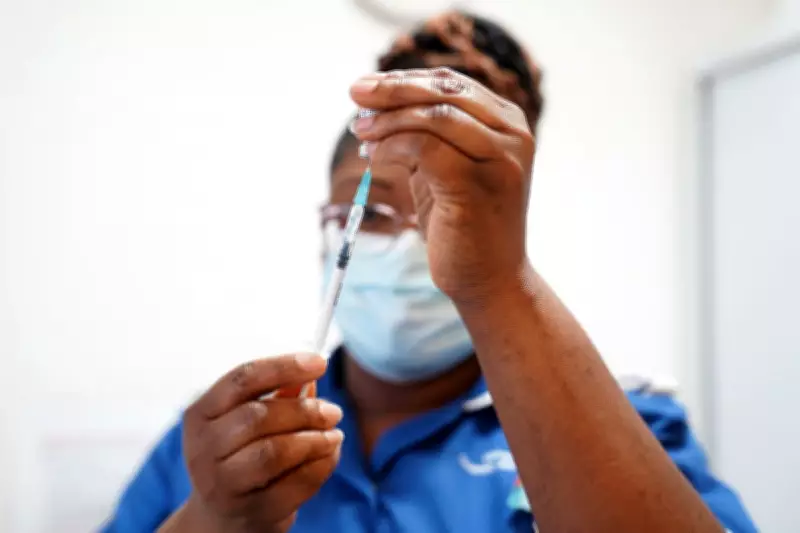
Covid Inquiry Hails Vaccine Programme as Extraordinary Success
The UK Covid-19 Public Inquiry has delivered its verdict on the nation's pandemic response, with chairwoman Baroness Heather Hallett praising the vaccine rollout as an extraordinary feat of biomedical science. In her comprehensive report published on Thursday 16 April 2026, Lady Hallett emphasised that the United Kingdom established itself as a world leader in developing and distributing vaccines at unprecedented scale.
Compensation Scheme Requires Immediate Overhaul
Despite celebrating the overall success of the vaccination programme, the inquiry has identified serious shortcomings in the compensation system for those harmed by Covid-19 jabs. Baroness Hallett has called for urgent reform of the payment scheme, recommending that maximum payouts should be increased to at least £200,000 - nearly double the current upper limit of £120,000.
The report particularly criticises the existing requirement that claimants must demonstrate 60% disability to qualify for compensation. This threshold leaves those people with a significant injury that affects how they live, but does not meet the 60% threshold, with nothing, the inquiry chairwoman stated. She has proposed replacing this system with a graduated threshold scheme that would provide more equitable support.

Vaccine Safety Systems Praised Despite Harm Cases
In her 274-page report, Lady Hallett acknowledged that while some individuals suffered serious injury or death from vaccines, robust safety systems were maintained throughout the pandemic. These included rigorous trials and regulatory approval processes and the taking of prompt action when any problem was identified, she wrote in her foreword to the fourth major report from the ongoing inquiry.
The statistics presented in the document underscore the programme's success: by March 2023, Covid-19 vaccines had saved approximately 475,000 lives in England and Scotland alone, with millions more preserved globally. On any objective analysis, the risks of the Covid-19 vaccines were carefully managed and were far outweighed by the benefits, Baroness Hallett concluded.
Addressing Vaccine Hesitancy Before Next Pandemic
The inquiry has also turned its attention to the persistent challenge of vaccine hesitancy, urging the Government to develop more effective strategies for engaging communities with lower uptake rates. Lady Hallett emphasised that action is needed in all four nations to build trust within communities with lower vaccine uptake and to make vaccines more accessible to them, before the next pandemic hits.
This recommendation comes alongside praise for the remarkable speed of vaccine development and distribution. The vaccination programme was an extraordinary feat. Effective vaccines were developed, produced and delivered to the majority of the population in record time, the report states, while simultaneously acknowledging the suffering of those adversely affected by immunisation.
The inquiry's findings present a balanced assessment that celebrates biomedical achievement while demanding improved support systems for the small minority who experienced harm from what remains one of the most successful public health interventions in modern British history.