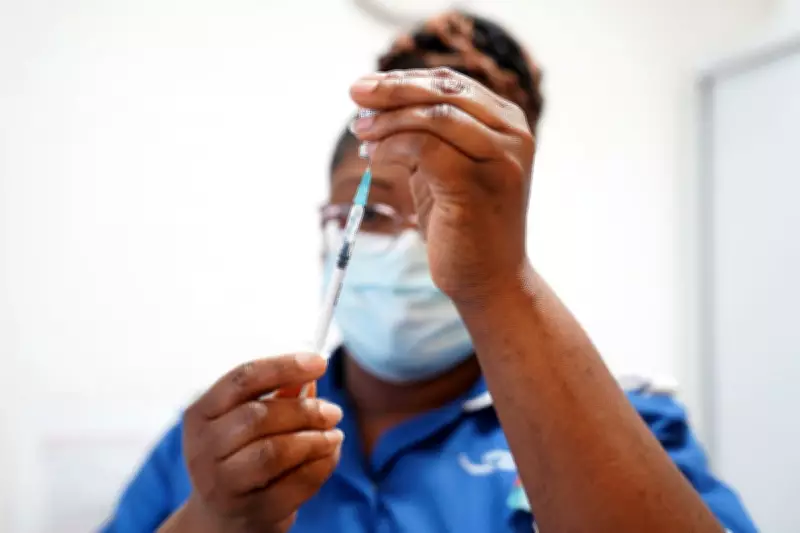
Covid Inquiry Lauds Vaccine Programme as 'Extraordinary Feat'
The UK's Covid-19 public inquiry has delivered a mixed verdict on the nation's pandemic response, praising the vaccine rollout as a monumental success while demanding urgent reforms to the compensation scheme for those injured by the jabs. Inquiry chairwoman Baroness Heather Hallett highlighted the UK's leadership in biomedical sciences as a key factor in the rapid development and distribution of vaccines.
Call for Urgent Reform of Vaccine Injury Payments
In her comprehensive report, Baroness Hallett emphasised that the Government must act swiftly to overhaul the Vaccine Damage Payment Scheme. She proposed almost doubling the maximum payout to at least £200,000, up from the current cap of £120,000, which was last adjusted in 2007. The chairwoman argued that an inflationary adjustment, based on December 2025 figures, would naturally push payments beyond the £200,000 mark.
"The current maximum payment of £120,000 is too low," Baroness Hallett stated unequivocally. "It should be raised at least to come into line with inflation." She further recommended that the Government implement annual increases tied to inflation and introduce a graduated payment system that reflects the severity of injuries sustained.

Scrapping the 60% Disability Threshold
A particularly contentious aspect of the current scheme is the requirement for claimants to be assessed as 60% disabled to qualify for compensation. Baroness Hallett called for this threshold to be abolished entirely, noting that it leaves "those people with a significant injury that affects how they live, but does not meet the 60% threshold, with nothing."
The inquiry revealed that by the end of November 2024, fewer than 2% of Covid-19 vaccine damage applications had been found eligible for payment under the existing criteria. This low acceptance rate has fueled criticism that the scheme fails to adequately support those who have suffered adverse effects.
Vaccine Programme Success and Saved Lives
Despite these criticisms, the inquiry was unequivocal in its praise for the overall vaccination effort. "The vaccination programme was an extraordinary feat," Baroness Hallett declared. "Effective vaccines were developed, produced and delivered to the majority of the population in record time."
The report highlighted that by March 2023, vaccines had saved approximately 475,000 lives in England and Scotland alone, with millions more preserved globally. "On any objective analysis, the risks of the Covid-19 vaccines were carefully managed and were far outweighed by the benefits," the chairwoman concluded, pointing to rigorous trials, regulatory approvals, and prompt safety monitoring during the pandemic.
Addressing Vaccine Hesitancy and Equity Issues
Baroness Hallett also turned her attention to the persistent problem of vaccine hesitancy, urging greater consideration of why certain groups remain reluctant or unable to access jabs. The inquiry found that lower uptake in poorer communities and among some ethnic minority groups was predictable and should have been better anticipated.
"Action is needed in all four nations to build trust within communities with lower vaccine uptake and to make vaccines more accessible to them, before the next pandemic hits," she warned. The report criticised communication strategies that "caused confusion in some groups," including pregnant women and unpaid carers, and noted that the controversial policy of compulsory jabs for care home workers likely increased alienation and hesitancy.
Manufacturing Shortfalls and Strategic Recommendations
The inquiry identified a significant weakness in the UK's pandemic preparedness: a lack of domestic manufacturing capacity for vaccines and treatments. Despite a £65 million grant awarded in 2018 to the Vaccine and Innovation Centre, intended to boost UK production, the facility was not operational when Covid-19 struck due to bureaucratic delays.
Baroness Hallett made five key recommendations in her report:

- Reform the Vaccine Damage Payment Scheme to increase payouts and remove the 60% disability threshold.
- Grant regulatory bodies access to healthcare records for enhanced safety monitoring of new vaccines and therapeutics.
- Establish a pharmaceutical expert advisory panel to strengthen the UK's capabilities in developing, procuring, and manufacturing vaccines and treatments.
- Develop targeted vaccine strategies to address hesitancy and improve uptake.
- Implement better monitoring of vaccine delivery and acceptance rates across all demographics.
Reactions from Stakeholders and Government Response
Kate Scott, representing the Vaccine Injured and Bereaved UK (VIBUK) group, welcomed the inquiry's findings as "an important step towards fairness for those who suffered devastating consequences." She acknowledged that "vaccine injury and death are part of the pandemic story," an uncomfortable truth that the report begins to address.
A Government spokesperson responded by praising the vaccine rollout achievements, attributing them to "the strength of our world-leading life sciences sector, the universal public health system in each of the four nations, and the extraordinary dedication of health and care staff." The spokesperson added that the Government would "consider its findings and recommendations in detail and respond in due course," reaffirming a commitment to learning from the inquiry to bolster future pandemic preparedness.
The inquiry itself has incurred substantial costs, with total expenditure reaching just under £204 million by the end of December, covering setup, legal fees, and public hearings across the UK. The Government reported spending £111 million on its response, including legal advice and staffing.