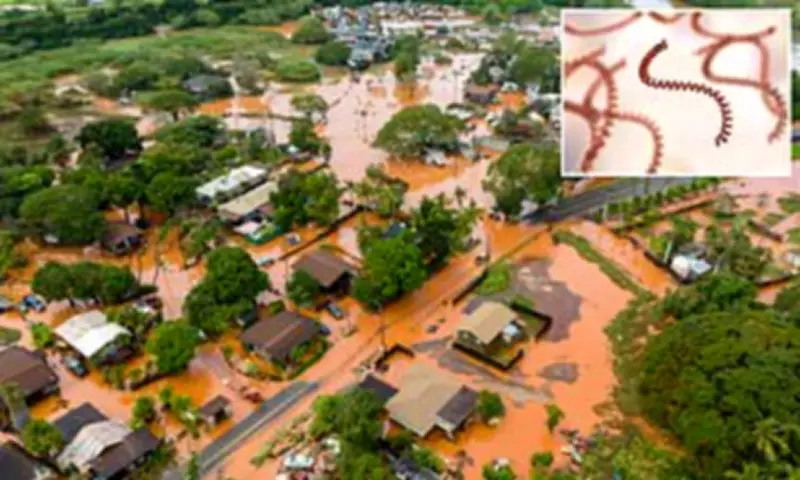
Health Alert: Deadly Bacteria Found in Hawaii's Flood Waters After Devastating Storms
Health authorities in Hawaii have issued an urgent warning about a potentially lethal bacteria contaminating flood waters across the state following unprecedented "Kona low" storms earlier this month. The Hawaii Department of Health and Hawaiian Humane Society are urging residents and recovery workers to remain vigilant for signs of leptospirosis, a rare but deadly illness that thrives in flood conditions.
Catastrophic Weather Creates Perfect Breeding Ground
The recent storms dumped more than two trillion gallons of rainfall across Hawaii, equivalent to filling three million Olympic-sized swimming pools. Meteorological data reveals extraordinary conditions throughout March, with some areas recording 14-day rainfall totals 3,000 times higher than normal and wind gusts reaching 135 miles per hour. This deluge not only caused widespread property damage but also created ideal conditions for dangerous bacterial spread.
Understanding the Leptospirosis Threat
Leptospirosis is caused by the Leptospira bacterium, which contaminates water and soil through the urine of infected animals. The bacteria can survive for weeks or months in moist environments. During heavy flooding, contaminated soil and water can enter the human body through the nose, mouth, eyes, or breaks in the skin.

Once inside the body, the bacteria travel through the bloodstream and attack vital organs, potentially causing:
- Trouble breathing and respiratory distress
- Coughing up blood or blood in urine
- Black or tarry stool indicating internal bleeding
- Liver and kidney failure in severe cases
- Brain swelling and neurological complications
The most dangerous complication is severe pulmonary hemorrhagic syndrome (SPHS), characterized by massive bleeding into the lungs. While leptospirosis rarely spreads between humans, crowded temporary shelters and rodent-infested facilities during storm recovery can increase transmission risks.
Alarming Mortality Rates and Geographic Hotspots
Medical statistics reveal concerning fatality rates: approximately one in six patients with severe leptospirosis dies, while mortality reaches 50% among those developing SPHS. Hawaii already reports the highest leptospirosis rates in the United States due to its warm, wet climate, with flooding events dramatically increasing exposure risks.
Nationally, 100 to 200 human leptospirosis cases are reported annually, with half occurring in Hawaii due to the state's heavy rainfall patterns and frequent flooding. Puerto Rico, California, and Illinois also report sporadic cases, though Hawaii remains the primary hotspot.
Two-Phase Disease Progression
Leptospirosis manifests in two distinct phases:
- Leptospiremic (acute) phase: Initial symptoms resemble mild flu or may be absent entirely. As bacteria multiply in the bloodstream, more severe signs including vomiting, fever, and diarrhea typically appear within two to 14 days after infection, lasting three to ten days.
- Immune (delayed) phase: Bacteria migrate from the bloodstream to organs. In rare instances, this phase triggers Weil's syndrome, characterized by internal bleeding and multiple organ failure.
Pets as Early Warning Indicators
Animals often show symptoms before humans, making pet health monitoring crucial. Veterinary experts report that leptospirosis in pets causes fever, decreased appetite, lethargy, vomiting, diarrhea, increased thirst or urination, muscle soreness, reluctance to move, and jaundice.
"After heavy rain and flooding, we typically see an elevated risk of leptospirosis in our community, and this storm is no exception," stated Dr. Lisa Labrecque, Chief Veterinarian at the Hawaiian Humane Society. "If your pet begins showing any signs of illness in the coming days, please reach out to your veterinarian immediately. Early treatment with antibiotics is effective, but this disease can progress quickly and become life-threatening if left untreated."

Dr. Ariella Barry, Epidemiology and Laboratory Capacity Veterinary Medical Officer with the DOH Disease Investigation Branch, emphasized: "Pets are often the first indicator that leptospirosis is circulating in a community, and after a flooding event like this one, that risk is very real."
Treatment Options and Prevention
Both humans and pets can be treated with antibiotics when leptospirosis is diagnosed early. While no human vaccine exists, a two-dose vaccination is available for dogs. The disease primarily affects individuals with recreational exposure to soil and water, including veterinarians, farmers, and participants in water sports like swimming and kayaking.
Health officials stress that the combination of Hawaii's climate, recent catastrophic flooding, and existing high bacterial prevalence creates a perfect storm for leptospirosis transmission. Residents are advised to avoid flood waters when possible, practice thorough hygiene after potential exposure, and seek immediate medical attention if symptoms develop.