Revolutionary Diabetes Trial Achieves Complete Cure for Ten Patients
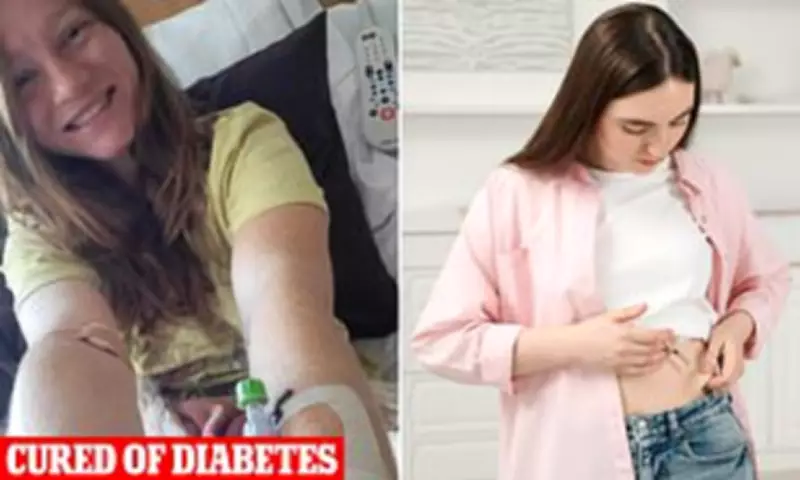
In a landmark medical breakthrough, researchers have announced that multiple Americans have been completely cured of type 1 diabetes following a groundbreaking clinical trial, allowing them to permanently cease insulin injections. The University of Chicago Medicine Transplant Institute has released updated results from their ongoing study, revealing unprecedented success in treating this chronic autoimmune disorder.
Understanding Type 1 Diabetes and Its Dangers
Unlike type 2 diabetes, which typically develops later in life and is often linked to lifestyle factors like obesity, type 1 diabetes is an unpreventable autoimmune condition affecting approximately 2 to 4 million Americans. The disorder occurs when the immune system mistakenly attacks and destroys insulin-producing beta cells within the pancreas. Without insulin, the body cannot regulate blood sugar levels, leading to dangerously high glucose concentrations in the bloodstream.
This metabolic dysfunction forces the body to break down fat for energy, producing acidic byproducts called ketones. Over time, this process can trigger diabetic ketoacidosis (DKA), a life-threatening condition that may cause brain swelling, kidney failure, cardiac arrest, and potential death. Patients with type 1 diabetes traditionally require lifelong insulin therapy to manage their condition, facing constant monitoring and significant healthcare costs.

The Transformative Clinical Trial Methodology
In this pioneering trial, ten type 1 diabetes patients underwent transplantation of islet cells—tiny clusters of specialized cells scattered throughout the pancreas that produce hormones essential for blood sugar regulation. The islet cells were harvested from deceased donors and infused into patients' livers via a minimally invasive catheter procedure through the portal vein.
Remarkably, within just four weeks post-transplantation, all ten participants achieved complete insulin independence, meaning their bodies regained the ability to produce insulin naturally without requiring supplemental injections. Their A1C levels, which measure average blood glucose over several months, dropped dramatically from an average of eight percent (indicating diabetes) to 5.3 percent, which falls within the non-diabetic range.
Innovative Drug Prevents Transplant Rejection
Following the transplant procedure, patients received a monoclonal antibody medication called tegoprubart, designed to prevent their immune systems from rejecting the newly introduced islet cells. Traditional immunosuppressant drugs, typically required after transplants, often cause severe side effects including weight gain, increased infection risk, nausea, and vomiting.
However, tegoprubart proved exceptionally well-tolerated, with no patients experiencing cell rejection and only minor side effects such as fatigue, headache, muscle spasms, sleepiness, and mild cold-like symptoms. Dr. Aaron Kowalski, CEO of Breakthrough T1D, which helped fund the research, expressed enthusiasm about the results, noting that patients no longer need insulin administration and experience fewer side effects compared to conventional immunosuppressive treatments.
Patient Success Stories and Life-Changing Outcomes
One of the trial's most compelling success stories is Marlaina Goedel, an Illinois mother diagnosed with type 1 diabetes at just five years old. Her condition was so severe that she experienced frequent hospitalizations for diabetic ketoacidosis, felt robbed of a normal childhood, and even crashed her car into a building during a diabetic attack as an adult.
The disease also prevented her from having more children due to blood sugar fluctuations increasing miscarriage risk. Her "tipping point" came when her daughter discovered her unconscious on the kitchen floor after a severe episode. Within four weeks of her islet cell transplant, Goedel no longer required insulin and has since regained the freedom to ride horses and spend quality time with her daughter without fearing sudden blood sugar crashes.

Current Limitations and Future Prospects
While the trial results are extraordinarily promising, islet cell transplants currently cost approximately $100,000 per procedure and lack FDA approval, requiring further studies with larger patient groups before widespread clinical implementation. Patients typically need one to three cell infusions for full success, followed by hospitalization for one to four days and six to eight weeks of limited activity during recovery.
Researchers emphasize that while traditional immunosuppressants are often needed for life after transplants, it remains unclear whether tegoprubart will require long-term administration. The medical community views these findings as a crucial step toward potentially curing type 1 diabetes for millions worldwide, offering hope that insulin dependence may eventually become a thing of the past for those living with this challenging condition.