Doctors Warn Women to Be Cautious Amid Menopause Product Marketing Boom
Women experiencing the challenging symptoms of menopause, including hot flashes, night sweats, mood changes, and sleep disturbances, are increasingly targeted by a surge of products promising relief and rejuvenation. This marketing explosion coincides with more open discussions about menopause and perimenopause, amplified by social media platforms.
The Aggressive Marketing Landscape
Dr. Nanette Santoro, an OB-GYN professor at the University of Colorado Anschutz, describes the current marketing environment as "very, very aggressive" and pervasive. Women are bombarded with advertisements for lotions, serums, light masks, dietary supplements, and gadgets that claim to alleviate symptoms and reverse signs of aging. However, doctors emphasize the importance of skepticism and consultation with healthcare providers before investing in these products.
As estrogen and progesterone levels decline during menopause, symptoms can vary widely among women. Dr. Angela Angel, an OB-GYN with Texas Health Presbyterian Hospital Dallas, notes that patients are now proactively scheduling appointments to discuss menopause, often after trying over-the-counter solutions that prove ineffective or cause side effects.

Navigating Product Claims and Evidence-Based Treatments
Products marketed to menopausal women range from cooling blankets and bedding to bracelets and rings claiming to ease hot flashes. Dr. Santoro advises patients to balance cost against potential benefits, suggesting that low-cost items like a $20 bracelet might offer some improvement without significant financial risk. However, she stresses that evidence-based treatments prescribed by doctors, such as hormone therapy or nonhormonal medications, are often more reliable.
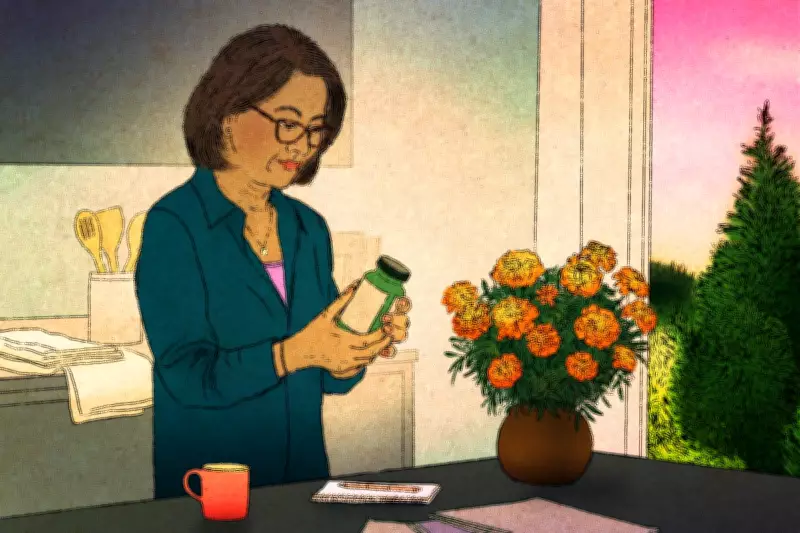
Dietary supplements, for instance, have not been proven in multiple rigorous studies to alleviate hot flashes, though many are low-cost and low-risk. Doctors recommend that patients inform their healthcare providers about any supplements or products they plan to use, allowing for monitoring and guidance. Dr. Angel highlights that not all women are candidates for hormone therapy, and alternatives like regular exercise, healthy diets, and avoiding alcohol can significantly help manage symptoms.
Skin Care Concerns and Realistic Expectations
Menopause also brings skin changes due to collagen loss and reduced hyaluronic acid. Dr. Melissa Mauskar, a dermatologist at UT Southwestern Medical Center in Dallas, advises using prescribed retinoids or over-the-counter retinols to boost collagen and reduce wrinkles. She cautions against products with excessive additive ingredients, which can cause skin sensitivity, and notes that ingestible collagen has mixed study results and may not deliver promised benefits.
Light masks, while potentially helpful with long-term use, do not provide overnight results. Dr. Mauskar emphasizes that consistent sunscreen use is crucial for preventing sun damage, a major cause of wrinkles. She advocates for tried-and-true methods backed by science over trendy, unproven products targeted at menopausal women.
Personal Experiences and Community Support
Brandi McGruder, a 49-year-old school librarian from Dallas, realized she was in perimenopause after experiencing sudden temperature fluctuations. She consulted her doctor, who prescribed an estrogen patch that provided relief. McGruder advises women to laugh, reach out to others going through similar experiences, and not take symptoms too seriously, while prioritizing medical advice over marketing claims.
Hospitals are responding to the need for support, with initiatives like menopause support groups that help women navigate the marketing onslaught. Ultimately, doctors urge women to seek professional medical help, as symptoms vary and many improve over time with lifestyle modifications and evidence-based care.