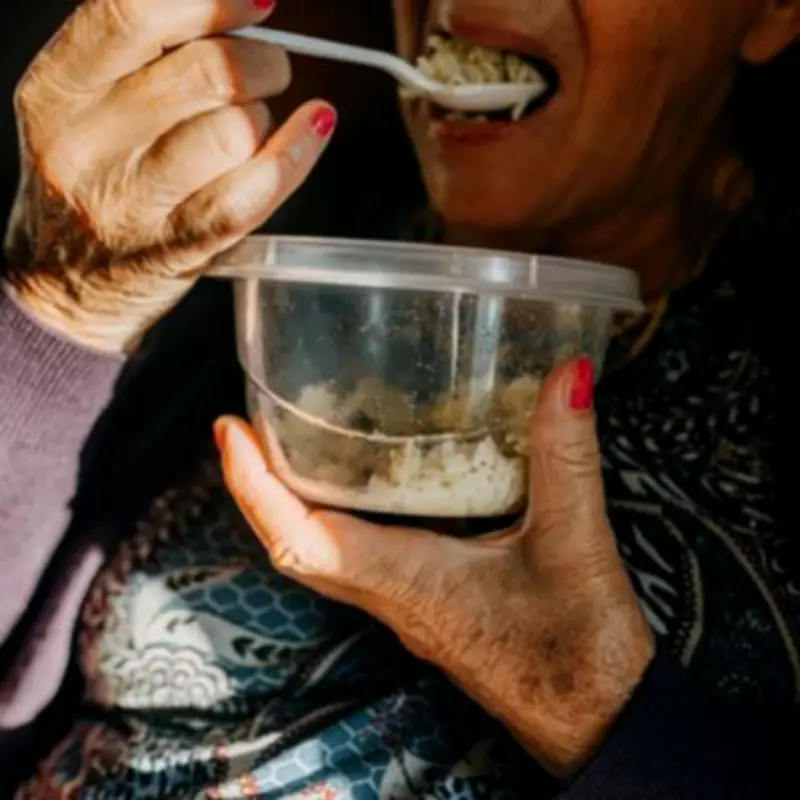
ITV's Dr Amir Khan has issued a stark warning about a common lunchtime practice, urging people to "stop doing this at lunch" due to potential health hazards. The doctor, known for his appearances on ITV and his podcast No Appointment Necessary, highlighted the risks associated with heating and storing food in plastic containers, a habit many rely on during busy days.
The Hidden Dangers of Plastic Containers
Dr Amir explained that while the risks are not "definite," they are "possible" and concerning. He emphasized that storing food in plastic containers can increase the risk of microplastics being absorbed into the food, and microwaving amplifies this danger significantly. "The plastic becomes a little bit more unstable," he noted, "and it gives off these microplastics into your food, you eat the food."
Research on Chemical Additives
Studies, including one published in the Journal of American Nutrition in 2023, have raised alarms about additives like bisphenol A (BPA) and phthalates found in plastics. These chemicals are suspected endocrine disruptors, interfering with hormones such as testosterone and estrogen. The study linked them to issues like childhood obesity, fertility problems, immune system disorders, and malignancies.

However, the scientific community remains divided on the exact dangers. Study authors pointed out that plastics are generally stable, leading to only tiny amounts of these chemicals being ingested. Yet, they cautioned that the long-term effects require further investigation due to the relatively short history of widespread plastic use in humans.
Regulatory Actions and Personal Choices
In response to these concerns, the European Commission banned BPA in food contact materials in 2024, phasing it out from products like water bottles. The UK is considering a similar ban on BPA and other harmful bisphenols, with a consultation closing in December 2025.
Dr Amir has personally changed his habits based on this knowledge, stating he no longer microwaves food in plastic containers. "Now that I know what I know about the dementia study, the carotid artery study, is something that I do not do anymore," he said. His co-host Cherry Healey echoed the sentiment, questioning the risks involved.
As research continues, Dr Amir's warning serves as a reminder to reconsider everyday practices for better health outcomes.