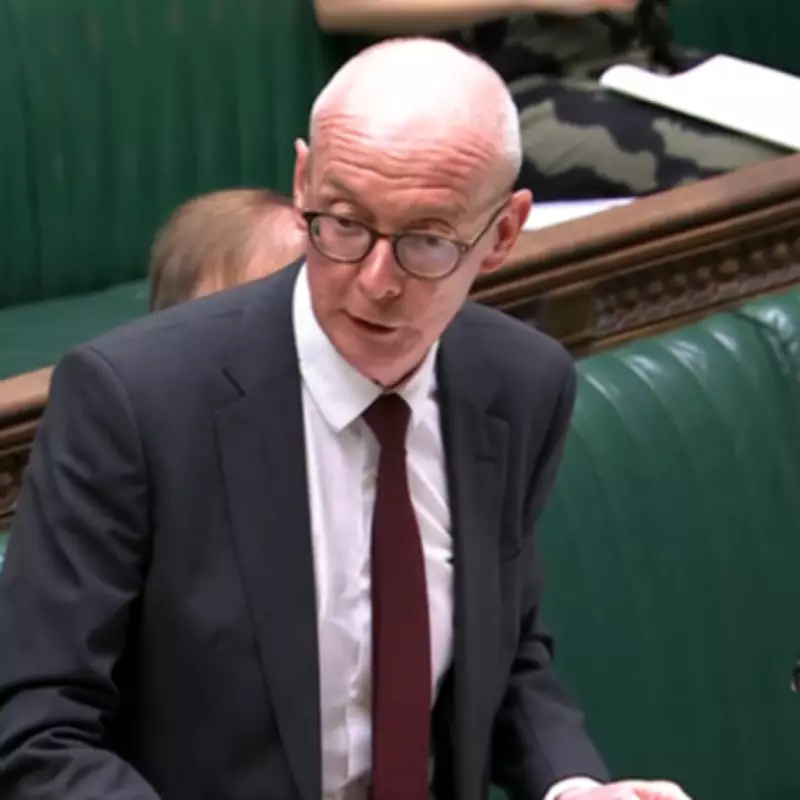
The Department for Work and Pensions (DWP) has issued a statement to Parliament detailing major changes to employment law that took effect in April 2026, impacting anyone who calls in sick. The reforms, part of the Employment Rights Act 2025, affect approximately 15 million workers across the UK.
Key Changes to Statutory Sick Pay
One of the most significant changes is that statutory sick pay (SSP) will now be paid from the first day of absence, rather than the fourth. The lower earnings limit has also been removed, meaning more employees, including low earners and those with multiple jobs, will qualify. According to Work and Pensions Secretary Pat McFadden, these changes will mean up to 1.3 million more people will be covered.
Labour MP Yuan Yang raised the issue in Parliament, stating: "I am indeed very proud of this Labour Government's historic Employment Rights Act 2025, which, from this month, means that workers will get statutory sick pay from the first day they are ill, rather than having to wait till the fourth."

Additional Provisions in the Employment Rights Act
The Employment Rights Act 2025 includes several other measures designed to improve working conditions:
- Parental leave: Paternity leave and unpaid parental leave become day-one rights, and bereaved partner's paternity leave is introduced.
- Whistleblowing protections: Disclosure of sexual harassment becomes a 'qualifying disclosure', offering protections from dismissal and detriment.
- Collective redundancy: Fines for employers who fail to consult double to 180 days' pay per affected employee.
- Trade union recognition: Simplified statutory recognition process for unions to negotiate pay and conditions.
- Record-keeping: Employers must keep records of annual leave and holiday pay.
Impact on Workers and Employers
The TUC has welcomed the changes, estimating a £10 billion boost to the economy. TUC General Secretary Paul Nowak said: "The Employment Rights Act will deliver vital common sense reforms for millions of people across the country, including sick pay for all workers from day one, banning exploitative zero hours contracts and protecting workers from harassment."
Acas, the conciliation service, has published research indicating that the new sick pay rights will have the greatest impact. Acas Chief Executive Niall Mackenzie said: "The Employment Rights Act is a major shake-up in employment law and will impact businesses and workers across the country."
Future Changes
From 1 January 2027, the qualifying period for unfair dismissal protection will reduce from two years to six months. This is a scaled-back version of the original proposal for day-one protection.
Prime Minister Keir Starmer commented: "This Government is delivering the biggest upgrade to workers' rights in a generation. Our Employment Rights Bill is good for workers, good for businesses and good for the economy."