DWP Addresses Universal Credit 'Double Pay Day' Regulations Following Parliamentary Scrutiny
The Department for Work and Pensions has released an official statement to clarify regulations surrounding the so-called 'double pay day' issue, which can impact Universal Credit claimants and potentially reduce their monthly payments. This matter has been thrust back into the political spotlight this week following a parliamentary question, prompting the government to explain the rules and outline what claimants need to know.
Parliamentary Question Brings Issue to Forefront
Labour MP for Bedford, Mohammad Yasin, directed a fresh query to the Department for Work and Pensions, specifically referencing The Universal Credit (Earned Income) Amendment Regulations 2020. His question sought assessment of the potential impact of moving double-paydays to subsequent assessment periods on working Universal Credit recipients and departmental resources, along with steps being taken to reduce impacts on both claimants and administrative systems.
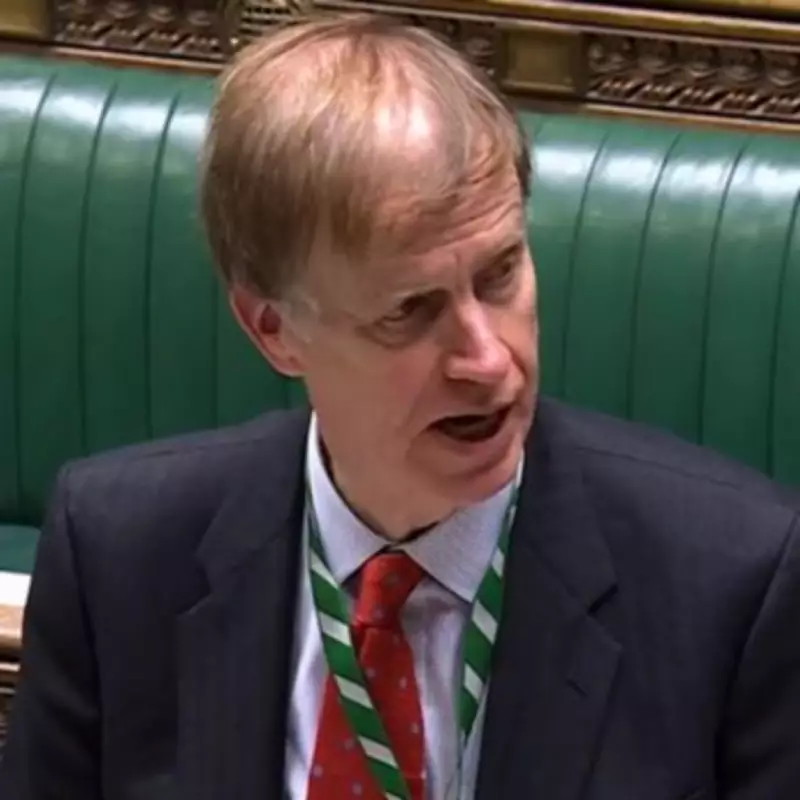
In response, Stephen Timms, Minister of State for the Department for Work and Pensions, acknowledged that receiving two sets of earnings from the same employer within a single Universal Credit assessment period can create unexpected fluctuations in a claimant's award. This situation typically occurs when a claimant's monthly payday falls very close to the end of their assessment period, resulting in two wage payments being reported through HMRC's Real Time Information system in the same month.

Regulatory Changes Implemented in 2020
The Universal Credit (Earned Income) Amendment Regulations 2020 were specifically introduced to address this issue, allowing one set of monthly paid earnings to be reallocated to a different assessment period to ensure awards are calculated fairly. This rule only applies where earnings are paid calendar monthly, and the department's assessment found that enabling this reallocation has a positive impact on working Universal Credit recipients.
By smoothing income across assessment periods, the change reduces financial volatility for the relatively small number of households affected and helps maintain a regular payment cycle. Importantly, it also prevents claimants from losing their Work Allowance in months when double reporting would otherwise occur. Most cases affected by double earnings are now identified and corrected automatically, minimizing any burden on customers and administrative pressure on the department.
Potential Consequences for Claimants
The double payday issue can trigger serious difficulties for Universal Credit recipients. According to guidance from organizations like the Royal College of Nursing, some members who work while claiming Universal Credit may find their benefits incorrectly reduced due to this phenomenon. This means they could lose work allowances worth up to £344 per month and could be incorrectly subject to the benefit cap, potentially costing hundreds of pounds each year when paydays clash with Universal Credit monthly assessment periods.
Universal Credit assessment periods run for a calendar month, starting from the date Universal Credit is awarded. At the end of each month, claimants' circumstances and income are assessed to determine their entitlement, with payment made a week later in arrears. Situations where claimants can be paid a day or two early - such as when paydays fall on weekends or bank holidays - can result in claimants being recorded as having had two paydays in one assessment period and none in the subsequent period.
Departmental Guidance and Support
Department for Work and Pensions guidelines state that Universal Credit payments are made once a month, typically directly into bank, building society or credit union accounts. Payments may include funds for rent or other housing costs, which claimants generally need to forward to their landlords. For those unable to open standard accounts, the Universal Credit helpline remains available to advise on alternative payment arrangements.

The department emphasizes that the 2020 regulations were designed specifically to address the double pay day issue and ensure fair calculation of awards for monthly-paid workers. While the problem affects a relatively small number of households, the automatic correction system now in place aims to minimize disruption for both claimants and departmental resources.