Endometriosis Diagnosis Crisis: Women Endure 'Barbaric' Surgery as Only Option
Women suffering from endometriosis across the United Kingdom are enduring what they describe as "barbaric" and invasive surgical procedures as the only reliable method for diagnosis, despite the condition affecting approximately one in ten women nationally. The current diagnostic landscape forces patients to undergo laparoscopy—a surgical operation where a small telescope is inserted into the abdomen to examine tissue—as there exists no simple, non-invasive test available. This reality persists even as endometriosis impacts a significant portion of the female population, with diagnosis delays averaging an alarming eight years.
The Human Toll of Diagnostic Delays
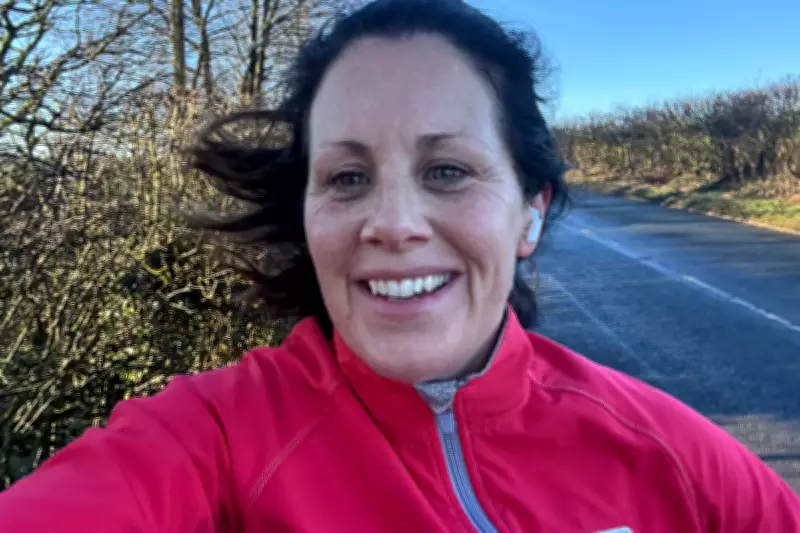
Anna Sherrington, a 48-year-old resident of Ribble Valley in Lancashire, exemplifies the struggles faced by countless women. Diagnosed with endometriosis at age 32 after years of "debilitating" pain and multiple misdiagnoses, she describes the reliance on laparoscopies as "crazy." Her symptoms included excruciating pain akin to "ice picks" digging into her lower back and excessively heavy periods requiring double tampon use. Throughout her twenties, general practitioners repeatedly misdiagnosed her condition, attributing her suffering to irritable bowel syndrome, glandular fever, and pelvic inflammatory disease.
"I spent a lot of school and college misdiagnosed," Ms. Sherrington recounted. "At one point, I was known as the girl with a poor immune system. Like thousands of other women, I had to crack on with life regardless, compartmentalising, masking the invisible illness for over a decade." Having undergone five laparoscopies and one hysterectomy, she emphasises the critical need for increased research funding in women's health. "Unless we pour money into research, this situation is not going to change. Women are currently in a queue, which is ridiculously long, and you're being medically gaslit for a lot of the time," she stated.

The Risks and Realities of Surgical Diagnosis
The invasive nature of laparoscopy carries significant risks. According to Endometriosis UK, one in every 12,000 individuals undergoing this diagnostic procedure dies from complications, while one in 500 experiences serious issues such as bowel or bladder injuries. Moreover, only about 50 percent of those who undergo laparoscopy receive an endometriosis diagnosis, highlighting the procedure's limitations and the urgent need for alternative methods.
Dr. Lucy Whitaker, a senior clinical research fellow and honorary consultant gynaecologist, explains that superficial peritoneal endometriosis—affecting 80 percent of patients—cannot reliably be detected via ultrasound scans, making laparoscopies the most dependable option currently. However, she notes the surgery's invasiveness often necessitates a two-week recovery period, disrupting patients' lives and employment.
"Patients themselves, but also researchers, clinicians, everyone involved in endometriosis care, all recognise we need a better way of diagnosing endometriosis," Dr. Whitaker affirmed. She is currently investigating non-hormonal, non-surgical treatments funded by the charity Wellbeing of Women, underscoring the broader push for innovation in this field.
Pioneering Research for Non-Invasive Solutions
In response to this diagnostic crisis, researchers at Robert Gordon University in Aberdeen are developing a potentially groundbreaking blood test aimed at enabling faster diagnoses in general practice settings. The study focuses on analysing molecular changes related to blood clotting to identify biomarkers for endometriosis. Dr. Gael Morrow, leading the research, emphasised the importance of this work: "With the long wait times and pressure the NHS is currently facing, it can be extremely frustrating for those waiting to be diagnosed and get an answer, so finding a less invasive test that can be performed quickly is a priority to improve patient care and treatment."

Despite promising advances, Dr. Whitaker cautions that current research on blood and saliva tests has involved small sample groups, limiting their reliability across diverse populations and endometriosis subtypes. "We don't have a reliable blood test, or a reliable saliva test that can be used to diagnose endometriosis in primary care," she noted. "I think we're really conscious that any of these tests coming through need to be really robustly validated to make sure that they work irrespective of the symptoms, irrespective of someone's ethnicity, or their subtype of disease."
Voices from the Frontlines
A 29-year-old hairdresser, who wishes to remain anonymous, shared her harrowing journey. Diagnosed with endometriosis at age 18 after suffering painful periods since 11, she has endured 13 operations, including multiple laparoscopies. She believes women's health is "majorly underfunded" and notes that in her experience, endometriosis tissue regrows after each surgical removal. "Every time you have surgery, you end up with scar tissue and adhesions. Then the adhesions also stick things together," she explained, highlighting the cyclical nature of surgical interventions.
Ms. Sherrington draws a stark comparison to underscore the disparity in diagnostic approaches: "If you have diabetes, you can have a quick blood test. Endometriosis is just as common as diabetes, but can't be diagnosed without laparoscopic surgery. It's almost barbaric that you have to undergo surgery. You've got a condition, and in order to get diagnosed, you have to undergo major surgery. It’s just crazy."
As the medical community and patients alike advocate for change, the call for non-invasive diagnostic tools grows louder, aiming to transform the landscape of endometriosis care and reduce the burden on women across the UK.