Eswatini's Struggle to Wipe Out Malaria as Global Cases Rise
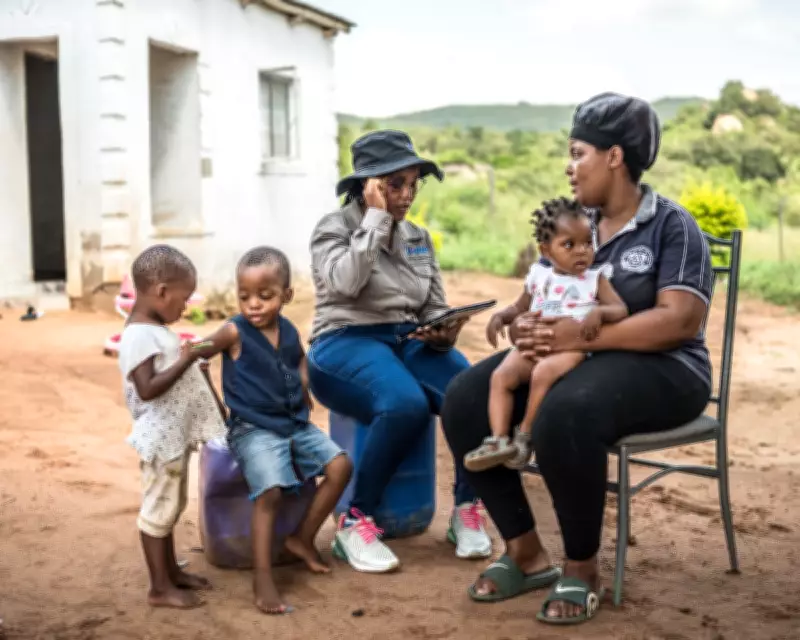
In the northern Hhohho region of Eswatini, a health team recently visited a family in Madlangempisi after malaria was detected there for the first time in four years. This incident highlights the ongoing challenges faced by the landlocked African nation in its ambitious bid to eliminate the deadly disease.
Climate and Migration Complicate Elimination Efforts
Eswatini, with a population of 1.2 million, recorded 362 confirmed malaria cases in 2024. However, neighbouring Mozambique reported a staggering 11.6 million cases, while South Africa had 4,639. Informal migration across porous borders allows the malaria parasite to travel easily in human blood, complicating eradication efforts.
Climate change is exacerbating the problem, creating better breeding conditions for mosquitoes and extending the malaria season to overlap with the sugarcane harvest. Nomcebo Dlamini, chief malaria surveillance officer, notes that extreme weather patterns, such as floods, create new breeding sites near populated areas.

Innovative Approaches at the National Insectary
At Eswatini's national insectary in Siphofaneni, Nombuso Princess Bhembe tends to a colony of mosquitoes fed on defrosted cows' blood. Her team sets daily traps at sentinel sites to monitor mosquito species and test insecticide effectiveness. "With time, we have seen change," Bhembe says, noting that malaria-transmitting species are appearing in new areas, likely due to shifting temperatures.
Rapid Response and Surveillance Strategies
When a recent case was identified in Hhohho, it triggered an immediate alert. Surveillance teams, armed with leaflets, tests, and insecticide sprays, conducted house-to-house visits. Dlamini emphasises the importance of swift action: "It is better to take rapid action now than come back in a few weeks when there might be more cases."
Homes are sprayed with insecticide every three months, but workers must ensure thorough application from top to bottom. Mosquitoes from the insectary are used to verify spraying effectiveness.
External Pressures and Future Hopes
Mark Edington of the Global Fund to Fight Aids, Tuberculosis and Malaria warns that global malaria cases have risen for six consecutive years. Aid cuts, including $1.4 billion in reductions from the Global Fund last year, are taking a toll, affecting training for health workers in Eswatini.
Health Minister Mduduzi Matsebula advocates for integrated border controls with neighbouring countries to improve health surveillance. He aims to make travel documents more accessible to reduce informal crossings. "We are ambitious about elimination and we believe it's doable," Matsebula asserts.
Despite obstacles like economic migration, climate shifts, and funding shortages, Eswatini remains committed to its goal of becoming malaria-free.