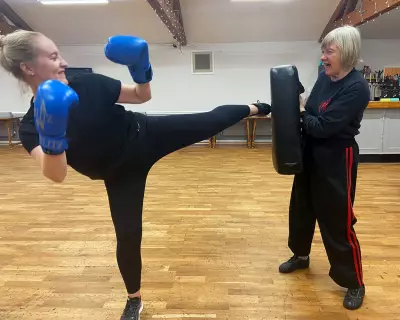
New research has unveiled a groundbreaking fitness trend that could dramatically reduce the risk of dementia and enhance overall well-being. Dubbed 'exercise snacking,' this method involves performing short, vigorous bursts of activity throughout the day, typically lasting just 5 to 10 minutes. A comprehensive study involving nearly 100,000 participants has shown that engaging in these brief sessions can lead to a staggering 63% lower risk of developing dementia, highlighting its potential as a powerful preventive health strategy.
Understanding Exercise Snacking
Exercise snacking is designed to elevate the heart rate quickly and efficiently, providing a boost to cardiovascular and metabolic health without requiring lengthy gym sessions. By incorporating these mini-workouts into daily routines, individuals can reap significant benefits, including reduced stiffness and pain, improved posture, and an increased daily calorie burn. This approach makes fitness more accessible and sustainable, especially for those with busy schedules or sedentary lifestyles.
How to Incorporate Exercise Snacking
Experts recommend simple, practical ways to integrate exercise snacking into everyday life. For instance, stepping away from a desk for a few minutes, opting for the stairs instead of an elevator, or performing subtle stretches during breaks can help build consistency. These small actions accumulate over time, contributing to long-term health improvements without disrupting daily activities.

Recommended Activities
To get started with exercise snacking, consider a variety of activities that target different aspects of fitness:
- Stretching: Such as standing back bends to enhance flexibility and reduce muscle tension.
- Cardio: Like star jumps or fast walking to quickly raise the heart rate and improve endurance.
- Strength Exercises: Such as bodyweight squats or push-ups to build muscle and support metabolic health.
By mixing these exercises, individuals can create a balanced routine that maximizes the health benefits of exercise snacking, making it an effective tool for reducing dementia risk and promoting overall physical well-being.