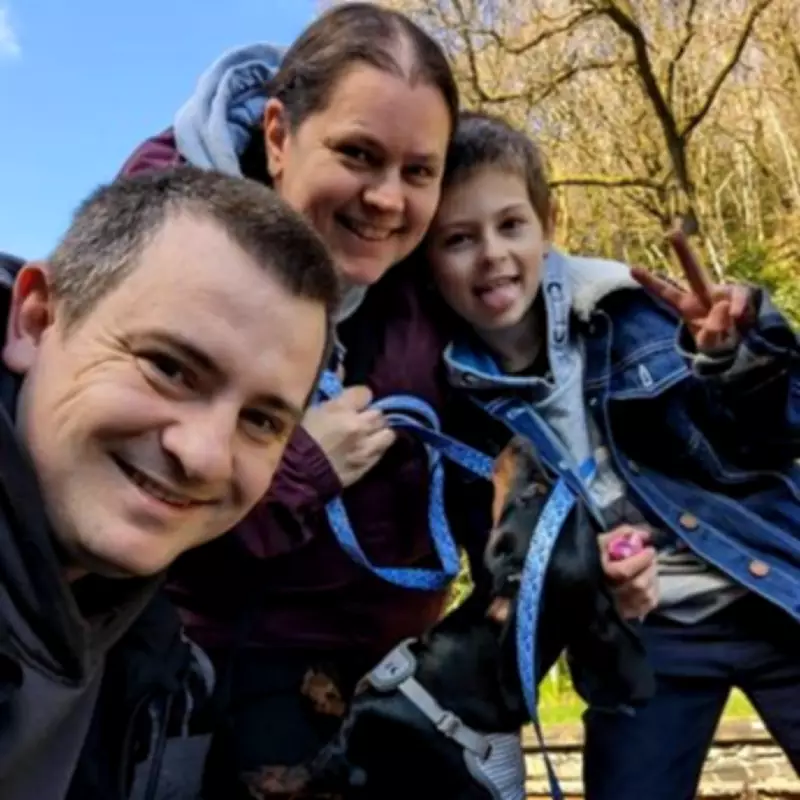
A father from Lancashire has revealed how NHS waiting times forced him to borrow over £8,000 for private surgery with the identical surgeon who would have operated on him through the public health service, simply to keep his job. David Umpleby, a 40-year-old health and safety manager from Fleetwood, has been on sick leave since November 2025 due to excruciating back pain caused by two herniated discs.
The Agonising Wait for Treatment
Despite doctors confirming he needed urgent surgery to address his debilitating condition, David was informed the operation wouldn't be available before April 2026 at the earliest due to NHS budget constraints. With his employer's sick pay set to expire by April, he faced an impossible choice: continue suffering in agony while risking unemployment or find the money for private treatment.
Financial Burden to Maintain Employment
"I feel so let down," David explained. "You pay your taxes, the NHS have said 'you need this operation' and literally because of money, I can't get it done. My employer's been really supportive but no one's going to put up with you not doing anything for 12 months, so I'm almost spending £8,000 to keep my job."

The father of one has scheduled his £8,217 surgery for February 26 at a private facility, with the same surgeon who would have performed the NHS operation. He highlighted the postcode lottery element of healthcare provision, stating: "I could be on a train with someone who had the operation on the NHS, but I can't purely due to my postcode. It's outrageous to be honest."
A Decade of Pain Culminates in Crisis
David's back problems began approximately ten years ago with intermittent discomfort, but nothing prepared him for the "absolute agony" that struck while driving home from Liverpool with his wife Donna and 12-year-old son Harry in November 2024. The pain became so severe he couldn't exit his vehicle upon arriving home.
After several days crawling around his house on hands and knees, David was admitted to Blackpool Victoria Hospital. Medical professionals suspected herniated discs, though confirmation didn't come until an MRI scan in October 2025.
From Hope to Frustration
By November 2025, David's spirits lifted when a spinal surgeon recommended an operation to address his chronic pain. "I was in the most positive place ever," he recalled. "I thought 'we've got something tangible now, it's not just me'. Going into Christmas like 'right, I've got a surgeon, we've got a plan'."
However, when two months passed without a surgery date, David contacted the private clinic scheduled to perform his NHS procedure. He was informed the provider had been instructed to limit treatments for NHS patients until the new financial year, meaning he wouldn't receive an appointment until at least April 2026, with August more likely.
The Devastating Impact on Daily Life
Since his injury, David has:
- Spent £5,000 on chiropractic treatments
- Been forced to take multiple medications including omoprezarol, praxin, co-codamol and tramadol daily
- Become unable to drive or sit upright for extended periods
- Been signed off work due to deteriorating symptoms
Doctors have warned that his current painkiller consumption is unsustainable long-term, while both driving and sitting are essential requirements for his employment.
Challenging the Priority Assessment
Health officials maintain that patients with the "highest clinical need" receive priority for operations, but David insists his condition should place him in that category. He has requested an investigation into his case by the Parliamentary and Health Service Ombudsman.
"I would not be spending money I do not have unless my condition was serious and debilitating," David stated. "These treatments were not optional luxuries - they were necessary to allow me to walk and function. If I were genuinely not a clinical priority, I would not be enduring this level of pain, functional limitation, financial hardship, and loss of employment."

Official Response and Regional Context
A spokesman for Lancashire and South Cumbria's Integrated Care Board acknowledged: "As we approach the end of the financial year, activity management plans have been put in place, which have resulted in the delivery of some procedures being postponed."
The spokesperson continued: "We are aware that some patients have received messages that are not in line with the current situation. We would like to reassure these patients that their procedures will go ahead. However, it will be later in the year."
While unable to comment on individual cases, the board confirmed procedures should be postponed rather than cancelled, with affected patients contacted directly with updated information. They apologised to those impacted and encouraged patients with worsening symptoms to contact their care provider or GP.
David's case highlights growing concerns about NHS waiting times and the financial pressures forcing patients to seek private alternatives, creating a two-tier system where those who can afford it receive timely treatment while others face prolonged suffering and potential job loss.