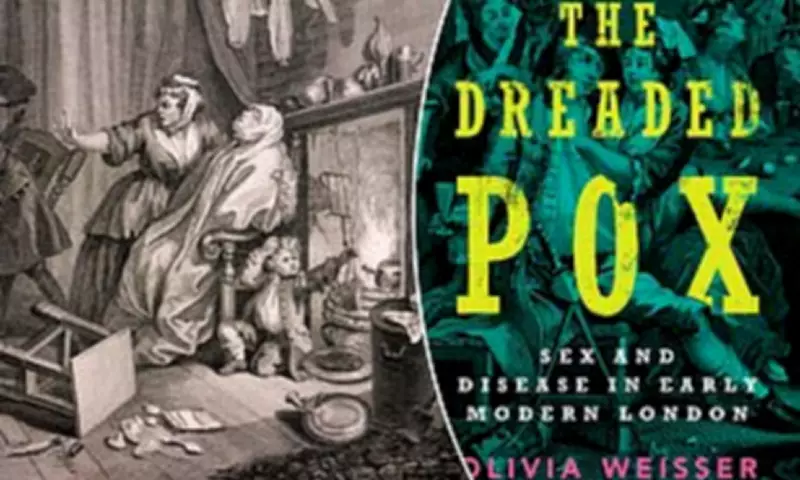
If you had taken a walk through the streets of London in the early 1700s, it would have been nearly impossible to avoid staring. Men and women of all ages, from every social class, could be seen limping and lurching with peculiar, unbalanced gaits. Some displayed oozing sores, while others, even more disturbingly, appeared to have a gaping hole where their nose once was. These unfortunate individuals were all suffering from 'the pox', the common term for venereal disease at the time.
A City Plagued by Secret Suffering
In her gruesome yet endlessly fascinating book, American professor Olivia Weisser reveals just how widespread the pox was three centuries ago. Following the Restoration of Charles II in 1660, the old Puritan prohibitions collapsed, leading to sex being openly for sale across the city. While modern medicine distinguishes between infections like gonorrhoea, syphilis, and chlamydia, in Georgian England, all were lumped together as 'the secret disease'. However, there was nothing secret about it, as symptoms were embarrassingly visible: open sores, lameness, loose teeth, and constant discharge. To make matters worse, there was absolutely no effective cure available.
Quack Remedies and Painful Punishments
Naturally, the lack of a cure did not stop people from trying desperate treatments. Venereal disease created a paradise for quacks, with the list of patent medicines growing longer each day. One remedy involved a mixture of plantain juice, rose water, and the 'milk of a woman' who had recently given birth to a baby girl. Other attempted cures were far more extreme. 'Pocky persons' were most often administered mercury, a toxic substance that induced sweating and drooling, in the vain hope that the infection would somehow be expelled from the body.

The fact that this process was so unpleasant was intentional: mercury was not only meant as a cure but also as a painful punishment. This punishment was deemed essential because the pox was inextricably linked to unauthorised sex. Arriving at a doctor's with open sores or severe limb pains was tantamount to confessing that you had been consorting with someone you shouldn't have. The cruelest cases occurred when a husband contracted the disease from a street-walker and then passed on a painful death sentence to his unsuspecting wife.
Social Stigma and Legal Battles
Lady Frances Hanbury Williams was one such unfortunate victim of a pocky husband. After months of suffering from running sores and swellings, Lady Frances finally realised the cause of her ill-health and promptly sued for divorce on the grounds of her husband's 'infamous Crime'. This was an unprecedented move in the 1740s. Most women, lacking her wealth and social status, simply had to endure wretched health while their husbands continued to feign ignorance about their activities.
In these miserable circumstances, the only recourse was often to buy fashionable facial patches to conceal the tell-tale sores and attempt to maintain appearances. By the time death arrived, as it inevitably and painfully did, many were past caring. The Dreaded Pox, as depicted in works like Hogarth's A Harlot's Progress from 1732, serves as a stark reminder of this dark chapter in medical and social history.