GP's Expert Guide to Navigating Childhood Health Concerns
Parents frequently navigate a labyrinth of anxiety when their children fall ill, with common complaints such as fevers or coughs often triggering fears of severe conditions. In an era where immediate answers are sought online, this natural concern can lead to a flood of misinformation, cautions GP Dr Nighat Arif. To counteract the pervasive influence of unreliable internet sources, Dr Arif has authored The Complete Guide to Family Health, a comprehensive resource designed to equip families with accurate medical advice.
"This book serves as a perfect antidote to Dr Google or ChatGPT, and it emerged due to the overwhelming amount of misinformation online," she explains. The guide distils over 15 years of her general practice expertise into a practical manual, covering topics from essential emergency medicine cabinet items to knowing when to call 111 and identifying crucial red flags. Dr Arif's goal is to simplify complex health issues, preventing unnecessary panic. "I've aimed to make it as straightforward as possible, so if you worry about a headache, you're not googling something that suggests a brain tumour," she states.
She notes that parents' most frequent inquiries revolve around their child's normality, whether concerning behaviour, eating patterns, or physical symptoms like a rash or persistent cough. "Is this normal or do I need to be worried and escalate this? Could this develop into pneumonia? These are some of the major concerns, and they vary significantly," she adds.

Key Childhood Health Issues and Red Flags
Here, Dr Arif offers detailed guidance on some of the most common childhood health problems that concern parents, emphasising vigilance and trust in parental instincts.
Head Injury: When to Seek Emergency Care
Children often bump their heads, making it challenging for parents to differentiate between a minor knock and a more serious injury. Dr Arif reassures that most head injuries are not severe but stresses caution, particularly with very young children who cannot articulate their feelings. "Bear in mind that there may be minimal visible damage, but there could be bleeding or swelling in the brain that you can't see," she advises.
While most children recover quickly from bumps and bruises within 24 to 48 hours, vigilant monitoring is essential. Parents should watch for concussion symptoms such as:
- Dizziness or loss of consciousness
- Vomiting or confusion
- Severe headaches
In young, non-verbal children, behavioural changes like irritability, disinterest in toys, being off their food, or increased crying can be significant indicators. "I would advise parents, you know your child best, so keep an eye on them and look for irritability," she says, urging parents to "go to A&E if you have any concerns. It's much better to get it checked out."
Fever: Understanding the Body's Defence Mechanism
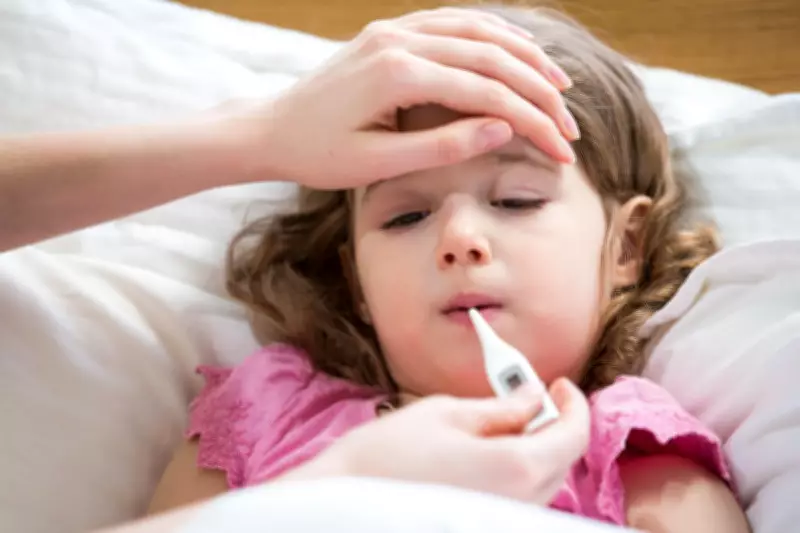
Fevers are the body's natural defence against infection. While a high temperature accompanied by other symptoms can signal a serious condition, Dr Arif explains that often, a fever simply indicates a healthy immune system at work. "It's usually nothing to worry about," she says. However, specific red flags demand urgent medical attention, such as if a baby under three months has a temperature above 38°C or below 36°C.
General fever management varies with the child's age and temperature. Dr Arif warns, "Fevers are more serious in babies. If you are worried, trust your instincts and go to your nearest hospital – this also applies to children over five years old and adults."
Eczema: Effective Management Strategies
Eczema, characterised by dry, scaly, and itchy skin patches, is a common childhood condition. While there's no cure, effective management is vital to prevent scarring or infection. "I see a lot of eczema; it's so common and a bane on parents' lives," Dr Arif notes. The primary treatment involves consistent application of moisturising emollient creams.

"Emollients, emollients, please apply repeatedly throughout the day with your child," she emphasises. She also suggests investigating potential dietary triggers, such as milk or gluten intolerance, as skin issues can sometimes stem from internal problems. If emollients are insufficient or concerns persist, parents should consult a doctor. "Don't just sit on eczema, because it can be investigated further," she advises.
Coughs: Identifying When to Seek Medical Help
Most coughs seen in general practice are viral, yet they can cause significant worry for parents. Dr Arif highlights key red flags: a persistent high temperature despite paracetamol, and insufficient fluid intake (monitor wet nappies in infants). She clarifies that viral coughs do not require antibiotics and can linger for two to three weeks.
If a cough persists beyond three weeks in children or adults, medical consultation is recommended, as a chest x-ray might be needed to rule out underlying conditions like undiagnosed asthma. "It's all about TLC," she says, encouraging parents to trust their intuition. "If they feel their child is really struggling with breathing, come in and let a doctor have a look."
Parental Vigilance: Trusting Your Instincts
As a mother of three herself, Dr Arif reassures parents that they should never fear overreacting to their children's symptoms. "It's easily done where you can miss the signs in your children – and I say that as a mother and a doctor," she admits. "I tell parents you're just being vigilant – you're fulfilling the role you're assigned to do, assessing what's normal and what's not normal. Nobody knows your child better than you do."
The Complete Guide to Family Health by Dr Nighat Arif is published in hardback by Hamlyn, priced £22, and is available now.