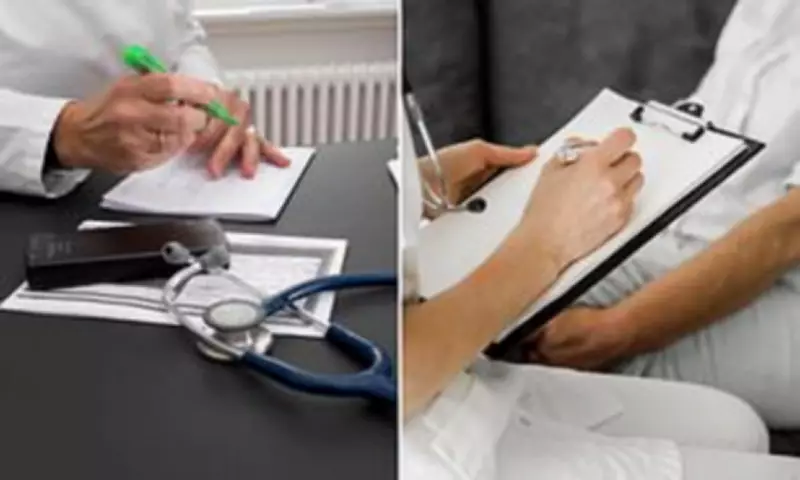
Are GPs Failing as Gatekeepers by Rarely Saying No to Patients?
A recent BBC survey, involving over 750 family doctors, has uncovered a startling trend: 72 per cent of GPs report they have never refused a patient's request for a sick note. This finding raises profound questions about the role of general practitioners in today's healthcare system. Are they losing their ability to act as gatekeepers, or are they simply bowing to increasing patient demands?
The Alarming Scale of Fit Note Issuance
Last year, more than ten million fit notes were issued across the UK, with nearly one in ten citing severe mental health or behavioural disorders that allegedly prevented patients from working. The BBC survey suggests that GPs rarely interrogate the validity of these claims. In many cases, they do not even see the patient before issuing the note. One GP admitted that for repeat patients, no consultation is booked; instead, a pop-up reminder prompts them to issue the paperwork automatically.
This practice implies that nearly one million people in the UK last year—one in 40 of the working-age population—were deemed too affected by mental health issues to work. But is this truly reflective of reality, or are GPs increasingly enabling a culture of over-diagnosis?

The Ripple Effect on Children and Education
As a teacher, I witness daily how this trend impacts children. Pupils frequently cite GP diagnoses, such as anxiety or autism spectrum disorder (ASD), as reasons for avoiding school or social interactions. NHS data shows that one in five children had a probable mental health condition in 2023, up from one in eight in 2017. However, many of these cases may have alternative explanations, like challenging home environments or school difficulties.
Take Sandie, a 14-year-old pupil diagnosed with ASD at age 12. She later revealed that her behaviour stemmed from a turbulent home life, not mental illness. After moving in with her aunt due to her father's struggles, she acted out, leading to referrals to specialists. In a brief assessment, she was labelled autistic, but two years on, she doubts the diagnosis and seeks to prove she is "OK."
Systemic Flaws in Diagnosis Processes
GPs often use standard questionnaires for initial assessments before referring patients to services like the Child and Adolescent Mental Health Service (CAHMS). However, these tools are easily manipulated. Patients or families can prepare answers from online sources or AI chatbots, skewing results. This lack of rigour, combined with GPs' reluctance to refuse referrals for fear of damaging doctor-patient relationships, creates a pathway to over-diagnosis.
Unlike physical symptoms, which require thorough examination, mental health issues often receive a free pass. GPs argue that specialists are better equipped for diagnoses, but this passing of responsibility can trap children in a medicalised identity. Once labelled, they may internalise the disorder, avoiding underlying issues like poor lifestyle habits or emotional struggles.
Real-World Consequences and Financial Incentives
Another pupil, Kelly-Jane, was diagnosed with autism at 11 after struggling with a chaotic secondary school. Her parents paid £1,800 for a private assessment, leading to an Education, Health and Care Plan (EHCP) for autism. In 2025, she joined 149,000 children in England and Wales with such plans, which provide financial support until age 25 or full-time employment.
This system disincentivises educational firms from encouraging employment, as funding stops if pupils leave full-time education. Consequently, young people like Kelly-Jane and Sandie risk losing ambition and may rely on benefits long-term, a situation described as a national scandal.
Expert Opinions and the Need for Change
Dame Uta Frith, an emeritus professor in cognitive development at University College London, has criticised the broadening of autism diagnoses, stating the spectrum concept has become "meaningless" as a medical tool. Yet, vague GP guidelines, such as describing autism as "abnormal social approach," contribute to over-diagnosis by conflating typical teenage behaviour with disorders.

While GPs face immense pressures, they must reclaim their role as assessors, not enablers. The current lack of scrutiny and willingness to say no is setting up a generation for failure, undermining both individual potential and public health integrity.