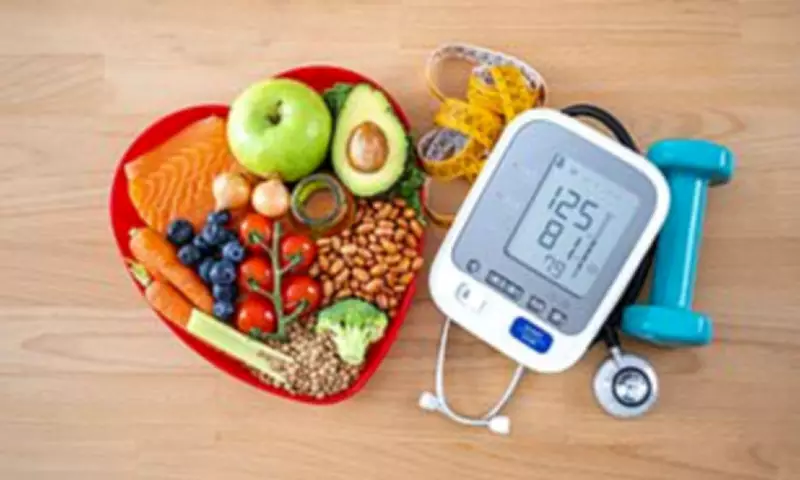
The Silent Epidemic: Hypertension's Hidden Dangers
One in three adults across the United Kingdom is currently living with high blood pressure, a medical condition formally known as hypertension. This widespread health issue operates as a silent predator within the body, frequently presenting no noticeable symptoms while systematically increasing the likelihood of catastrophic health events including heart attacks, strokes, kidney failure, and various forms of dementia.
Because hypertension typically manifests without warning signs, countless individuals remain completely unaware of their condition until irreversible damage has already occurred to vital organs. Medical professionals stress that early detection through regular monitoring could prevent the majority of these dangerous outcomes, yet concerning NHS statistics reveal a troubling pattern: approximately one quarter of younger adults with diagnosed hypertension are failing to manage their condition effectively, compared to just one in seven older patients.
The Genetic and Lifestyle Factors
While hypertension demonstrates a strong hereditary component, often running through family lines, healthcare experts emphasize that environmental and lifestyle factors play an equally significant role. The encouraging news is that numerous straightforward, evidence-based approaches exist to reduce blood pressure readings, frequently without requiring pharmaceutical intervention.

Commonly referred to as the 'silent killer,' high blood pressure inflicts gradual but persistent damage to the body's arterial network. The sustained pressure places excessive strain on blood vessels, compromising their delicate inner lining, causing them to stiffen and narrow, and triggering inflammatory responses throughout the cardiovascular system.
'This disruption compromises the function of essential organs including the eyes, brain, and reproductive systems, potentially causing permanent impairment if left unaddressed,' cautions Dr. Teresa Castiello, an NHS consultant cardiologist.
Vision Loss: The Ocular Consequences
Beyond its well-documented cardiovascular threats, hypertension poses a serious risk to visual health. The condition can severely damage the minute, fragile blood vessels within the eyes, leading to hypertensive retinopathy, blurred vision, and in severe cases, irreversible sight loss.
Additional ocular complications include fluid accumulation beneath the retina (choroidopathy), optic nerve damage, and increased susceptibility to glaucoma. Alarmingly, these changes frequently develop without obvious symptoms until substantial damage has already occurred, making routine eye examinations critically important for early detection.
'It may be surprising, but the eyes provide a window to cardiovascular health,' explains Dr. Ify Mordi, a British Heart Foundation Research Fellow at the University of Dundee and consultant cardiologist. 'Damage or narrowing of retinal blood vessels often indicates similar issues in vessels supplying the heart, substantially elevating heart attack and stroke risks.'
Neurological Impact and Cognitive Decline
Hypertension significantly contributes to dementia development and general cognitive impairment. The condition can precipitate transient ischemic attacks (TIAs), commonly known as mini-strokes, caused by temporary interruptions in cerebral blood flow. Typically associated with damaged and narrowed blood vessels, these episodes may pass quickly but serve as crucial warning signs.
Characterized as 'warning strokes,' TIAs frequently precede more severe, potentially fatal strokes, making immediate medical attention essential. Research indicates that controlling blood pressure through medication and lifestyle adjustments represents the most effective strategy for reducing this risk.
Scientific investigations have revealed the profound long-term neurological consequences of hypertension. A comprehensive study identified nine specific brain regions damaged by elevated blood pressure, connecting the condition to memory deterioration and declining cognitive abilities. This damage disrupts crucial neural connections between different brain areas, helping explain hypertension's role in dementia development, including Alzheimer's disease progression.

Sexual Dysfunction: The Unspoken Consequence
Among hypertension's less frequently discussed effects is sexual dysfunction, affecting both men and women. Elevated blood pressure damages vascular structures and restricts genital blood flow, impairing erectile function in men and interfering with ejaculation.
For women, hypertension can cause reduced vaginal lubrication, diminished libido, and orgasmic difficulties due to compromised blood circulation to genital tissues. Certain antihypertensive medications, including propranolol and metoprolol, may exacerbate these issues by decreasing heart rate and blocking neural signals necessary for sexual arousal.
Practical Strategies for Blood Pressure Reduction
Know Your Numbers
The foundational step involves regular blood pressure monitoring through GP surgeries, pharmacies, or home testing devices. Blood pressure readings consist of two values: systolic pressure (during heartbeats) and diastolic pressure (between beats). Measurements exceeding 140/90 mmHg require medical intervention.
Routine eye examinations prove equally valuable, as optometrists can identify early vascular damage before symptoms emerge.
Incorporate Fermented Foods
Fermented foods including kimchi, kefir, sauerkraut, and miso offer benefits beyond digestive health. Research demonstrates they can significantly reduce both systolic and diastolic blood pressure readings by breaking down fatty acids and lowering cholesterol levels.
The microbial content enhances gut bacterial diversity, improving digestion, strengthening immune responses, and increasing overall gastrointestinal resilience. Fermentation also elevates beneficial nutrient concentrations like polyphenols, which fortify gut barriers, support immune function, and reduce bodily toxins.
Emerging evidence highlights the 'gut-heart axis' connection, with short-chain fatty acids produced during bacterial fiber breakdown demonstrating positive cardiovascular effects.
Adopt the DASH Diet
The Dietary Approaches to Stop Hypertension (DASH) eating plan represents one of the most effective non-pharmaceutical interventions, demonstrating results within three weeks. This nutrition strategy emphasizes reduced salt, sugar, and saturated fat consumption while increasing fruit, vegetable, whole grain, and lean protein intake.
The DASH diet helps relax blood vessels and decrease cardiac strain, with studies indicating it can reduce heart attack and stroke risks by up to twenty percent. Rather than focusing on food elimination, this approach encourages incorporating healthier options that naturally displace less nutritious choices.
Embrace Regular Movement
Comprehensive gym memberships aren't necessary for blood pressure improvement. Regular physical activity strengthens cardiac muscle, enhances oxygen utilization efficiency, lowers blood pressure, and reduces excess body fat associated with serious health complications.
The NHS recommends minimum weekly activity of 150 moderate-intensity minutes, but recent research indicates even brief 'exercise snacks'—five-minute activity bursts twice daily—can substantially improve cardiovascular fitness. These manageable interventions, including stair climbing, brief walks, or increased daily movement, correlate with reduced heart disease, heart attack, and premature mortality risks.
Eliminate Tobacco Use
Smoking cessation represents one of the most impactful steps for blood pressure management. Tobacco use contributes to approximately one-third of all heart disease fatalities and serves as a primary driver of sustained hypertension.
Each cigarette triggers immediate blood pressure spikes while introducing toxic chemicals that damage vascular structures, promote inflammation, and accelerate arterial plaque accumulation. This process increases clotting probability and dramatically elevates heart attack and stroke risks.
For individuals with existing hypertension, smoking intensifies arterial damage and places additional strain on cardiac function. Professor Kunadian compares smoking to 'pouring fuel on the fire,' noting that inhaled toxins directly compromise cardiovascular health. Fortunately, quitting rapidly begins reversing damage, helping normalize blood pressure and reducing life-threatening complication risks.
Moderate Alcohol Consumption
Medical professionals recommend alcohol moderation for hypertension prevention. Research indicates blood pressure elevations begin with just one daily alcoholic beverage, while consuming more than three drinks simultaneously causes temporary spikes.
Regular consumption exceeding four drinks interferes with the brain's blood pressure regulation capacity, potentially causing long-term hypertension. Reduced alcohol intake supports weight management, further decreasing blood pressure readings.
While complete abstinence may prove unrealistic for many individuals, risk escalates with each additional drink. The British Heart Foundation advises limiting weekly consumption to fourteen units while avoiding binge drinking patterns to protect cardiovascular health.