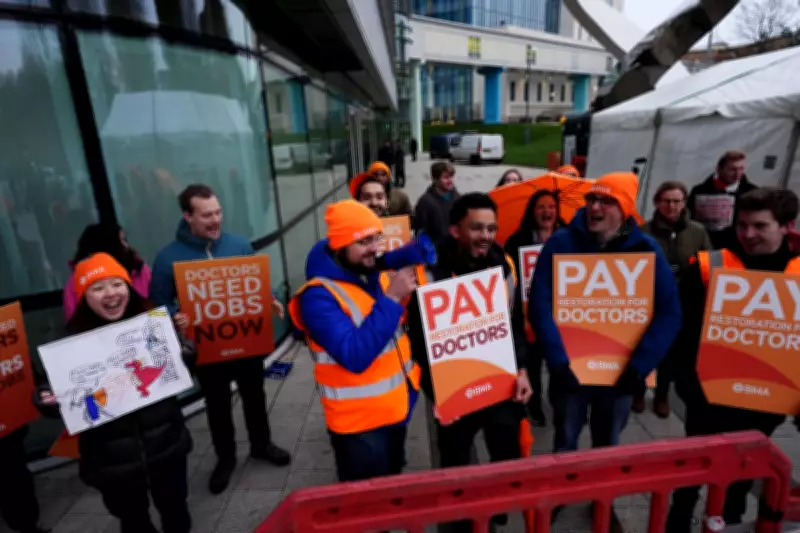
Intense negotiations between junior doctors and the Government are poised to continue as both sides work to prevent a major strike scheduled for early April. The Prime Minister, Sir Keir Starmer, has issued a deadline for the British Medical Association's junior doctors committee to reconsider a proposed agreement on pay and employment conditions.
Strike Threat Looms Over NHS
The dispute centres on a deal that includes an offer to create thousands of additional NHS training positions over the next three years. However, this proposal will be withdrawn if junior doctors in England proceed with a planned six-day walkout from April 7th. This strike would mark the 15th round of industrial action by junior doctors since 2023, adding to the ongoing strain on healthcare services.
Government's Ultimatum and Doctor's Response
In a letter published in The Times, Sir Keir Starmer urged junior doctors to accept the deal, warning that rejection would leave them worse off with only a standard pay award and no reforms to improve working conditions. He emphasised that no one benefits from turning down the agreement, which aims to enhance pay, career progression, and support systems.

Dr Jack Fletcher, chairman of the BMA's junior doctors committee, criticised the Government's approach, stating it is wrong to withhold desperately needed jobs as part of negotiation tactics. He highlighted that patients urgently require the 4,000 new positions and expressed willingness to continue discussions up to the last minute to resolve the dispute. Dr Fletcher asserted that a deal is achievable if the Government reverses last-minute changes that reduced funding for pay increases.
Escalation by Senior Medics
Simultaneously, senior medics are escalating their own disputes with the Government. Consultants and other senior doctors will be balloted on industrial action after ministers announced a 3.5% pay award. Ballots for consultants and specialist doctors are scheduled to run from May 11th to July 6th, indicating broader unrest within the medical profession.
NHS Preparedness and Challenges
NHS England boss Sir Jim Mackey confirmed that the offer to expand training places will be removed from the table if an agreement is not reached. The potential strike, set to occur during the Easter holidays, poses significant challenges due to shorter notice periods and bank holidays affecting staffing resources.
In a letter to health leaders, Mike Prentice, national director for emergency planning at NHS England, warned that the strike would place a substantial strain on staffing, making it difficult to provide safe cover. The timing exacerbates existing pressures on the healthcare system, raising concerns about patient safety and service delivery.
As talks persist, the outcome will have far-reaching implications for NHS staffing, patient care, and industrial relations in the health sector. Both sides remain engaged in a high-stakes negotiation with the clock ticking toward the April deadline.