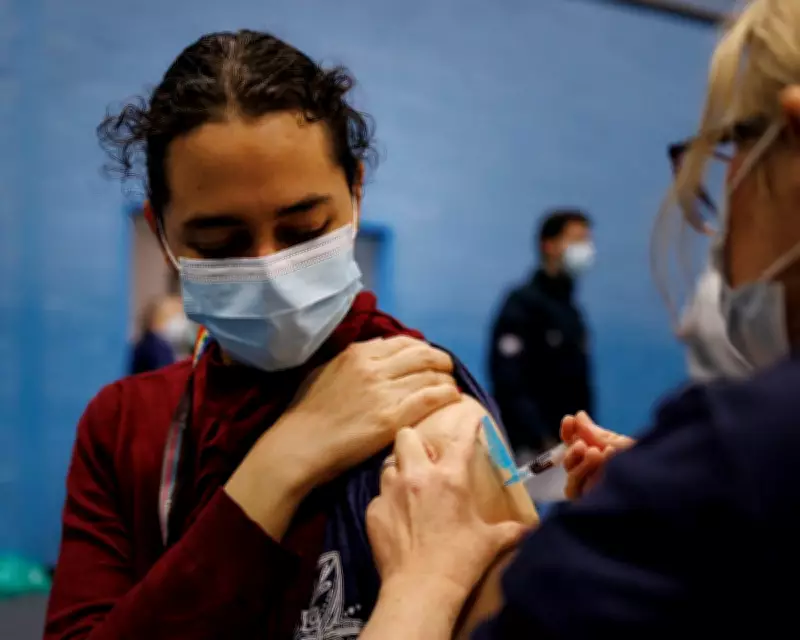
Meningitis Outbreak in Kent Demonstrates Post-Covid Unity and Effective Public Health Response
In March 2026, a student at the University of Kent in Canterbury received the meningitis B vaccine, marking a critical moment in the containment of a local outbreak. This event has provided a surprising and hopeful insight into Britain's post-pandemic landscape, suggesting that society is not as fractured as many had feared following the Covid-19 crisis.
Learning from Past Mistakes: A Coordinated Government Approach
Roughly six years after the UK's first Covid-19 lockdown, questions lingered about preparedness for future pandemics. The stringent measures from 2020 to 2022, coupled with political scandals, had fueled backlash against public-health interventions, scientific research, and vaccines, eroding trust in government. Experts like Prof Devi Sridhar, chair of global public health at the University of Edinburgh, often wondered if the public would heed advice during another disease outbreak.
When meningitis B alarms sounded in Kent, concerns arose about potential public fatigue and distrust. However, the response has been notably positive. The UK Health Security Agency (UKHSA) led a coordinated, speedy effort, identifying the causal agent as meningitis B, linking cases to a nightclub source, tracing exposures, and offering prophylactic antibiotics. The absence of wider transmission and unlinked cases indicates that containment measures have worked effectively.

Targeted Vaccination and Clear Messaging
Once UKHSA laboratories identified the bacterial cause and validated the vaccine against the Kent strain, a targeted vaccination campaign was launched for those most at-risk. Health Secretary Wes Streeting announced plans to convene technical experts to assess the need for a broader MenB vaccine rollout. Despite initial missteps, such as delays in NHS reporting to UKHSA, government messaging was largely clear, providing practical guidance on symptoms and encouraging NHS care-seeking.
This competence in public-health response deserves recognition, with Prof Sridhar noting it as a rare opportunity to commend politicians and agencies like UKHSA for a job well done.
Community Engagement and Youth Leadership
The real story, however, lies in the willingness of individuals and communities to engage. Young people, often perceived as the least compliant demographic, followed guidance on antibiotics, vaccination, and reduced social mixing. Reports even suggest they went beyond formal advice by adopting mask-wearing. Far from showing apathy, many across the country sought more information from government and demanded additional vaccination clinics for youth.
This response indicates that Covid-19 may have heightened public alertness to infectious disease dangers, fostering a proactive attitude towards containment rather than fatigue.
Key Takeaways for a Hopeful Future
For experts, policymakers, and the public, this outbreak offers several hopeful insights:
- First, it is crucial not to conflate online algorithms or anti-vax influencers with the general population's attitudes.
- Second, people possess a strong instinct to protect themselves and others from disease, looking to government for direction, public-health teams for action, and experts for independent evidence.
- Third, while narratives of a "broken Britain" persist, the Kent outbreak highlights a "community-minded Britain," where cooperation in the face of shared health risks remains intact.
From this single outbreak, we are reminded that, deep down, societal care and unity endure, challenging divisive fears and reinforcing the importance of collective health efforts.