In Canterbury, a meningitis outbreak has plunged the University of Kent into chaos, with students queueing for antibiotics and describing scenes of widespread panic as the term concludes. The outbreak, which has claimed the lives of two young individuals—a university student and a sixth-former—has prompted authorities to move all in-person exams online in an effort to control the situation.
Fear and Flight Among Students
Joe Bradshaw, 23, realised he had been linked to the outbreak after a night out at Club Chemistry, a local nightclub. Reflecting on his contacts over the past week, he expressed greater concern for vulnerable people, such as his mother who recently underwent surgery, than for his own health. This sentiment echoes across the student community, where many have fled campus overnight, with parents arriving to collect them amid the escalating crisis.
Queueing for Protection
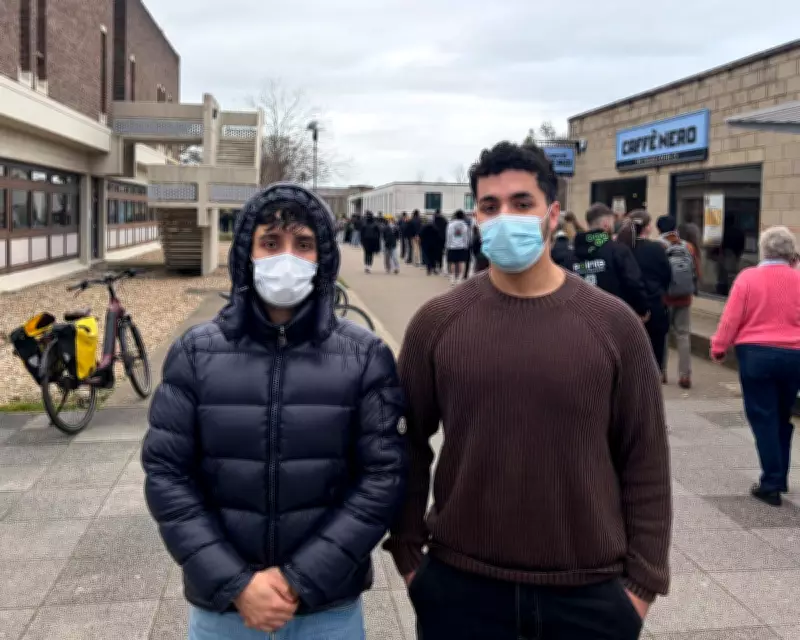
Hundreds of students spent the day queueing on campus to receive antibiotics, a preventive measure advised by health officials. Aram, a 22-year-old criminology and politics student, described his anxiety while waiting in line, noting he lives in Tyler Court where urgent warnings about potential infection contact were issued. "I'm like half a metre away from these people, so I was pretty nervous," he said, adding that most of his flatmates had already left, leaving him alone.

Students reported witnessing frantic departures, with peers running down stairs carrying televisions and other belongings to pack into parental cars. The dense social environment of university life has facilitated the rapid spread of fear, with many connecting themselves to the infection through friends or acquaintances. For instance, one of Aram's friends shares a flat with someone hospitalised with meningitis, while another student anxiously texts a lacrosse teammate whose flatmate exhibits symptoms.
Impact on Schools and Community
The outbreak has not been confined to the university; it has also affected three schools in the area. One of the fatalities was Juliette, a year 13 student at Queen Elizabeth's Grammar School, remembered by classmate Sammy Wright as a "bright character, always very happy, kind." Sammy expressed shock at the news, highlighting the broader community impact beyond the campus.
Institutional Response and Student Concerns
Ben Tostevin, a drama and theatre student, voiced surprise that the campus remained open despite the outbreak. While generally supportive of the university's actions, he questioned the decision, stating, "It's uni leadership doing what they think needs to be done." His friend, Sofia Malanga, pointed to social media as a catalyst for heightened fear, describing online posts and videos as "terrifying" and accusing them of "overegging certain things," such as clips showing people in white hazmat suits on campus.
Amid the turmoil, students have rallied together, frequently checking on each other's well-being. The UK Health Security Agency (UKHSA) has issued advice, urging anyone suspecting meningitis, septicaemia, or sepsis to call 999 or visit the nearest A&E immediately.
As the situation unfolds, the University of Kent community grapples with grief and anxiety, with the shift to online exams marking a significant disruption to academic life. The outbreak underscores the vulnerabilities of young people in close-knit social settings, prompting calls for vigilance and swift public health responses.