Los Angeles County Battles Record Surge in Flea-Borne Typhus Infections
Public health officials in Los Angeles County have issued urgent warnings following a dramatic spike in flea-borne typhus cases, with infections reaching unprecedented levels in 2025. The county documented 220 confirmed cases last year, marking a significant increase from 187 cases in 2024 and setting a new record for the region. This alarming trend has raised serious concerns among medical professionals and local authorities, who are now intensifying efforts to curb the spread of this potentially serious bacterial disease.
Hospitalization Rates and Demographic Impact
Nearly nine out of every ten individuals infected with typhus required hospitalization, highlighting the severe nature of the outbreak. Cases have affected residents across a broad age spectrum, from infants as young as one year old to elderly adults up to 85 years of age. The widespread impact underscores the vulnerability of diverse populations to this flea-transmitted illness, which does not spread from person to person but poses a significant public health threat through environmental exposure.
Understanding Flea-Borne Typhus and Its Transmission
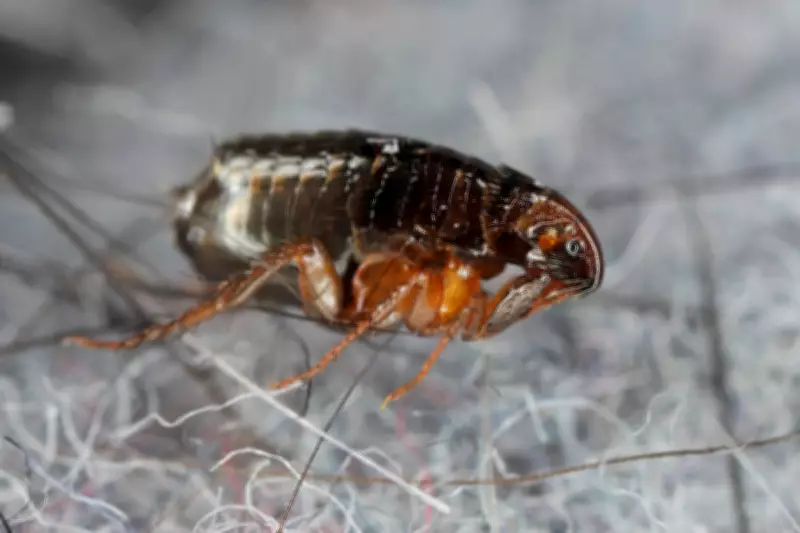
Flea-borne typhus is caused by the bacterium Rickettsia typhi and is primarily transmitted through fleas that have fed on infected animals such as rats, stray cats, or opossums. According to the Centers for Disease Control and Prevention, humans can contract the disease when flea feces come into contact with open wounds, scrapes, or the eyes. Fleas can be inadvertently brought indoors on pets or other animals, facilitating the spread of the bacteria in residential settings.

Historical Trends and Current Outbreak Areas
The number of typhus cases in Los Angeles County has shown a concerning upward trajectory in recent years. Records indicate 141 cases in 2021, which rose to 171 in 2022. Although there was a temporary decline to 124 cases in 2023, the numbers surged again in 2024 and peaked in 2025. Health officials are currently investigating three concentrated outbreak zones: Central Los Angeles, Santa Monica, and the Willowbrook neighborhood, where infections have clustered notably.
Seasonal Patterns and Symptoms of Infection
While typhus infections can occur at any time of year, cases typically spike in late summer and fall due to warmer temperatures that increase flea activity. Symptoms usually develop within one to two weeks after exposure and may include fever, headaches, nausea, and rashes. The disease is treatable with antibiotics, especially when diagnosed early, but delayed treatment can lead to complications requiring hospitalization.
Protective Measures and Public Health Recommendations
Since animals can carry infected fleas without showing signs of illness, health officials emphasize proactive prevention strategies. Key recommendations include:
- Applying year-round flea control treatments to pets
- Keeping pets indoors whenever possible to reduce exposure
- Avoiding contact with stray animals and wildlife
- Securing trash bins to deter rodents and other animals
Residents are advised to report sightings of stray animals, rodents, or opossums near their properties to local animal control agencies. Prompt reporting enables authorities to manage potential disease risks and mitigate the spread of fleas that can carry typhus, helping to protect community health.