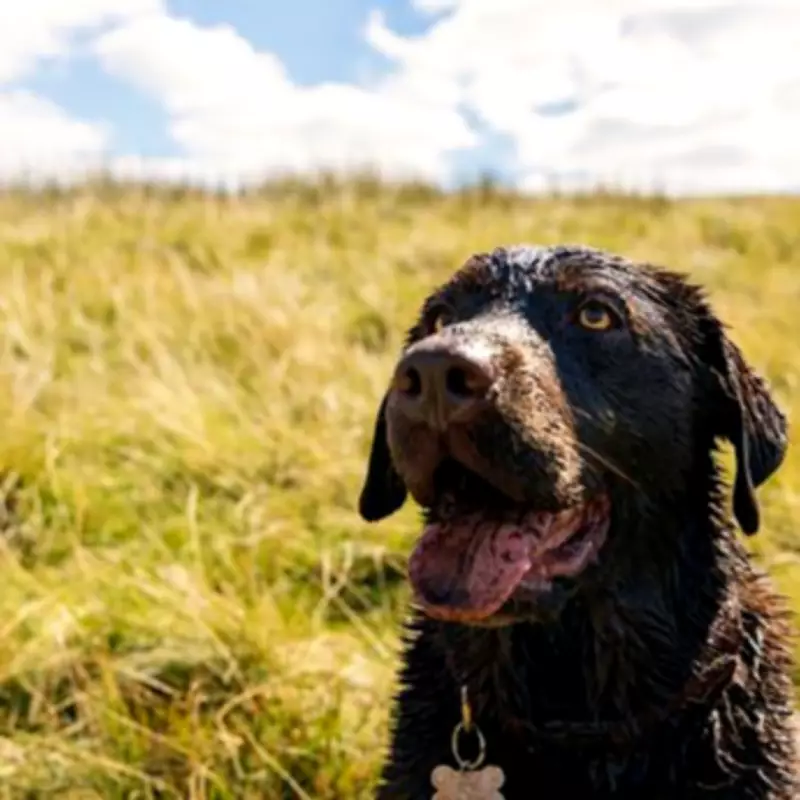
Life-Threatening Disease Alert for Dog Owners Over Muddy Walk Risks
Dog owners enjoying spring woodland walks have been issued with an urgent health warning about a rare but potentially fatal disease that appears to be linked to wet, muddy conditions. The Royal Kennel Club has raised the alarm about Alabama rot, officially known as cutaneous and renal glomerular vasculopathy (CRGV), which causes severe damage to a dog's skin and kidneys.
Understanding Alabama Rot and Its Potential Causes
While veterinary researchers have not yet identified the exact cause of Alabama rot, the Royal Kennel Club reports that cases appear to be increasing across the United Kingdom. The organization emphasizes that early recognition of symptoms and immediate veterinary intervention could prove life-saving in emergency situations.
The Royal Kennel Club explained: "We don't yet know what causes Alabama rot, so diagnosing and treating an affected dog can be very challenging. Current research suggests that wet, muddy conditions may somehow be connected to what triggers this condition. Many of the dogs that have died from Alabama rot had been walking in muddy woodland areas during winter and spring months just before becoming ill."

The organization continued: "Alabama rot is a well-publicized but very rare disease that is known to have affected approximately 150 dogs in the UK between November 2012 and March 2018. Reports of Alabama rot seem to be increasing, which could be because more dogs are becoming affected, or because veterinarians and owners are becoming more aware of the condition."
Recognizing the Symptoms of Alabama Rot
According to the Royal Kennel Club, most cases are reported between November and May, though some incidents do occur during warmer months. Dog owners should watch for two primary categories of symptoms:
- Skin abnormalities: Ulcers, sores, and marks typically appearing on legs or paws that may resemble cuts, bruises, stings, open sores, or areas of redness
- Kidney failure indicators: Increased thirst and urination, vomiting, severe lethargy, lack of appetite, significant weight loss, and bad breath
The Royal Kennel Club urges pet owners to contact their veterinarian immediately if they suspect Alabama rot. While these symptoms could have many causes, and most frequently won't be related to Alabama rot, in some cases they could indicate the presence of this dangerous disease.
Prevention Strategies and Statistical Data
The Royal Kennel Club acknowledges there is no guaranteed method to prevent Alabama rot since the cause remains unknown. However, the organization recommends specific precautions for owners walking dogs in muddy or woodland areas:
- Keep your dog away from extremely muddy areas whenever possible
- Wash and thoroughly dry your dog after walks if they become wet or muddy
According to data from the British Veterinary Association (BVA), at least 318 cases of Alabama rot have been confirmed post-mortem across the UK since November 2012. The BVA noted: "There appears to be a seasonal distribution with Alabama rot, with over 90% of cases being identified between November and May. On this basis, it is possible that there is an environmental trigger; however, this is unlikely to be the full story and it may be that certain dogs are predisposed to developing the disease."
The BVA added that concerned dog owners can check online resources to see if any confirmed cases have been reported near their local area, providing valuable information for assessing potential risks during daily walks with their pets.