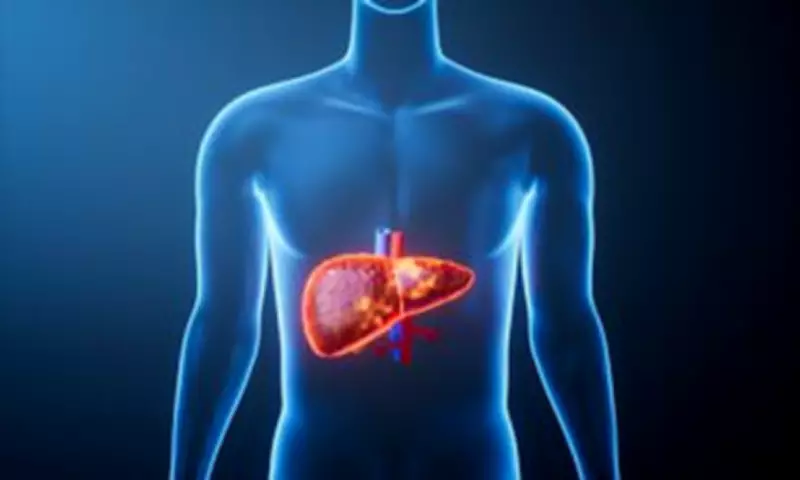
Liver disease is experiencing a dramatic global surge, with research predicting it could affect nearly 1.8 billion people by the year 2050. This alarming projection highlights a significant shift in the nature of the condition, which was once primarily associated with heavy alcohol consumption.
The Rise of Non-Alcoholic Liver Disease
In recent decades, cases of liver disease in individuals who rarely or never drink alcohol have soared. This form, now known as metabolic dysfunction-associated steatotic liver disease (MASLD), was previously called non-alcoholic fatty liver disease (NAFLD). Unlike alcohol-related liver issues, MASLD is driven by factors such as obesity, type 2 diabetes, and high blood pressure.
Silent Progression and Serious Risks
MASLD often develops silently, with no symptoms for years, meaning many people are unaware they have it until significant liver damage has occurred. Left unchecked, fat accumulates in the liver, leading to inflammation and scarring over time. In severe cases, this can progress to cirrhosis, where healthy tissue is replaced by permanent scar tissue, as well as liver failure and even liver cancer.

Crucially, MASLD is considered the liver manifestation of metabolic syndrome, a cluster of conditions including excess body fat, high blood pressure, and poor blood sugar control. This significantly raises the risk of heart attacks and strokes, compounding the health burden.
Global Burden and Regional Disparities
A major analysis from the Global Burden of Disease study, published in The Lancet Gastroenterology & Hepatology, estimates that 1.3 billion people were living with MASLD in 2023. This represents a 143 per cent increase since 1990, making fatty liver disease one of the fastest-growing health problems globally.
The figure is expected to rise to around 1.8 billion in the next 25 years. The surge is largely driven by rising obesity rates, worsening blood sugar control, and increasingly sedentary lifestyles. Some regions are particularly hard hit, with North Africa and the Middle East recording rates well above the global average.
Improved Detection and Management
While more cases are now being diagnosed, the overall health impact has remained relatively stable. Researchers believe this may reflect earlier detection and improved management, which can slow progression to more severe disease. However, experts warn that the long-term risks remain serious if MASLD is left undetected and unmanaged.
Worrying Trends in Younger Adults
The study also highlights a concerning shift, with more younger adults developing the condition, particularly in low- and middle-income countries where diets and lifestyles are changing rapidly. This trend underscores the urgent need for stronger prevention, earlier diagnosis, and greater public health action to curb the growing global burden.
Promising Treatments on the Horizon
The news comes as weight-loss medications such as Mounjaro (tirzepatide) are showing promising results in treating MASLD. Studies suggest these drugs can significantly reduce liver fat and improve inflammation. In some cases, they may be associated with improvement in liver scarring in early disease.
By supporting substantial weight loss and better blood sugar control, these medications may help slow or potentially reverse disease progression. However, they are not yet widely approved for this use in the UK, highlighting the need for further research and regulatory approval.
Understanding Fatty Liver Disease
MASLD, NAFLD, and fatty liver disease are different names for the same condition. Metabolic dysfunction-associated steatotic liver disease (MASLD) is a long-lasting liver condition caused by having too much fat in the liver. It is closely linked with being overweight as well as conditions such as type 2 diabetes and heart and circulatory disease.
Metabolic dysfunction-associated steatohepatitis (MASH), previously called NASH, is a more serious stage of MASLD. In a small number of people, it can lead to liver cancer or liver failure. The main treatment involves eating a well-balanced diet, being physically active, and, if needed, losing weight. Research shows these measures can reduce liver fat and, in some cases, reverse MASLD.
Source: British Liver Trust