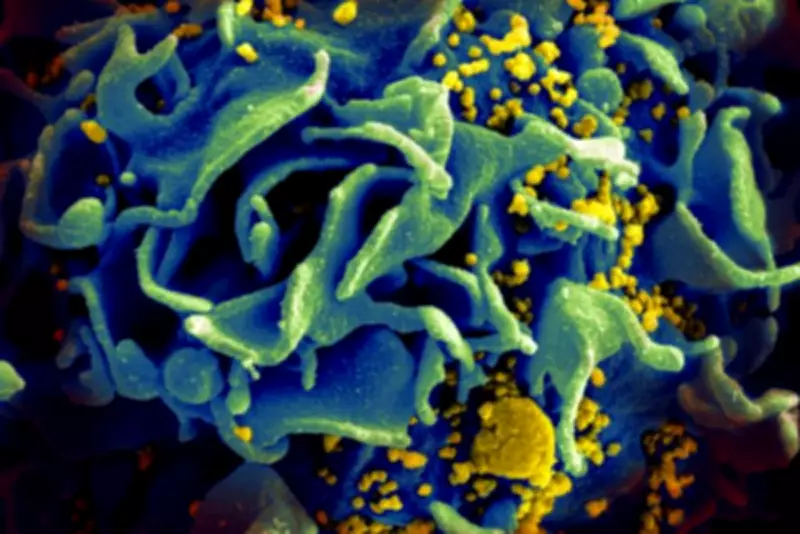
Man ‘Cured’ of HIV After Brother Found to Carry Rare Genetic Mutation: ‘Like Winning Lottery Twice’
A remarkable medical breakthrough has emerged from Oslo, where a 64-year-old man has been in sustained HIV remission for the past five years following a stem cell transplant from his brother, who carries a rare genetic mutation that confers resistance to the virus. This case, detailed in a study published in Nature Microbiology, represents what could be only the tenth documented instance of a person being cured of HIV globally.
The Science Behind the Cure
HIV infections are notoriously persistent because the virus can hide in pockets of cells across various tissues, even when antiretroviral therapy effectively suppresses it. This latent reservoir often causes the virus to rebound when treatment is stopped. However, previous research has indicated that remission might be achievable through stem cell transplantation from a donor with a specific mutation known as CCR5Δ32/Δ32.
This mutation removes the receptor proteins that HIV typically uses to infect cells, effectively blocking the virus's entry. In the Oslo case, the patient, diagnosed with HIV in 2006 at age 44, received a stem cell transplant from his sibling to treat bone marrow cancer. Crucially, his brother happened to possess the CCR5Δ32/Δ32 mutation.

Detailed Analysis and Findings
After the transplant, the donor's cells gradually replaced the patient's immune cells in the blood, bone marrow, and gut tissues. Antiretroviral medication was discontinued 24 months post-transplant, and subsequent tissue samples taken two years later showed no HIV DNA integrated into the host DNA.
A comprehensive analysis of over 65 million immune system cells from the patient revealed no virus capable of multiplying and no detectable HIV-specific T-cell responses. Additionally, HIV antibody levels declined steadily over four years following the transplantation.
"Replication-competent virus and HIV-specific T cell responses were absent, and HIV antibody responses showed a gradual decline," the researchers noted in their study. They further explained that "the absence of HIV-specific T cell responses in our data supports the hypothesis that such an absence correlates with sustained HIV remission."
Rarity and Implications
Clinicians involved in the study emphasize that this cure is an extraordinary scenario unlikely to be replicated widely. "A sibling has a 25 per cent probability of being a match for a transplant, and the frequency of CCR5Δ32/Δ32 is around 1 per cent in northern European populations," explained study co-author Anders Eivind Myhre from Oslo University.
Another author, Marius Trøseid, highlighted the patient's perspective, telling Live Science: "He feels like he has won the lottery twice ... He was cured of his bone marrow disease, which could be fatal, and he's also now cured of HIV, most likely."
Future Research and Predictions
While stem cell transplantation is not a practical solution for most people living with HIV due to its risks and rarity, studying such cases provides valuable insights. Researchers believe that receiving donor cells resistant to HIV, combined with full replacement of immune cells across different body parts, may help reduce or eliminate hidden viral reservoirs.
This case underscores the potential for identifying biomarkers or signs that could predict long-term remission in other patients, paving the way for more targeted therapies. As the global medical community continues to explore HIV cure strategies, the Oslo patient's story offers a beacon of hope and a critical data point in the ongoing fight against the virus.