Measles Cases Surge in England as Health Officials Urge School Exclusions
The UK Health Security Agency (UKHSA) has reported a significant surge in measles cases across England, with 235 laboratory-confirmed infections recorded up to March 9, 2026. This represents a sharp increase from earlier in the year, driven primarily by outbreaks in North London and Birmingham.
Rapid Escalation Since January
Measles activity has escalated dramatically since January 2026, according to the UKHSA. The agency noted that an additional 40 cases were recorded in just one week, from March 5 to March 9, indicating a concerning acceleration in transmission. February saw the highest monthly tally with 121 confirmed cases, up from 105 in January, while the first nine days of March reported 9 cases.
The UKHSA cautioned that these figures likely underestimate actual activity due to delays in data reporting.

Regional Outbreak Patterns
Regional patterns reveal stark disparities in infection rates:
- London accounted for approximately 62% of all cases, with 146 individuals infected
- The West Midlands represented 22% of infections
- The North West saw only 5% of cases
Breaking it down by local authority, Enfield recorded the highest figures with 80 cases, followed by Birmingham with 43, and Haringey with 15.
Demographic Impact and School Concerns
The current outbreak has predominantly affected younger populations:
- 71% of infections occurred among primary school pupils aged 10 and below
- 23% were recorded in teenagers and adults aged 15 and above
Health officials are advising parents to consider keeping their children home from school if they've been in close contact with a measles patient to curb further spread. Emma Best, lead of the London Assembly health committee, warned about the "very real risk" of deaths caused by measles.
"Obviously no one wants to see children out of school, but there is a point where it becomes too dangerous for an unvaccinated child to be in that environment," Best stated. "If there is a significant risk where someone could die - which is a very real risk with measles - then we have to consider stronger measures."
Historical Context and Vaccination Importance
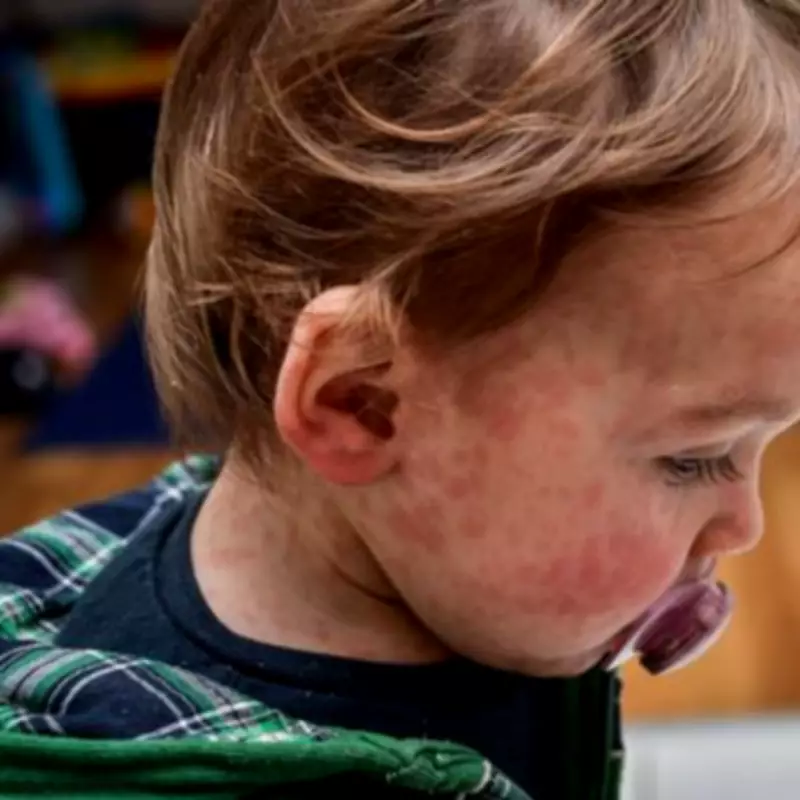
Measles, a Victorian-era disease characterized by flu-like symptoms followed by a distinctive rash, was rampant in the UK during the mid-1900s, with nearly half a million cases and over 1,000 deaths reported annually. Thankfully, no severe measles-related fatalities have been recorded in 2026 so far.
The NHS maintains that the MMR (measles, mumps, and rubella) vaccine, introduced in 1968, remains the most effective defence against contracting the disease. Since its introduction, the vaccine has prevented more deaths than any other inoculation over the last half-century.
Local Authority Responses
Enfield Council issued correspondence to parents in January urging unvaccinated children who had been in close proximity to infected individuals to remain at home for 21 days, aligning with national guidance. Ahead of an emergency session convened by the London Assembly this week, Emma Best advocated for rolling out this approach across other affected areas.
The UKHSA observed that every region has documented at least one confirmed case with symptoms appearing since January 2026, underscoring the widespread nature of the current outbreak.