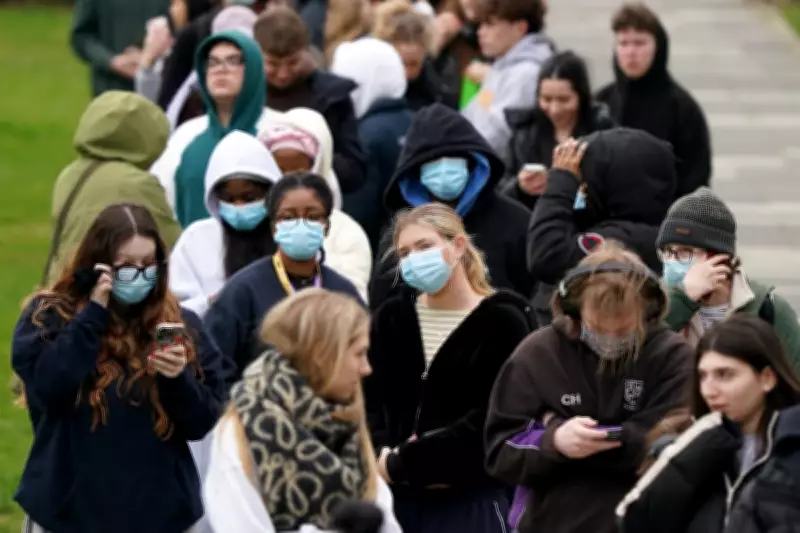
Meningitis B Outbreak in Kent: Student Deaths Trigger Public Health Alert
A serious outbreak of meningitis B has been confirmed in Kent, following the tragic deaths of a school pupil and a university student. The situation is escalating, with a third school now reporting a student hospitalised with the disease. In response, the University of Kent has cancelled upcoming exams as a precautionary measure.
Urgent Public Health Advisory Issued
The UK Health Security Agency (UKHSA) is advising anyone who attended Club Chemistry in Canterbury on March 5, 6, or 7 to come forward for preventative antibiotic treatment. This is described as a "precautionary measure" to contain the spread. Two sites in Kent were opened for public antibiotic collection on Monday, with two additional sites planned to open on Tuesday morning.
Understanding Meningitis and the B Strain
Meningitis is an infection of the protective membranes surrounding the brain and spinal cord, typically caused by bacterial or viral infections. Bacterial meningitis, while rarer, is more severe than its viral counterpart. It can affect anyone but is particularly prevalent among babies, children, teenagers, and young adults. Untreated, it can lead to life-threatening sepsis and permanent neurological damage.

One of the bacteria responsible is meningococcus, which often resides harmlessly in people's throats but can cause serious illness if it enters the bloodstream or spinal fluid. Among the different types, type B—commonly referred to as meningitis B or MenB—is the most common. According to Meningitis Now, MenB is one of the leading causes of meningitis in the UK.
Vaccine Availability and Gaps in Protection
Multiple meningitis vaccines are available in the UK, but there are significant gaps in coverage. The MenB vaccine, which protects against meningococcal group B bacteria, was introduced on the NHS for babies in 2015. It is recommended for infants at eight weeks, with a second dose at 12 weeks and a booster at one year. Other routine childhood vaccines, such as the 6-in-1 and pneumococcal vaccines, also offer some protection against meningitis.
Additionally, the MenACWY vaccine, a single-dose jab protecting against four strains of meningococcal bacteria, was introduced in 2015 and is offered to teenagers in school and university entrants up to age 25. However, the majority of young people born before 2015 are not protected against meningitis B unless they have received the jab privately.
Calls for Expanded Vaccination Access
Meningitis Now has launched a campaign titled "No Plan B for Men B," advocating for NHS vaccination of teenagers and young people against meningitis B. The charity is calling for jabs to be provided to those most at risk and for a booster programme to protect adolescents from 2030. They also argue that MenB vaccines should be available on the high street "at a fair price." Currently, the jab is available privately at approximately £110 per dose, with at least two doses required.
Why Young People Are at Higher Risk
According to Meningitis Now, one in four 15 to 19-year-olds carry meningococcal bacteria in their throats, compared to one in ten in the general UK population. While many carry it harmlessly, it can be transmitted through coughing, sneezing, and kissing. Increased social interaction in this age group facilitates easier spread. University students are particularly vulnerable due to living in cramped housing or halls of residence, and the diverse mix of young people from various regions and countries.
Symptoms and Treatment Protocols
Symptoms of meningitis and sepsis can include:
- A high temperature
- Cold hands and feet
- Vomiting
- Confusion
- Muscle and joint pain
- Pale, mottled, or blotchy skin with spots or a rash
- Headache
- Stiff neck
- Aversion to bright lights
- Excessive sleepiness
- Seizures
Symptoms may appear in any order, and some might not manifest at all.

The NHS recommends hospital treatment for all cases of bacterial meningitis. Treatments include intravenous antibiotics and fluids, oxygen for breathing difficulties, and sometimes steroids to reduce brain swelling. Hospital stays can range from a few days to weeks. For mild viral meningitis, patients may be sent home if tests confirm the viral nature, as it often resolves on its own within seven to ten days, though severe cases may still require hospital care.