Meningitis B Strain Confirmed in Deadly Kent Outbreak Investigation
The UK Health Security Agency (UKHSA) has launched a critical investigation into a meningitis outbreak in Kent, with 13 confirmed cases reported since 13 March, including two tragic fatalities. Medical authorities have identified the Meningitis B strain as responsible for some of these cases, heightening concerns about the spread of this serious bacterial infection.
Nightclub Exposure Site and Public Health Alert
Health officials have pinpointed Club Chemistry in Canterbury as a significant exposure location, advising anyone who visited the venue on 5, 6, or 7 March to seek immediate preventative antibiotic treatment. The nightclub's owner, Louise Jones-Roberts, revealed that over 2,000 people attended the club on those dates, all of whom now require tracing for antibiotic administration. One staff member at Club Chemistry has been confirmed to have meningitis, prompting the establishment to close indefinitely until further notice.
University and School Communities Impacted
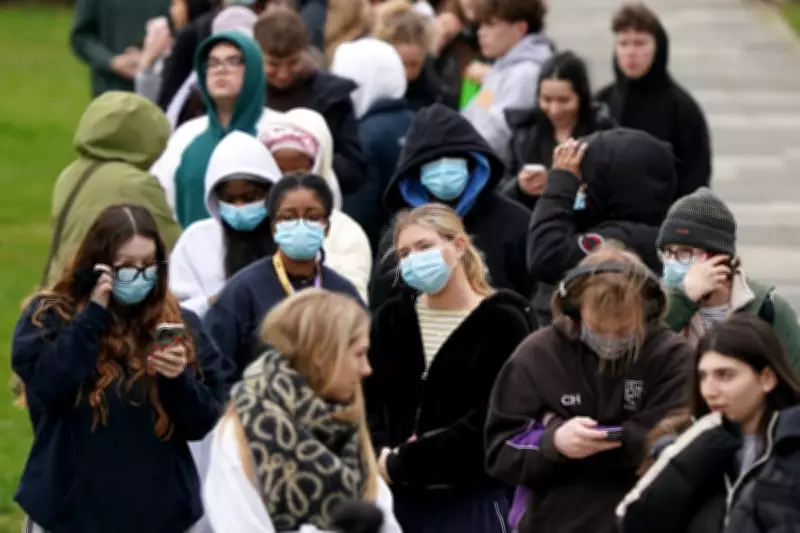
The outbreak has particularly affected educational institutions in the region. A Year 13 pupil from Faversham and a University of Kent student have died as a result of the infection, sending shockwaves through local communities. In response, the UKHSA has issued specific guidance to approximately 16,000 staff and students at the University of Kent, where antibiotics are being proactively offered to mitigate further transmission.

Public Health Response and Preventative Measures
The UKHSA is coordinating a comprehensive public health response, emphasising the urgency for those potentially exposed to come forward for treatment. Preventative antibiotics are crucial in containing the outbreak, as meningitis B can progress rapidly with severe consequences. The agency continues to monitor the situation closely, working with local healthcare providers to ensure accessible treatment options and public awareness campaigns.
This developing situation underscores the importance of swift medical intervention and community vigilance in managing infectious disease outbreaks.