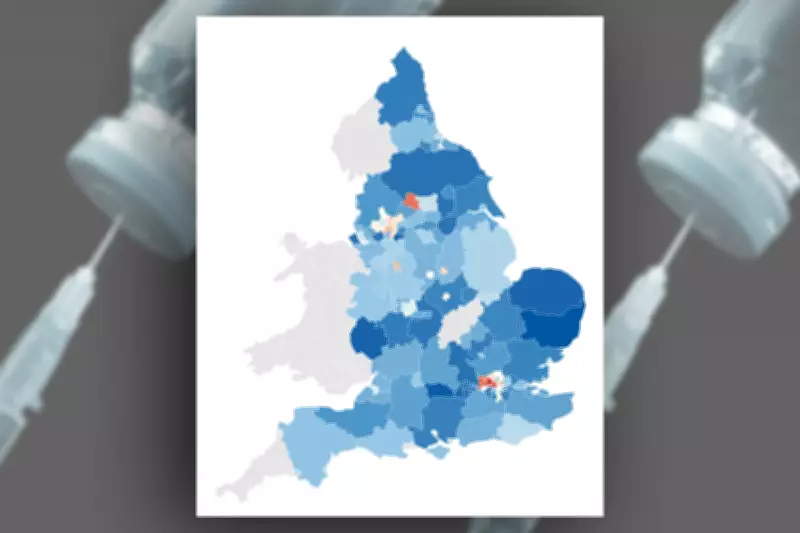
Meningitis B Vaccination Rates Show Stark Regional Disparities Across England
Vaccination coverage against the primary causes of meningitis varies dramatically across England, according to a detailed analysis of government data. This revelation comes as health authorities issue urgent calls for parents to ensure their children are fully immunised, following a tragic outbreak in Kent that has resulted in two fatalities.
Kent Outbreak Spurs Surge in Vaccine Demand
The UK Health Security Agency (UKHSA) has confirmed that a strain of meningitis B (menB) is responsible for the recent outbreak in the Canterbury area. An 18-year-old pupil named Juliette and a 21-year-old university student have died, with an additional 11 individuals hospitalised. In response, pharmacies in Kent are reporting shortages of the menB vaccine due to a sudden spike in demand.
Currently, two vaccines are available to protect against meningitis. The menB vaccine has been part of the routine immunisation schedule for babies since 2015, administered at eight weeks, 16 weeks, and one year of age. Consequently, many university students today did not receive this vaccine as infants. Meanwhile, the menACWY vaccine, which guards against four other strains, is offered to teenagers in Year 9.

Analysis Reveals Significant Uptake Variations
Latest annual data from the UKHSA for the 2024/25 period indicates that menB coverage for one-year-olds has increased slightly to 91 per cent, up from 90.6 per cent in 2023/24. However, this figure remains below the pre-pandemic peak of 92.5 per cent recorded in 2019/20. Similarly, coverage for the menACWY vaccine stands at 73 per cent in 2023/24, a notable decline from 87 per cent in 2019/20.
A local authority-level analysis conducted during the 2024/25 academic year highlights substantial regional differences. Coverage for the menACWY vaccine among Year 10 students is lowest in London at 65 per cent, compared to the highest rate of 83 per cent in the East of England. For the two-dose menB vaccination by 12 months of age, uptake between July and September last year ranged from as low as 63 per cent in Hackney, east London, to as high as 97 per cent in North Tyneside and the East Riding of Yorkshire.
Expert Insights and Public Health Challenges
Professor Paul Hunter, a medicine expert at the University of Anglia, emphasised that vaccination coverage poses a significant challenge for the government. He cited various factors contributing to low uptake in certain areas, including language barriers, cultural differences, and distrust of authorities.
In 2024/25, there were 378 cases of invasive meningococcal disease, a serious bacterial infection, with 82 per cent caused by menB. Dr Gayatri Amirthalingam from the UKHSA described the Kent outbreak as "unusual" but reassured the public that there is no evidence of wider spread at present. She stressed the importance of vigilance and prompt treatment, noting that while rare, meningococcal disease can be severe and devastating.
Calls for Expanded Vaccination Programmes
In light of the Kent deaths, charity Meningitis Now has advocated for teenagers and young people to receive the menB vaccine on the NHS, particularly those born before 2015 who missed out on the routine immunisation. Former health minister Helen Whately, Conservative MP for Faversham and Mid Kent, echoed this sentiment, suggesting a "catch-up" vaccination campaign for young people.
Dr Leyla Hannbeck, CEO of the Independent Pharmacies Association, reported that pharmacies in Kent are experiencing stock shortages due to increased demand for private menB vaccinations. She has called on the NHS to urgently commission pharmacies to deliver a targeted catch-up programme for university students and teenagers born prior to 2015.
The government has previously stated that the menB vaccine is not cost-effective for adolescents on the NHS. However, the current outbreak and rising public concern may prompt a reevaluation of this stance as health officials continue to monitor the situation closely.