UK Meningitis Outbreak Investigated After Two Deaths and 13 Cases
The UK Health Security Agency (UKHSA) is investigating a serious meningitis outbreak that has resulted in two deaths and 13 confirmed cases since March 13. This outbreak, centered in Canterbury, Kent, is being described by experts as the worst to hit the United Kingdom in at least ten years.
Outbreak Details and Public Health Response
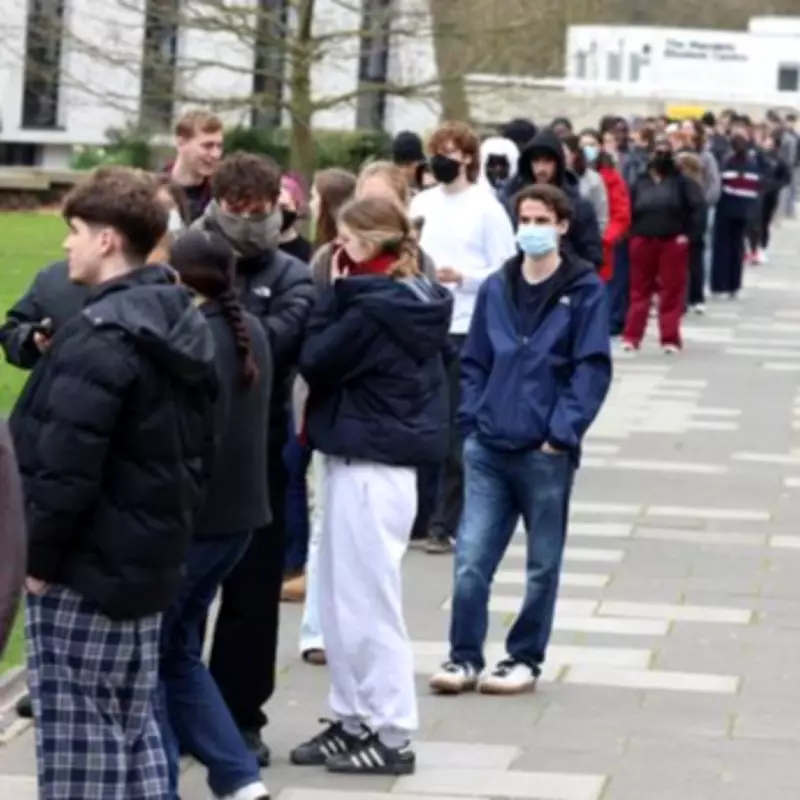
One doctor characterized the pattern as "very focused and affecting a lot of people", with thousands of students in the area seeking precautionary antibiotics. The UKHSA has advised anyone who recently attended events at Club Chemistry, a nightclub in Canterbury, to take these antibiotics as a preventive measure.
Rob Galloway, an emergency medicine consultant at University Hospitals Sussex in Brighton, emphasized that students in shared accommodation can take specific steps to prevent the spread of meningococcal bacteria. "The infection is spread via saliva and droplets, so it can be transmitted via shared utensils, cutlery, cups and even toothbrushes," he explained, advising students to use their own items and maintain clean surfaces.

Vaccination Rates and Vulnerability of Students
Andrew Preston, a professor of microbial pathogenicity at the University of Bath, highlighted an alarming drop in meningitis vaccine uptake among teenagers as a potential factor. He described the outbreak as "extremely dangerous" and noted, "We haven't seen anything on this scale for many years."
Professor Preston stressed that first-year university students appear most vulnerable due to their social habits. "They typically party together and have more social interaction than other younger age groups," he said. While up to 20% of the general population carries the bacteria, this rises to one in four young adults aged 15 to 19.
Confirmed Fatalities and Symptoms to Watch For
The outbreak has claimed two young lives. The University of Kent confirmed a student died from meningitis in the area. Separately, Juliette, an 18-year-old sixth form student from Faversham, Kent, also passed away. She was remembered in tributes as "incredibly kind, thoughtful and intelligent".
Experts urge vigilance for symptoms, even among vaccinated individuals. Professor Galloway warned, "Having the meningitis vaccine does not completely rule out meningitis. The vaccines protect against some causes, but not all." Key symptoms include:
- Fever and confusion
- Muscle and joint pain
- Coughs and sneezes
- Later development of spots or a rash (a sign sepsis may be developing)
He stressed that acting quickly is vital and advised not to wait for the telltale red rash that does not fade under pressure.
Protective Measures for Students and Parents
Masks: Because the bacteria spreads through airborne droplets, wearing a mask can reduce transmission risk. Professor Galloway suggested it may be sensible in crowded areas like the University of Kent campus, though not necessary everywhere.
Vaccination: The ACWY vaccine protects against four bacterial groups (A, C, W, Y) and is offered to 14-year-olds and those up to 25 who haven't had a meningitis C vaccine. Professor Preston noted uptake is around 73% among adolescents, leaving many unvaccinated and reducing herd immunity.
Meningitis B is the most common bacterial cause in the UK. While a vaccine exists, the NHS only offers it to babies and those with specific medical conditions. Otherwise, it is available privately at clinics and pharmacies like Boots and Superdrug for up to £200 for a two-dose course.
Parents and students nationwide are advised to stay informed, practice good hygiene, and seek immediate medical attention if symptoms arise.