An NHS doctor has issued essential guidance for women who believe their painful symptoms are being overlooked or ignored during GP consultations, outlining practical steps to ensure their health concerns are taken seriously.
The Challenge of Being Heard
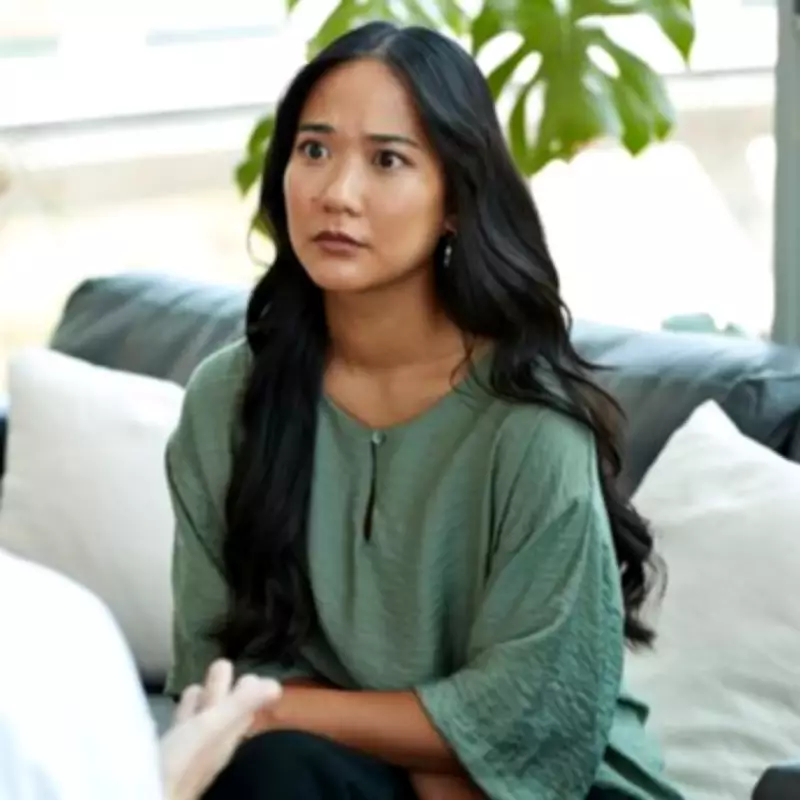
Many women report feeling dismissed when they visit their GP, particularly when discussing symptoms such as low mood, persistent fatigue, or unexplained body aches. These issues are often hastily attributed to menstrual cycles, leaving patients frustrated and unheard.
This problem is especially pronounced for those seeking diagnoses of reproductive conditions like endometriosis or polycystic ovary syndrome (PCOS). The experience can feel like a lottery, with some patients fortunate to encounter doctors who promptly order tests, while others struggle with practitioners who seem inattentive.

Doctor Raj Arora's Expert Recommendations
During an episode of the Well Enough podcast, NHS GP Dr. Raj Arora emphasized that women should not hesitate to advocate for themselves. Her primary advice is to "push" for proper attention and care.
In a clip shared on Instagram, Dr. Arora explained that if a patient feels their GP is not listening, they should request a second opinion from another doctor within the same surgery. She stated, "If you ever feel like you're not being listened to, please, please, push. Ask for a second opinion. Even if it's the same GP surgery, go and see a different GP. Just say, 'I want to see somebody different, or somebody with a women's health specialism'. That's the first thing."
The Power of a Symptom Diary
Dr. Arora also highlighted the effectiveness of maintaining a symptom diary. This tool helps patients communicate their experiences clearly and comprehensively during appointments, especially when symptoms are cyclical and might be forgotten over time.
She advised, "Secondly, if you've got symptoms, keep a symptom diary. When you go to see your GP, you've got something in hand ready to say, 'This is what's happening every single month. These are how long my periods last, this is how much pain I'm having'. Keep all your symptoms [written] down. Your flow, how many pads you're using, so you've got all that information to hand when you see your GP."
Given that NHS GP appointments can involve waits of three to four weeks for routine slots, having detailed records ensures no critical information is missed, facilitating more productive consultations.
Positive Reception and Practical Impact
Commenters on the Instagram video expressed gratitude for Dr. Arora's suggestions, with many noting they had never considered keeping a symptom diary before. One individual remarked, "Symptoms diary is such a good idea. Never thought about it. Thank you for sharing," while another added, "Such great advice, thank you!"
When to Seek Medical Attention
It is crucial to consult a GP if period-related issues significantly impact daily life. While symptoms like painful or heavy periods can be common, they may also indicate underlying conditions such as endometriosis or PCOS.
The NHS website specifies that medical advice should be sought if:
- Period pains are severe enough to disrupt daily activities.
- Periods are excessively heavy, defined as:
- Needing to change pads or tampons every one to two hours.
- Requiring more frequent emptying of a menstrual cup than recommended.
- Needing to use two types of period products simultaneously, like a pad and a tampon.
For further information on managing period problems, individuals are encouraged to visit the official NHS website for reliable resources and support.