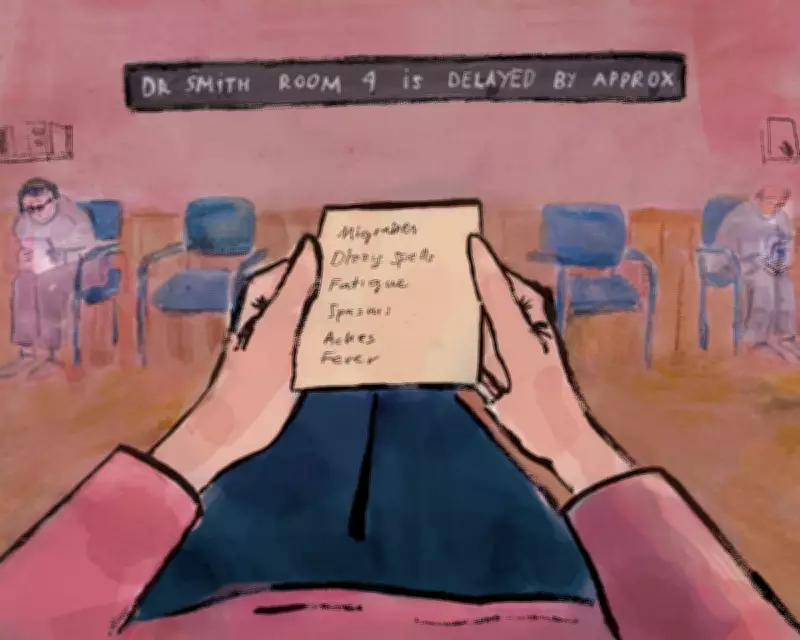
NHS Patients Should Write Their Own Medical Records, Ending Post-it Note Culture
For patients battling complex health conditions like cancer, the current reliance on Post-it notes to track symptoms and concerns during medical appointments is both inadequate and stressful. Many individuals, including the author's mother, meticulously prepare lists of bullet-pointed symptoms only to fear they have forgotten crucial details during consultations. This communication gap highlights a systemic failure in the NHS's approach to patient involvement in their own care.
The Problem with Post-it Notes
Patients often spend anxious car rides home worrying about omissions that could impact their treatment. With appointment waits sometimes exceeding a year, these handwritten notes must convey every medical change since the initial referral, a nearly impossible task. A 2025 Healthwatch England study revealed that 23% of patients noticed inaccuracies in their NHS records, with 83% reporting negative impacts from these errors. As AI increasingly trains on patient data to enhance NHS efficiency, record accuracy becomes paramount to safeguard outcomes.
Learning from US Innovations
The United States offers promising models. OurNotes allows patients to co-author medical records by submitting pre-appointment agendas and interim histories. In a study across 74 clinics, 97% of doctors praised agendas as a good idea, and 35% reported time savings, suggesting such systems need not burden an overwhelmed NHS. However, this does not address post-appointment concerns, especially given that doctors interrupt patients on average after just 11 seconds, limiting voice during consultations.

Coroners have repeatedly warned of patient deaths due to poor information sharing between NHS professionals, a result of fragmented systems. The failed £10bn National Programme for IT aimed to create a unified record but became a costly fiasco. Current proposals, like Wes Streeting's patient passports or the NHS Spine's digitisation efforts, focus on staff communications but often marginalise patients, with valid concerns about data security and privacy.
A Solution Inspired by Intelligence Sharing
After 9/11, the US intelligence community developed Intellipedia, a secure, wiki-style platform for agencies to share top-secret information across separate systems. Celebrating its 20th anniversary, it demonstrates how established technology can coexist with diverse bureaucracies without the pitfalls of monolithic programs like NPfIT.
An NHS Intellipedia could provide a centralised, secure repository for patients and professionals to upload notes collaboratively. This would empower millions, including those with chronic conditions, to have a proper voice in their treatment. Initiatives like Cancer 360, which centralises cancer patient data, are steps forward but still overlook patients arriving with Post-it notes.
By adopting such innovative approaches, the NHS can end the Post-it note culture, ensuring patients are no longer denied authorship in their own care plans. This shift is crucial as public satisfaction hits record lows, emphasising that digitisation must not come at the expense of patient voices.